


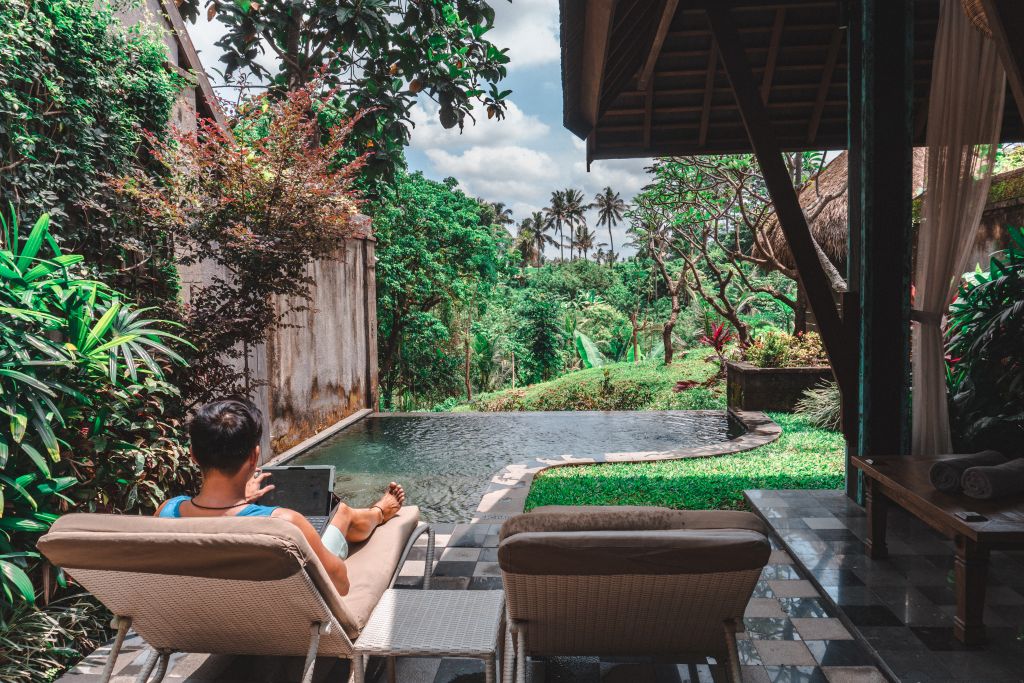

Southeast Asia has become something of a rite of passage for digital nomads — and for good reason. The region offers a near-perfect blend of affordability, natural beauty, cultural richness, and digital infrastructure. Whether you’re building a business or freelancing from a hammock, Southeast Asia delivers an unmatched balance of work and play.

If you’re plotting your next remote chapter, here are five top destinations in the region that deserve your attention — and a small tech tip that’s made my own nomad life far smoother: using an eSIM to stay connected across borders.
1. Canggu, Bali – Indonesia
Canggu is a digital nomad classic. On Bali’s west coast, it’s where surfers, creatives, and remote entrepreneurs come together in an energetic mix of tropical vibes and productivity. Think yoga at sunrise, coworking by noon, beach bars by sunset.
Coworking spaces like Dojo, BWork, and Outpost offer fast internet, inspiring environments, and a steady stream of networking events. The social scene is big — expect meetups, workshops, and wellness retreats all in the same week.
Add in boutique villas, world-class cafés, and surf breaks steps from your door, and it’s no wonder many nomads come for a month… and stay a year.
2. Chiang Mai – Thailand
Tucked into the mountains of northern Thailand, Chiang Mai has long been known as the digital nomad capital of Asia. It’s affordable, culturally rich, and filled with cafés that seem made for productivity.
Living here is easy on the wallet — you can rent a modern studio for a few hundred dollars a month, eat delicious street food for under $3, and enjoy a peaceful, slower pace of life. Coworking hubs like Punspace, Yellow, and Alt_ChiangMai create space for both deep work and community.
Between weekend hikes, cooking classes, and temple visits, Chiang Mai offers a fulfilling lifestyle that’s hard to beat.
3. Da Nang – Vietnam
Da Nang is where city convenience meets coastal calm. Located on Vietnam’s central coast, it’s a growing favorite for nomads who want solid infrastructure, great food, and beach views — all without the chaos of larger cities.

You’ll find reliable coworking spaces like Enouvo Space and IoT Coworking, a chill expat community, and plenty of laptop-friendly cafés. After work, it’s easy to unwind with a swim at My Khe Beach, a scooter ride along the Hai Van Pass, or a bowl of steaming pho at a local stall.
It’s affordable, it’s friendly, and it still feels like a bit of a hidden gem — for now.
4. Penang – Malaysia
If you’re looking for somewhere low-key with deep culture and phenomenal food, Penang is your spot. The island — especially George Town — is a melting pot of Malay, Chinese, and Indian influences. Think colonial architecture, mural-covered alleys, and sizzling night markets.

It’s also incredibly practical. English is widely spoken, internet speeds are solid, and visa runs are relatively painless. Coworking spaces like @CAT Penang offer a good base for productivity, while the pace of life lets you truly settle in.
Penang may not have the buzz of Bali or Chiang Mai, but it has depth, history, and authenticity in spades — and that counts for a lot.
5. Siargao – Philippines
Siargao is the kind of place that gets under your skin. Known as the surfing capital of the Philippines, this island paradise is now attracting a different kind of wave: digital nomads looking for connection, creativity, and calm.
The vibe here is pure island living — motorbikes, palm trees, and days that flow with the tide. Internet is good enough for remote work (though not fiber-fast), and cafés like White Beard Coffee, Kook Café, and community hubs offer just enough structure for productive days.
But Siargao is less about hustle, more about harmony. You’ll meet writers, artists, and entrepreneurs all chasing balance — with nature, with work, with themselves. If you’re craving inspiration, this island delivers.
One Simple Hack for Staying Connected Across Borders
Here’s something most nomads won’t post about: the hassle of getting connected in every new country. Landing at a new airport only to realize your SIM card doesn’t work, or worse — wandering around trying to find a phone shop before you can even call your ride or check into your Airbnb.
That’s why I started using an eSIM, and it’s honestly one of the smartest travel decisions I’ve made.
You can download one from an app in minutes, choose a data plan (local or regional), and you’re online as soon as you land. No fumbling with SIM ejectors. No switching numbers. No standing in a convenience store trying to Google Translate a prepaid plan.
It’s a small thing, but when you’re constantly on the move, the convenience is everything. Staying connected — instantly and effortlessly — helps you stay focused on what really matters: doing great work and living fully wherever you are.