

Saudi Arabia had been on my mental travel map for years, but always as a place I assumed I would never actually visit. For most of my life, the Kingdom felt closed, inaccessible, and deliberately off-limits to tourists. That perception wasn’t entirely wrong. Until very recently, Saudi Arabia simply wasn’t interested in welcoming travelers who weren’t pilgrims or expatriate workers. Then, almost overnight, that changed.
In just a few short years, Saudi Arabia has gone from one of the world’s most difficult countries to visit to one of its most intriguing new destinations. With tourist visas now available on arrival for many nationalities, a rapidly expanding tourism infrastructure, and a clear ambition to reshape its global image, the country is opening itself up at an extraordinary pace. What drew me in wasn’t just curiosity, but the chance to see a nation in the middle of a genuine transformation.
This trip was designed as a first introduction to Saudi Arabia rather than an attempt to see everything. Over nine days, I traveled through three very different faces of the Kingdom: Jeddah, the historic and cosmopolitan gateway on the Red Sea; Al’Ula, an ancient desert landscape now emerging as one of the Middle East’s most striking cultural destinations; and Riyadh, the ambitious capital where Saudi Arabia’s future is being built at full speed. Together, these stops offered a surprisingly balanced picture of the country’s past, present, and future.
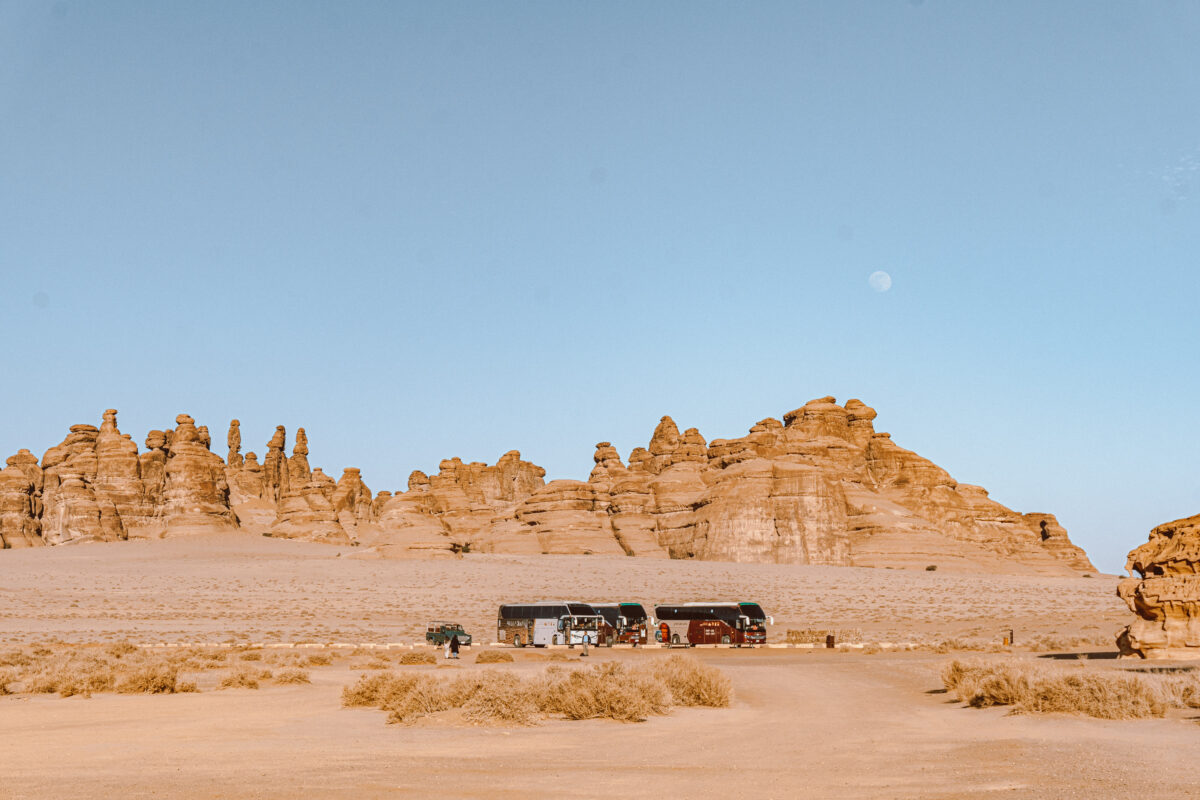
If these stops sound like something you’re interested in, then this is the itinerary for you. Prepare for countless photos, detailed recounts of my adventures, and plenty of tips to help you plan your trip!
Saudi’s renaissance and opening
Saudi Arabia opened its doors for tourism in September of 2019. Prior to 2019, Saudi Arabia was one of those countries that I always viewed as a no chance, no way to visit country. The few times I looked into visiting Saudi Arabia, I pretty much came away from it with the notion that Saudi Arabia simply did not want tourists. I knew foreigners could obtain work visas to work in Saudi but as far as tourism goes, the mentality was simply “we don’t want you here”.
Fast forward to 2019, Saudi opened its doors to the world. The ruling monarchy must have deduced that living off oil for the next generations was not sustainable and diversifying their economy was a priority.
Fast forward a few years later, and it’s truly remarkable just how fast and furious the cultural shift has been in Saudi Arabia. A country with almost no possibility for a tourist to visit now offers Visas on arrival for many nationalities in the span of a few years.
My impression of tourism in Saudi Arabia
Prior to Saudi opening, I had always pictured Saudi to be an ultra conservative Muslim country where women could do very little in their day to day life, men dressed very conservatively, and really there was no room for mistakes. Perhaps this was Western media sensationalism working its way into my life but nevertheless, this was my perception of the country.
As the country opened up, I quickly saw stories and read blogs about what Saudi Arabia was truly like from a foreign perspective. After visiting the country for myself, I can safely say that whatever cultural stereotypes Saudi Arabia had in the past is certainly not representative of the Saudi Arabia I saw.
For starters, the people in Saudi Arabia are incredible warm and inviting. The Middle East is famous for its hospitality and Saudi Arabia was a shining example of that hospitality.
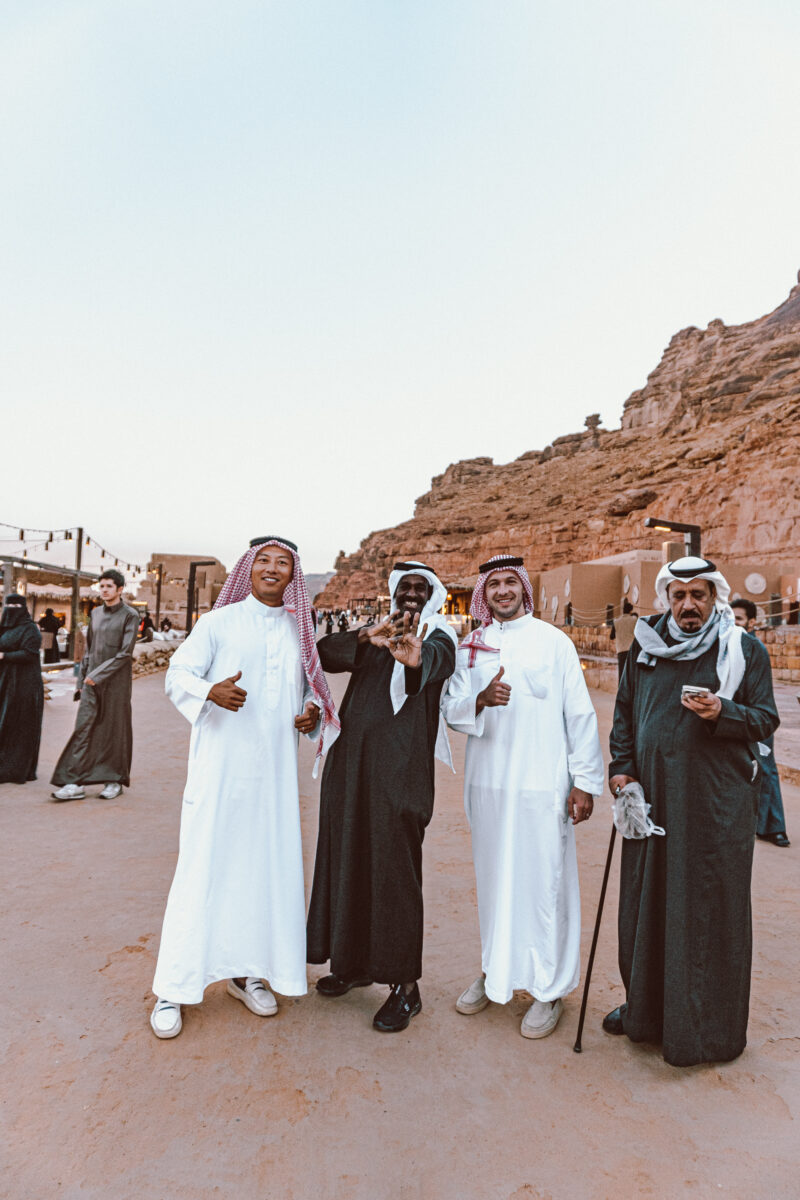
Countless strangers on the street would ask me how I like Saudi and say “Welcome to Saudi”. Even the people at airports and train stations who would normally annoy me simply asked if I needed a ride and when I said no, they would say “Welcome to Saudi!”
Compared to other Middle Eastern countries I’ve visited, Saudi tourism was new but exciting. They are shaping their tourism in a more elegant and thoughtful way. From the building architecture to the smell of the streets, everything simply feels a bit more premium. Dubai is one of Saudi’s benchmarks but the country has infinite amount more culture and history to offer than the Emirates.
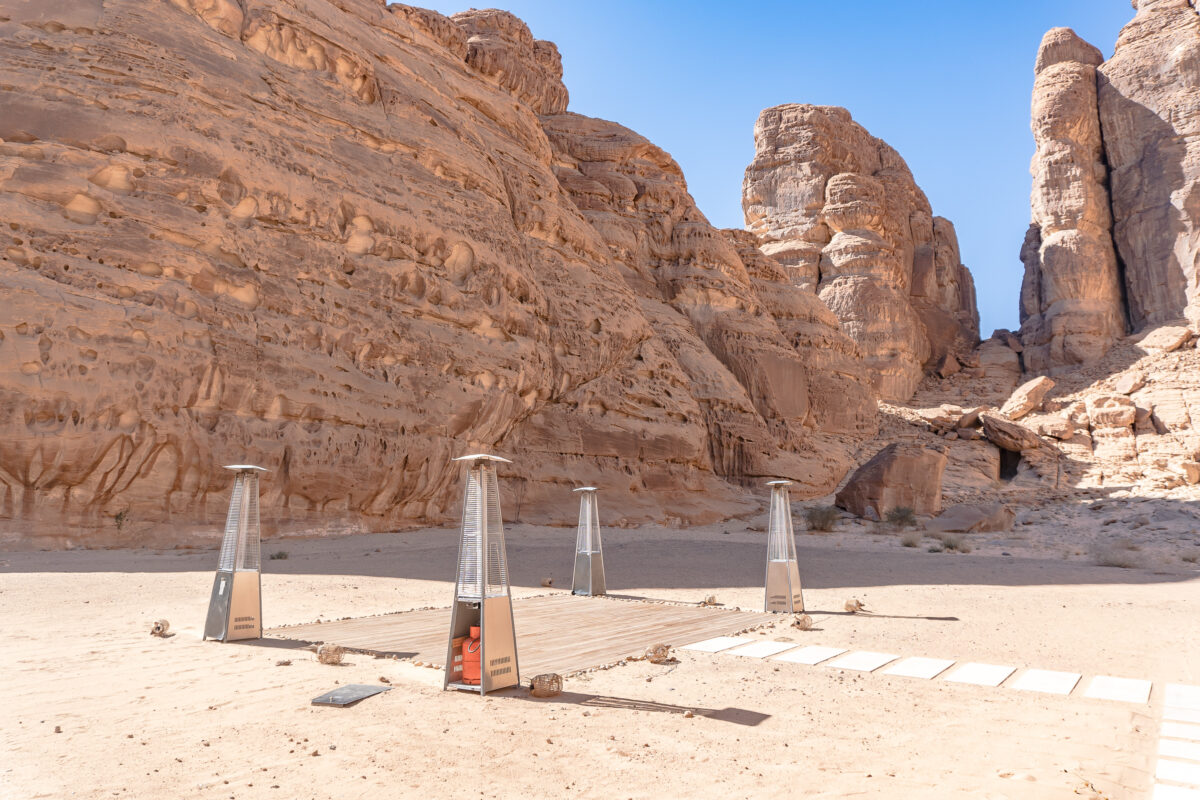
What is the dress code in Saudi Arabia?
The days of foreign women needing to cover up are over. I found that there is no dress code to worry about in Saudi Arabia for foreign women. In fact, even among local women, I felt like anything from a traditional niqab to regular clothes with no hijab was ok. While the majority of Saudi women wore niqabs and abayas, it didn’t seem like there was any enforcement.
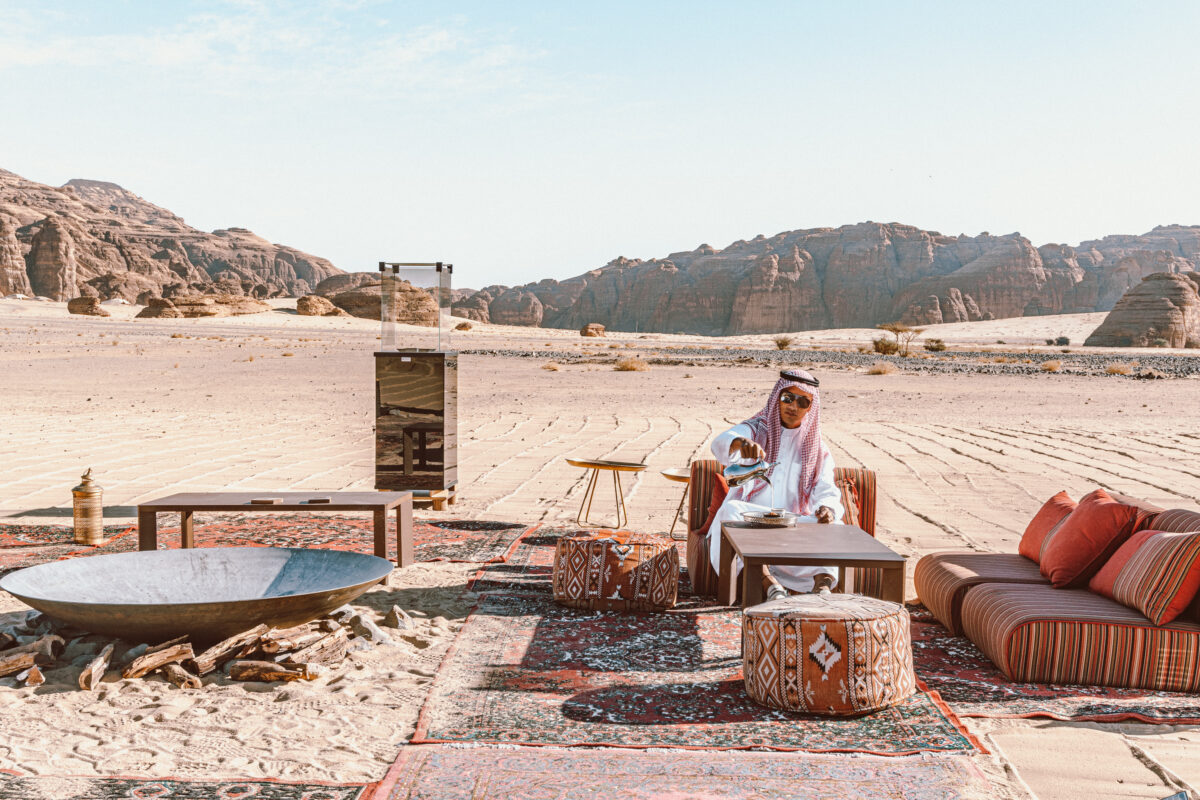
What should women wear?
Of course, you should not be wearing tight short shorts that show your butt but this might be the case in many other countries around the world. Simply, if you dress conservatively (jeans, t-shirt, looser shorts), you will be fine. My partner wore everything from tighter jeans and a t-shirt to a full length form fitting dress. I never once felt uncomfortable at any situation.
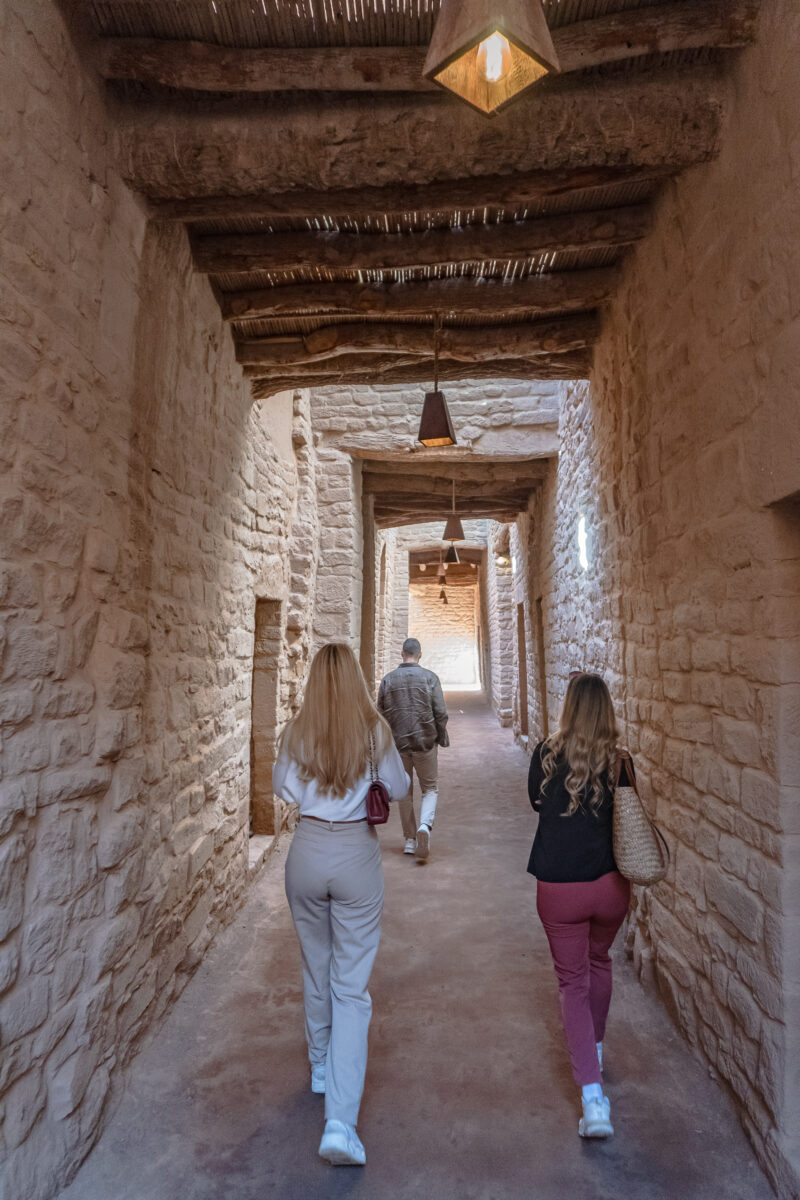
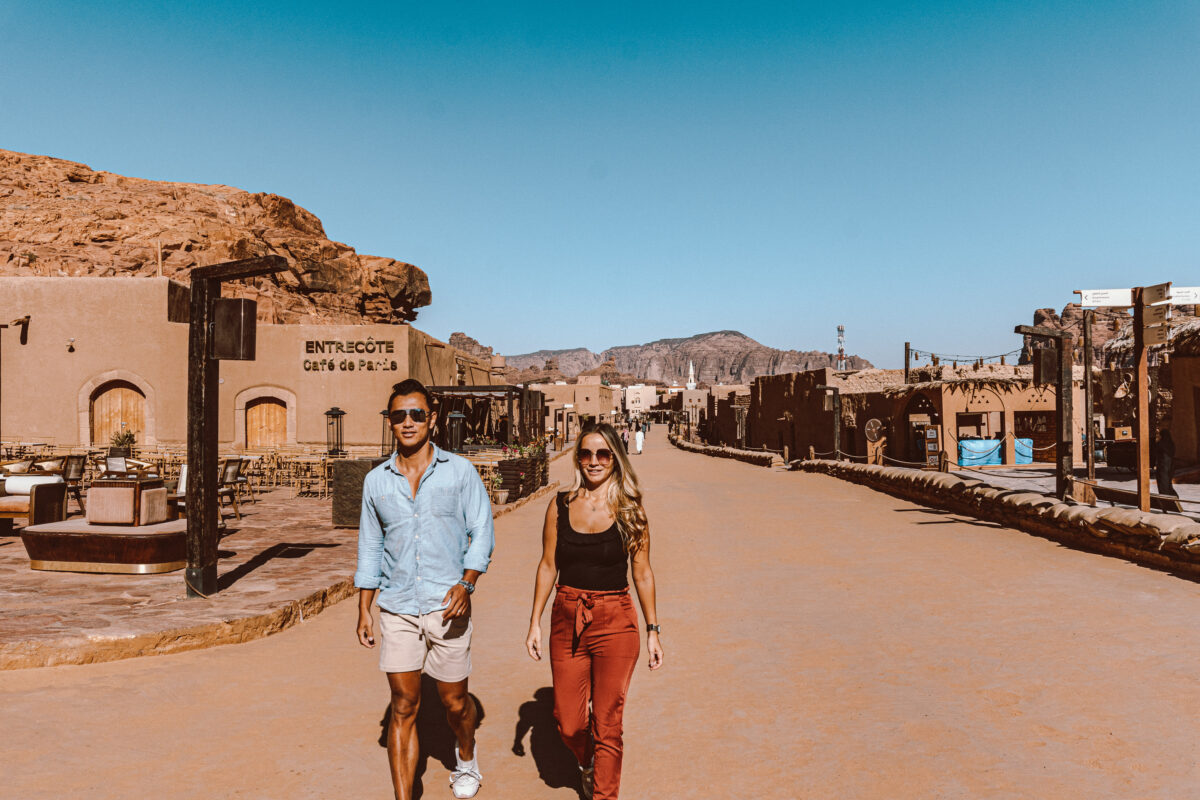
In tourist hotspots like Alula, the dress is even more liberal. Women can wear clothes they might not otherwise consider appropriate in cities like Jeddah and Riyadh.
All in all, I really was shocked at just how open the country has become in what they deem as acceptable. Saudi’s tourism push either forced people to change their views or they were long ready for the change and were just waiting for the Government to flip the switch. The country has an aggressive Saudi 2030 vision and completely changing its traditional conservative culture seems to be one of the top agenda items.
What should men wear?
For men, the dress code is usually pants and a shirt. However, I wore shorts above my knees on numerous occasions and no one batted an eye. Normally, I would wear tank tops and sleeveless shirts for the heat but I think this might be a stretch too far. As I visited in the winter months, it was not hot so t-shirts, and long sleeve shirts were my go to.
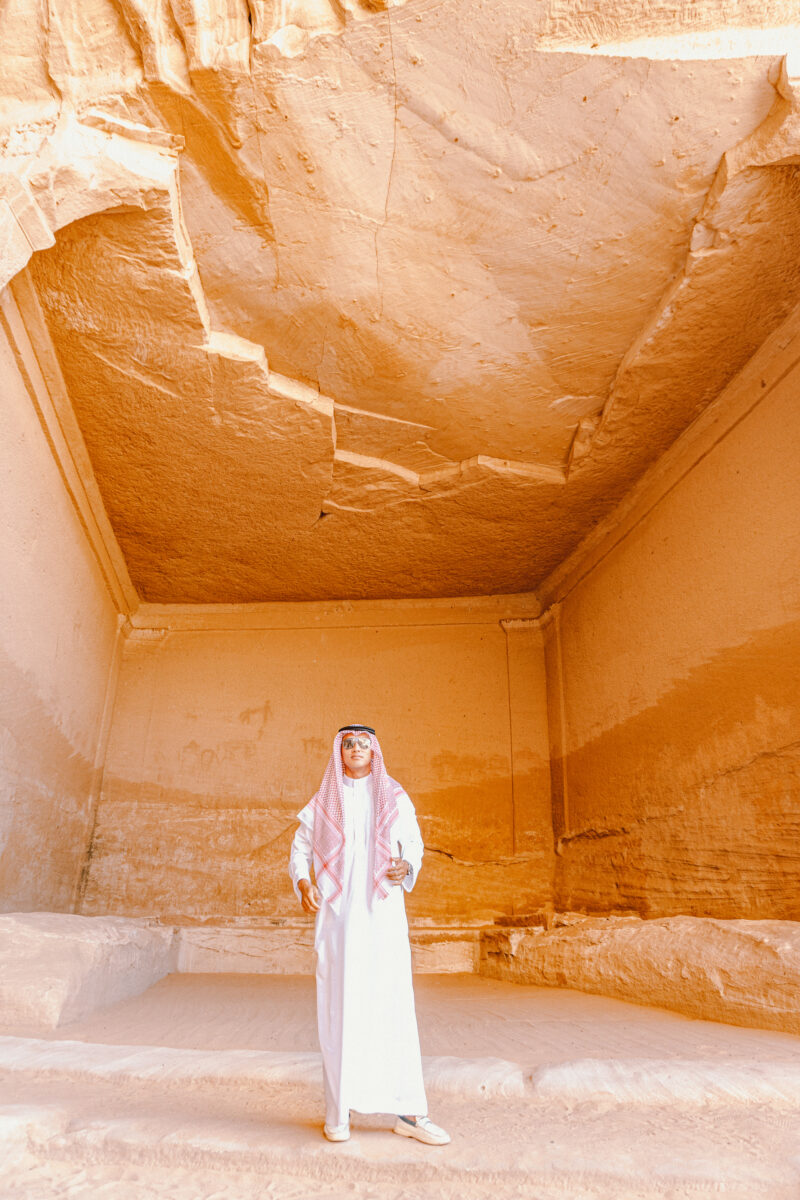
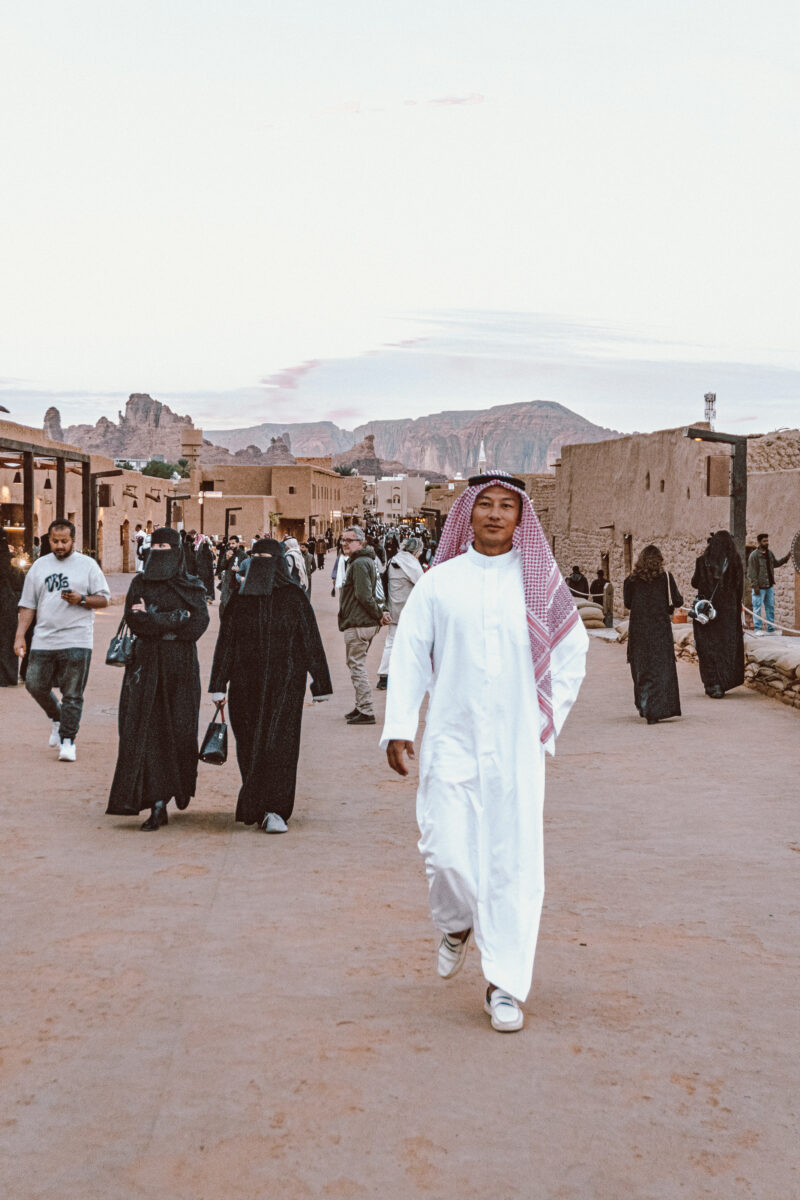
I purchased a traditional outfit in Jeddah (thobe, shemagh, and agal) as I’ve always found Arab attire to be interesting. I thought it might have been cultural appropriation but this could not be further from the truth. Every man and woman on the street loved that I was wearing the traditional Saudi outfit. Countless others stopped me on the street to take photos. I wouldn’t be surprised if I went viral on Saudi social media!
Not only was it an amazing experience to talk to countless locals simply through my closet choices, the outfit was surprisingly comfortable and warm for the cold nights.
Can women travel solo to Saudi Arabia?
Any outdated notions of females needing male chaperones in Saudi Arabia needs to be eradicated immediately. This might have been the case once upon a time, but it certainly is not the case in modern Saudi Arabia.
Solo female travelers are absolutely fine in the country. I met quite a few solo female travelers and you will not have any issue. In fact, I think Saudi is better than many of the other destinations as it is one of the safest place on Earth.
You will not need to wear an abaya and will be allowed in all the sites as long as you wear modest clothing (long pants and a t-shirt). No one will harass you or tell you what to wear. Frankly, people have better things to do in Saudi Arabia than to police you as a tourist.
Getting around in Saudi Arabia
Saudi Arabia is well connected by plane, car, and train. Getting around Saudi Arabia was quite easy but you should definitely book things in advance given the tourist infrastructure is only starting.
By train in Saudi Arabia
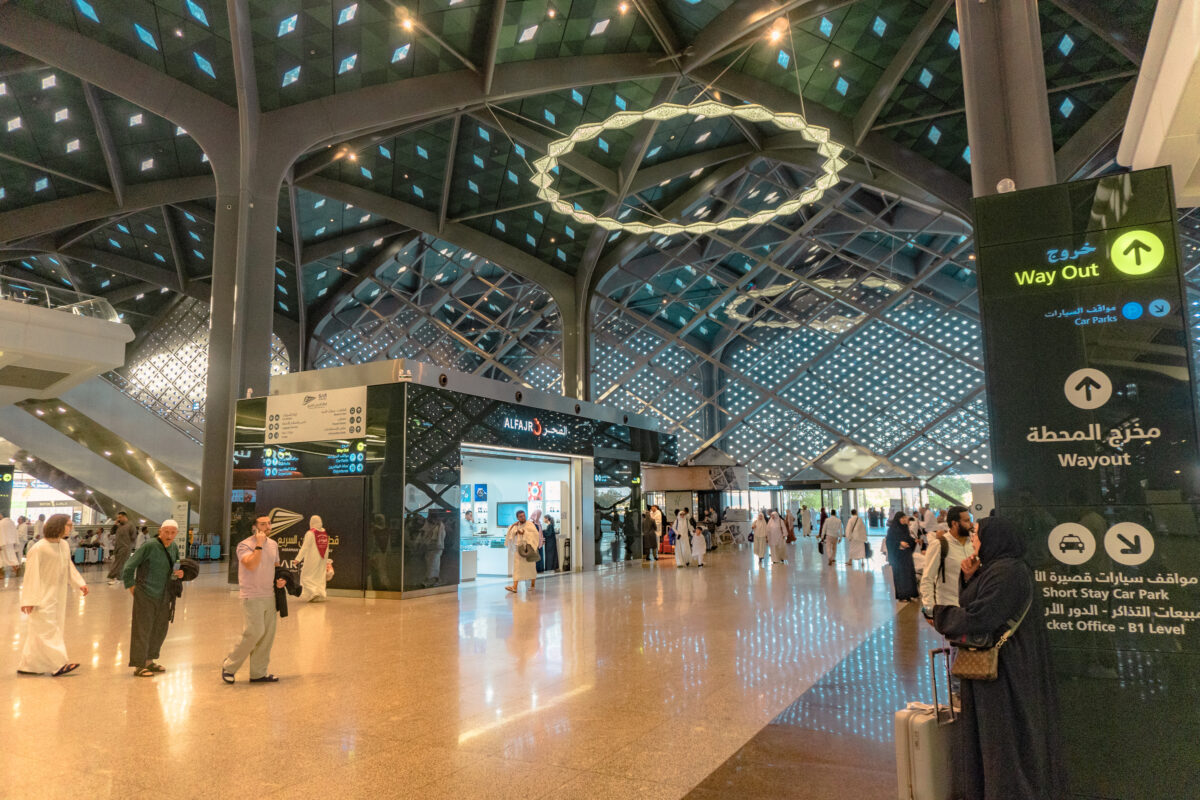
Saudi Arabia has a new train system that connects major cities together. In Jeddah for example, you can take the train to Makkah or Madinah with a bullet train that travels up to 300 km/h.
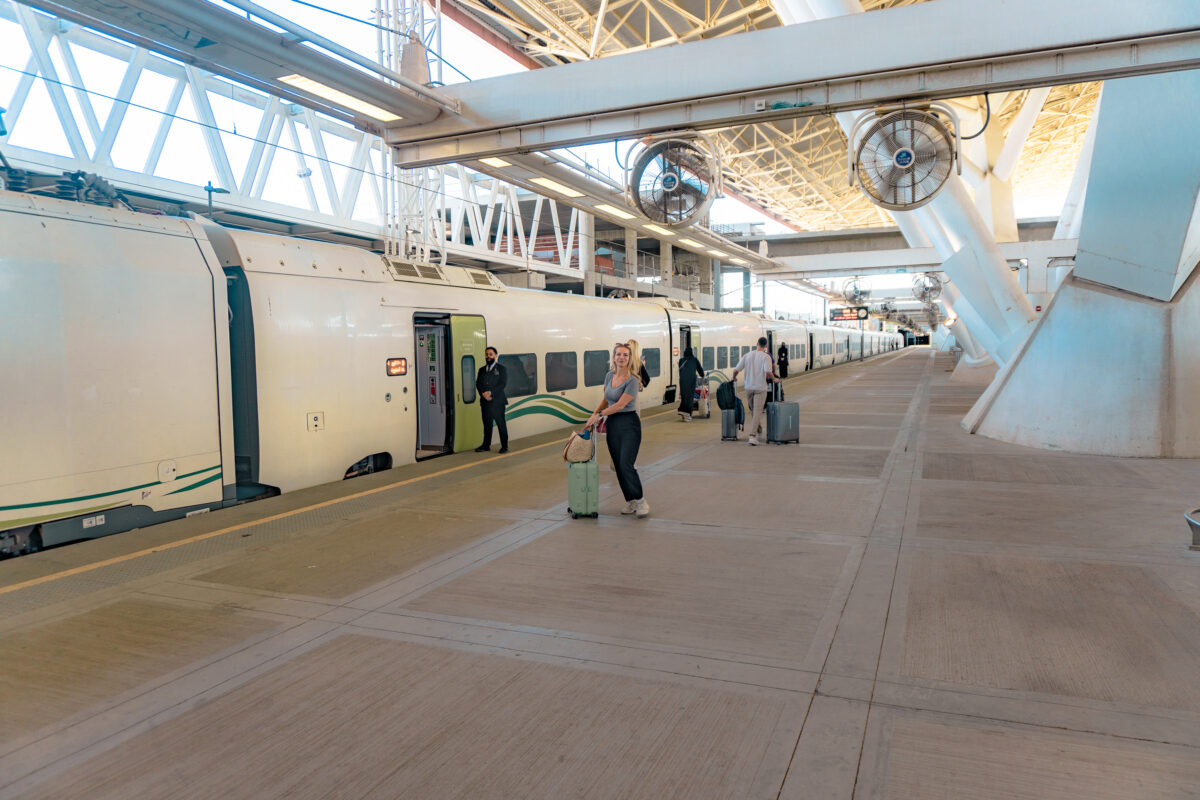
I took a train from Jeddah to Madinah and was pleasantly surprised at the comfort, speed, and ease. You can book train tickets online beforehand. The train stations are brand new and state of the art.
By Airplane around Saudi
Saudia Airways and Flynas are the main airlines I found in Saudi Arabia. Flights from Jeddah to Riyadh are once an hour as these are the two biggest cities. Other cities like Abha and AlUla are less frequent.
Most people will visit Al’Ula when visiting Saudi Arabia but I found that there was only one or two flights a day between Jeddah or Riyadh. If you come during a busy time of year, absolutely book this flight well in advance as it will get booked out. In fact, we flew from Jeddah to Al’Ula and they overbooked this flight which led to us having to drive ourselves to Al’Ula
Driving and renting a car in Saudi Arabia
Rental cars are readily available all over Saudi Arabia. Road trips are a popular option to explore the country. The roads are in great condition and much of the country is sparsely populated outside of the main cities.
As Saudi has more gas than God himself, the price for petrol is steady around 2.2 SAR per liter (~$0.60). This price might change over the years as the country tries to wean itself off depending on oil. Nevertheless, the price of petrol shouldn’t be much of an issue for travelers to Saudi.
I don’t think renting a car is necessary in the cities unless you are planning to do a full road trip. I do highly recommend a car in Al’Ula. If you plan on exploring the area yourself without relying on a private guide, then a car is a must. The sites are very spread out and there is no easy to way to get to them without your own car.
One thing to note is that Saudi drivers are absolutely insane. I’m not sure what is taught in Saudi driving schools but it is certainly not the same as what we are used to in the West. It reminded me of the driving in Lebanon and Cairo, both places where I was shocked that I didn’t see accidents at every turn.
Expect people to drive like crazy and prepare yourself accordingly.
Getting around in the cities
Jeddah and Riyadh both have a train system but it’s much more convenient to simply use ride hailing to get around. The main ride hailing apps in Saudi Arabia are Careem, Uber, and Bolt. Make sure you have one or two of these downloaded and set up before arriving in the Kingdom.
Prices are very reasonable to get around the cities. You can expect to pay between 20-40 SAR for a ride around town and 60-100 SAR for a ride to the airport.
Entry Requirements For Saudi Arabia
Many countries can enter Saudi Arabia with their e-visa system. You can apply before you enter the country or you can simply buy a Visa on Arrival when you arrive in the country. I opted for the latter and found the process to be very straight forward.
The cost for the VOA is 300 SAR. You will also need to buy mandatory health insurance (no way to get around this) for an additional 95 SAR which means the total cost to enter Saudi Arabia is 395 SAR ($105 USD). This is a steep price for a visa on arrival, on par with what I had to pay in New Zealand.
The Full Saudi Arabia itinerary
The trip starts in Jeddah, Saudi Arabia’s 2nd largest city on the coast. We spent 2 days in Jeddah exploring the highlights like its historic old town and beach promenade. My partner (who is Muslim) took a half day trip to Makkah to see the famous Great Mosque of Mecca and the Kaaba (more on that later). She did not perform the umrah but simply visited the sights.
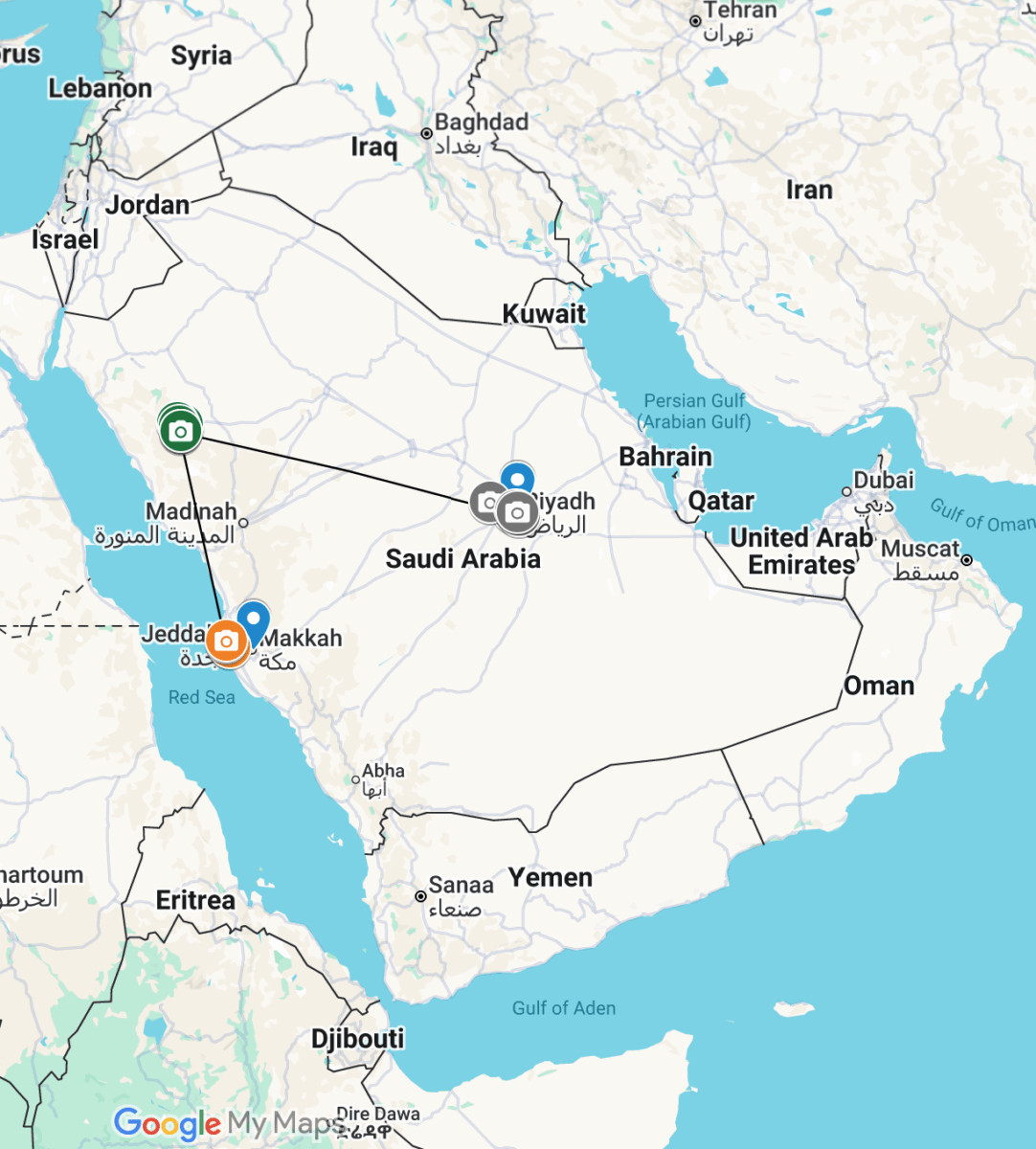
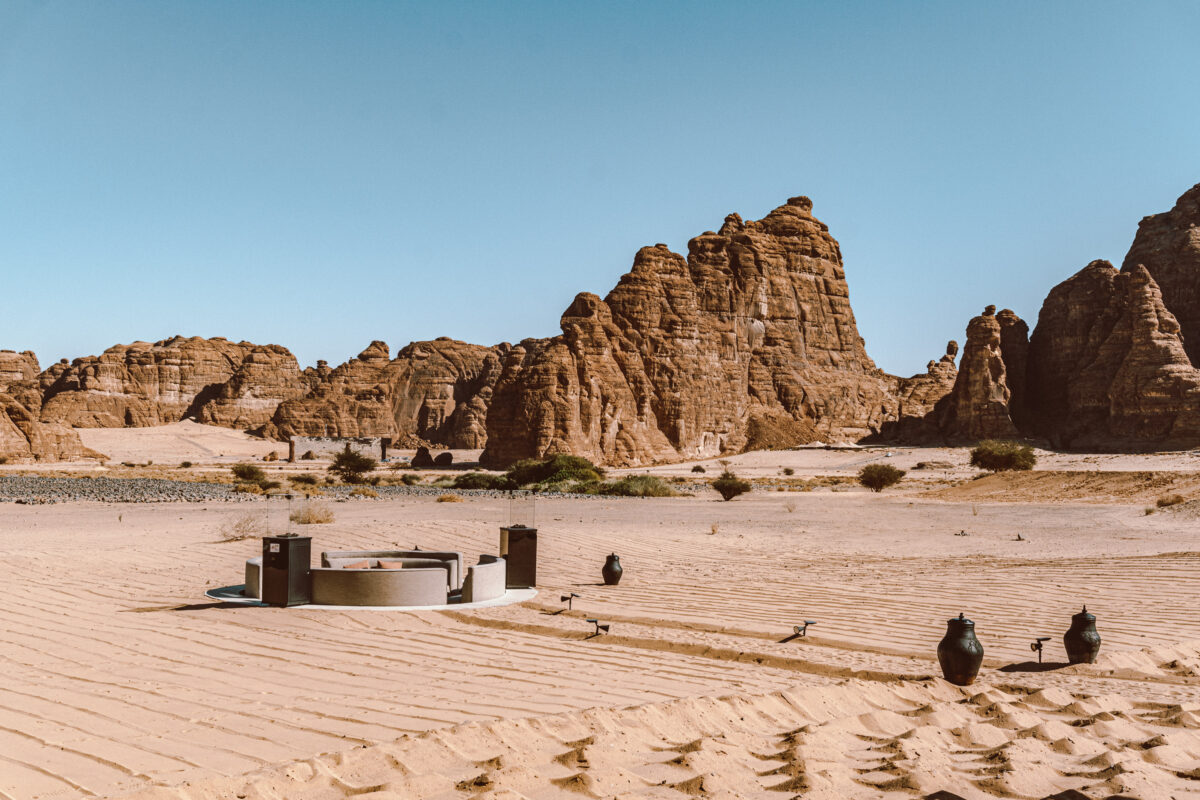
From Jeddah, we flew to Al’Ula where we stayed in the wonderful and super luxurious Banyan Tree hotel in the Ashar Valley. Al’Ula and the Red Sea project are probably the most “famous” tourist attractions for Saudi Arabia at the moment. We spent an amazing four nights over New Years Eve exploring the desert.
From Al’Ula, we flew to Riyadh, Saudi’s cosmopolitan capital city. We spent two days in Riyadh and made a half day tour to the Edge of the World, an incredible cliff viewpoint that really feels like its namesake.
From Riyadh, we flew home. All in all, we spent 9 days in Saudi Arabia. I felt like this was enough to get a flavor of the country but I am keen to come back. If I had more time, I would have loved to explore the southwest region of Abha near to the Yemen border.
Day 1-3: Jeddah
The trip starts in Jeddah, Saudi Arabia’s second largest city on the Red Sea. From my first visit to Egypt and to its beautiful Red Sea region, I was infatuated with the potential of visiting Saudi Arabia across the gulf of Aqaba. It felt so close yet so far since Saudi was not open for tourism. The city that grabbed my attention was of course Jeddah.
Fast forward 11 years, I’ve finally made it to this beautiful city! Jeddah has never been an inward-looking city. For centuries, it has been Saudi Arabia’s open door to the world, shaped less by desert caravans and more by ships arriving from Africa, India, Southeast Asia, and the Mediterranean. Long before oil, Jeddah existed because of the sea. It began as a modest fishing village and slowly grew into the main port serving Makkah, just inland, becoming the first stop for millions of pilgrims arriving by boat for Hajj and Umrah.
That constant flow of people left a mark. Merchants, scholars, and pilgrims passed through, some staying for weeks, others for generations. Jeddah absorbed their languages, food, architecture, and customs. Even today, the city feels more relaxed and outward-facing than other parts of the Kingdom. It’s not trying to impress you with skyscrapers or megaprojects that Riyadh is famous for (even though the Jeddah tower will be the tallest building in the world once it’s finished).
Why Jeddah Matters
If Riyadh represents modern Saudi Arabia’s political and economic power, Jeddah represents its soul. It is the Kingdom’s cultural melting pot, the historic gateway to Islam’s holiest cities, and the place where global influences entered Saudi Arabia long before globalization became a buzzword.
Jeddah is also where many of the country’s reforms first felt tangible. Music, art, fashion, and dining scenes developed here earlier and more organically than elsewhere. The Red Sea played a role in that openness too. Living by the water tends to soften cities. There is a sense that life moves slightly slower in Jeddah, especially in the evenings when the heat eases and families come out to walk, eat, and socialize along the coast.
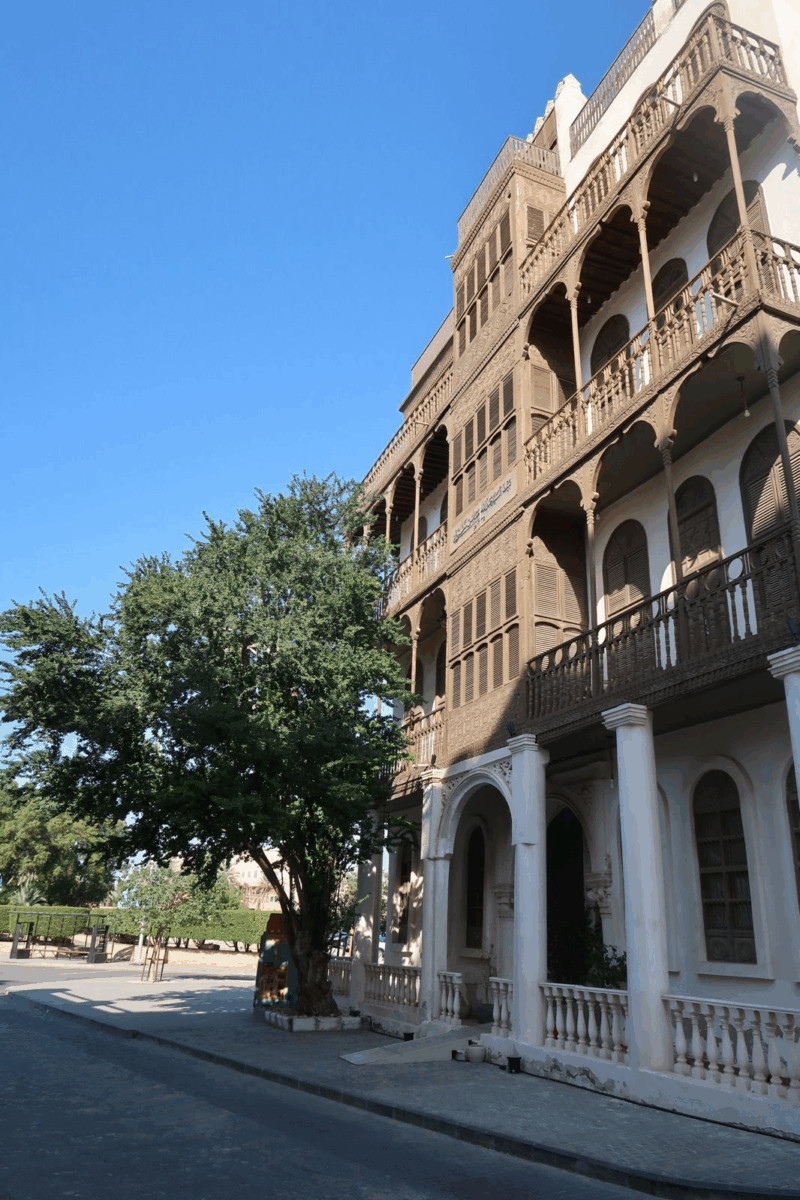
An interesting fact many travelers don’t realize is that Jeddah’s historic district, Al Balad, is a UNESCO World Heritage Site. Its traditional coral-stone buildings, some over 300 years old, are unique to the Red Sea coast and were once home to wealthy merchant families who traded spices, textiles, and gold across the Indian Ocean.
Exploring Al Balad: Old Jeddah
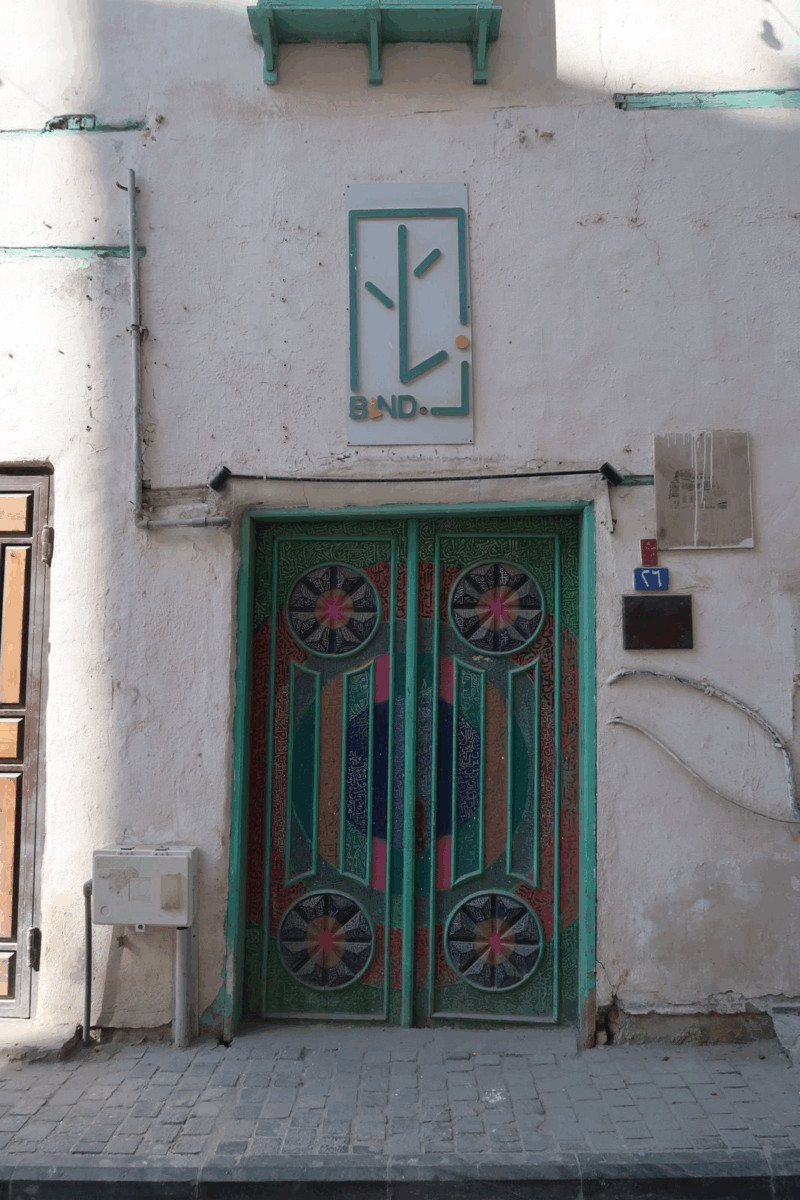
Al Balad is where Jeddah truly comes alive. Walking through its narrow streets feels like stepping into another era, but not in a staged or polished way. This is not an open-air museum. It’s raw, atmospheric, and deeply authentic.
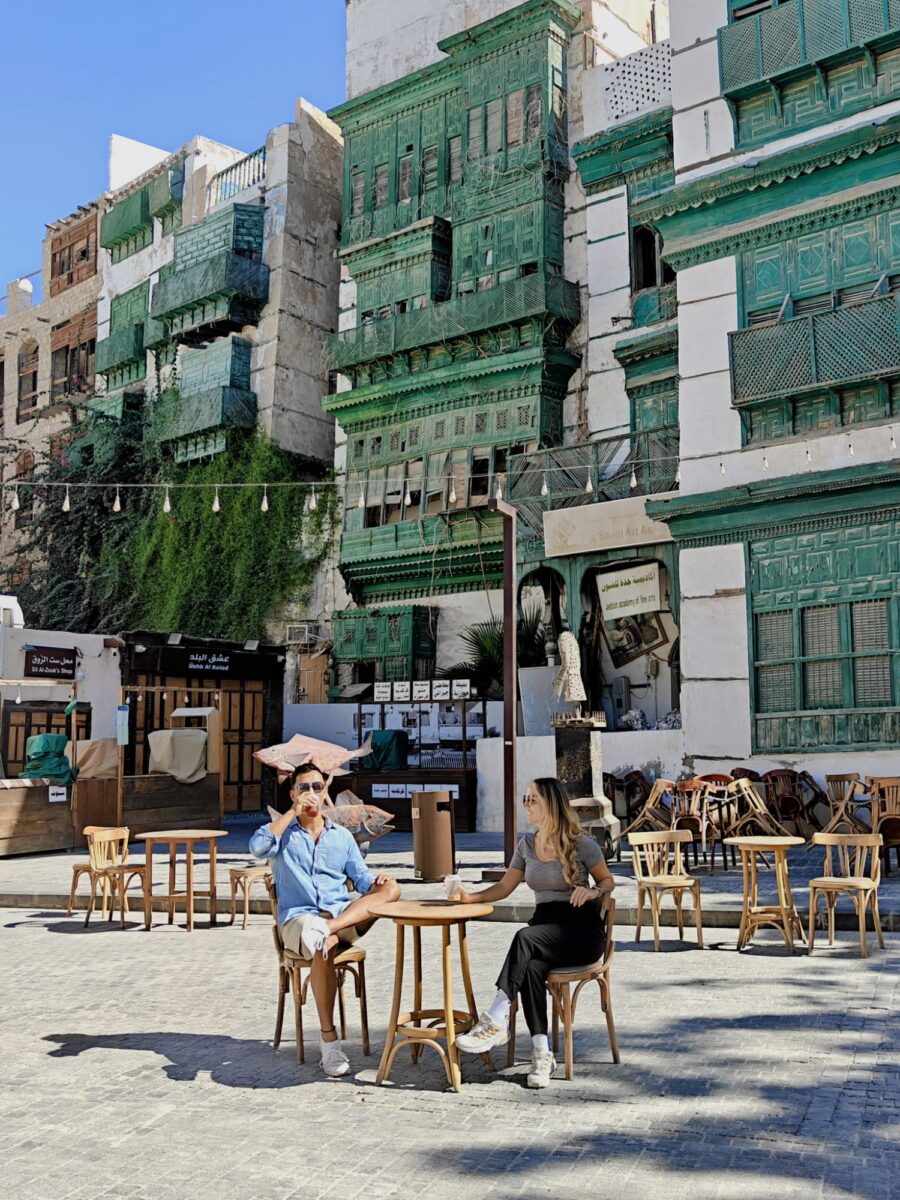
The traditional houses, built from coral stone and wood, rise several stories high and are adorned with intricately carved wooden balconies known as rawashin. These balconies weren’t just decorative. They allowed air to circulate, shaded the interiors, and offered privacy while still letting residents observe street life below.
As you wander, you’ll pass small shops selling spices, oud perfumes, incense, and textiles. The scent of cardamom and frankincense hangs in the air. Locals chat on stoops, kids dart between alleys, and the call to prayer echoes off centuries-old walls. Make time to visit Nassif House, one of the most famous historic homes, which once hosted kings and dignitaries and now serves as a museum and cultural space.
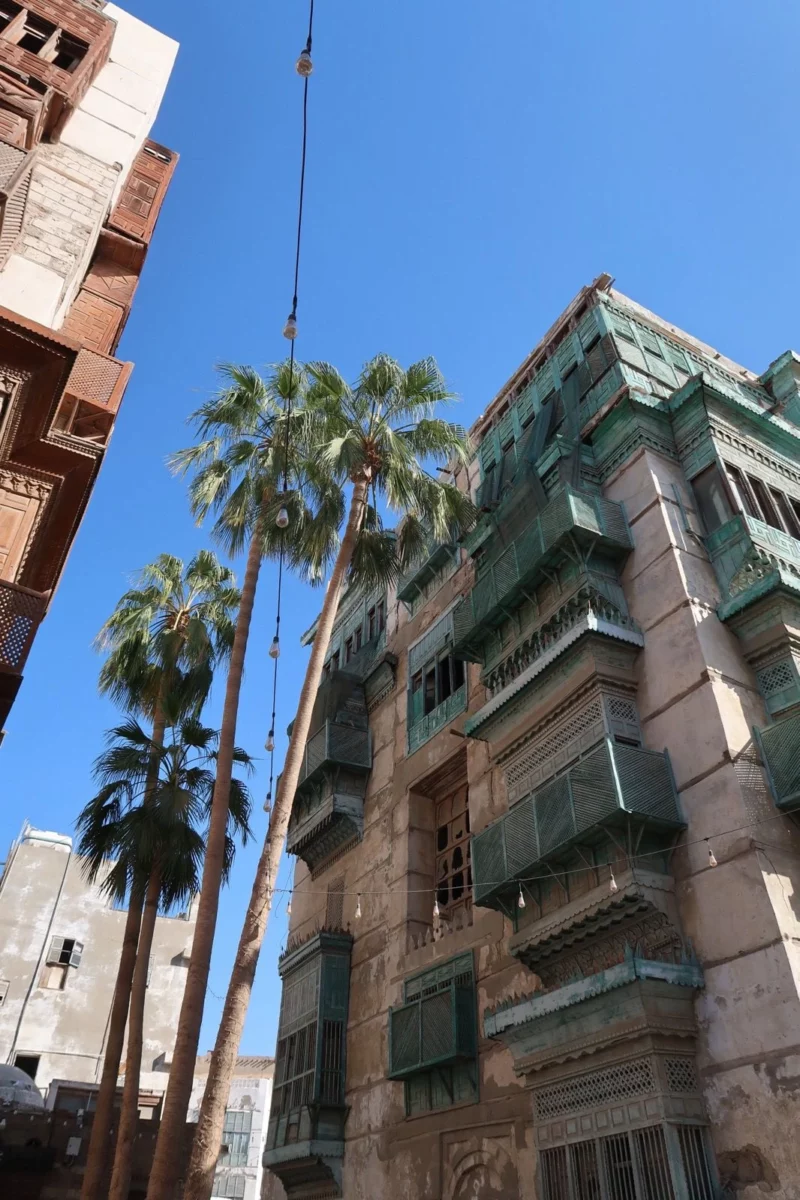
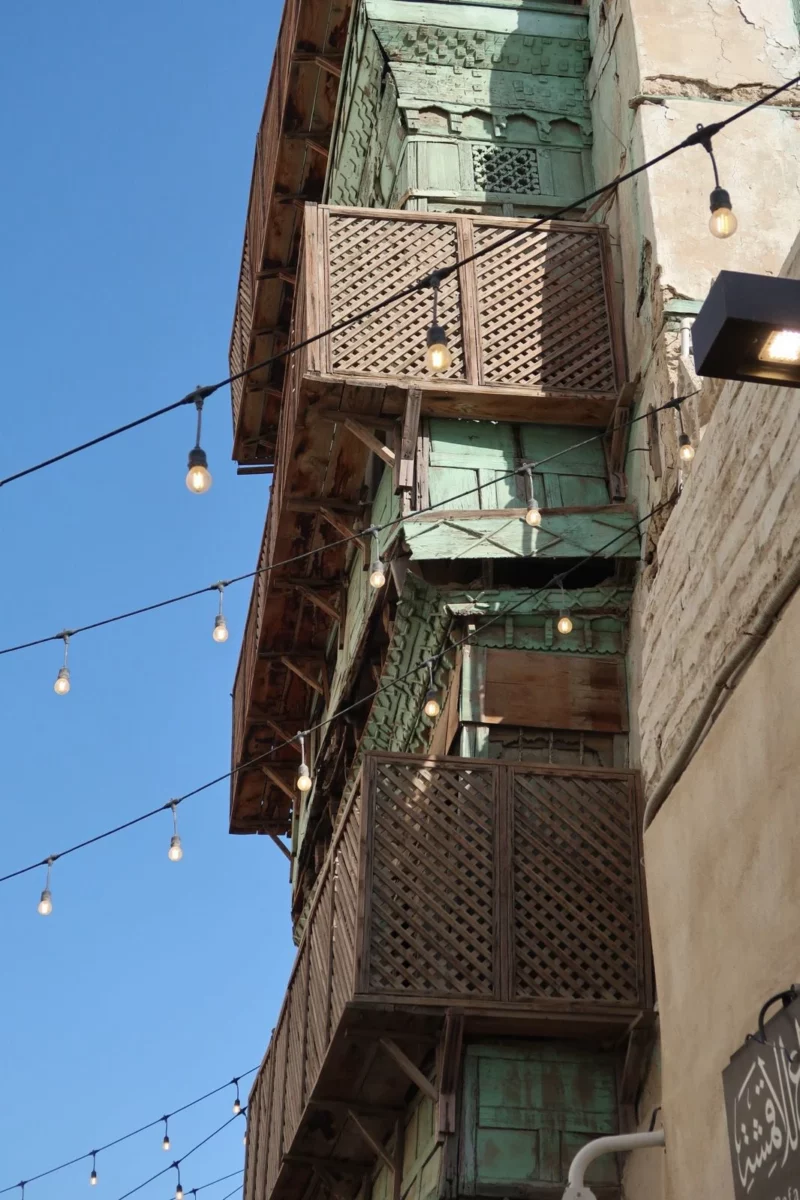
For me, the old town of Jeddah is its main highlight. I came here during the day and at night with both visits giving me something different .The morning allowed me to walk through the alleys in peace admiring the colors and details. The evenings are when it comes alive with beautiful lights shining the way for tourists and local alike.
I purchased my thobe and shemagh in the Jeddah old town (make sure to haggle a bit). While there are countless high end tailors in the old town, you’ll need to pay up and wait awhile for a properly made thobe. I did not have the luxury of time so I purchased a ready-made one at one of the tourist shops on the main strip. This is of the lowest quality but nevertheless, it did the job and I went from being a tourist to an attraction.
For the rest of my trip, anytime I put on my traditional Saudi outfit, I went from being Johnny to Prince Mohammed bin Johnny in an instant. Everyone and their mothers wanted a photo with me. Every man smiled at me giving me the thumbs up. What I thought might have been offensive turned out to be an instant smile generator for the locals. They absolutely loved that I liked their traditional outfit. Young, old, man, woman, everyone.
Come here during the sunset hour and watch the colors of the mosque come alive as the sun sets directly in front of you.
The Jeddah Corniche and the Red Sea
Jeddah’s relationship with the sea is most visible along the Corniche, a long waterfront promenade that stretches for miles along the Red Sea. This is where the city exhales. Families picnic on the grass, joggers weave past food trucks, couples sip coffee while watching the sunset, and fishermen cast lines into impossibly blue water.
The Corniche is also home to one of Jeddah’s most recognizable landmarks, the King Fahd Fountain. Shooting saltwater high into the sky, it is the tallest fountain in the world and is especially striking after dark when illuminated against the night sky. It’s less about ticking off a sight and more about absorbing the atmosphere. Grab a coffee, find a bench, and watch the city move around you.
The Floating Mosque
One of the most photogenic spots in Jeddah is the Al Rahma Mosque, often called the Floating Mosque. Built on stilts over the Red Sea, it appears to hover above the water during high tide. The mosque is elegant rather than grand, with white stone, soft domes, and simple geometric lines that reflect beautifully at sunset.

Whether or not you enter, it’s worth visiting for the setting alone. The contrast between the calm sea, the sound of waves, and the call to prayer creates a moment of stillness that stays with you. It’s one of those places that quietly encapsulates Jeddah’s identity, spiritual, coastal, and deeply serene.
Come here during the sunset hour and watch the colors of the mosque come alive as the sun sets directly in front of you.
Where to stay in Jeddah
Jeddah, like Riyadh is very spread out so there really isn’t an “Area” that is better to stay than others. Everything is 20-30 minutes by taxi and you won’t be walking much of anywhere.
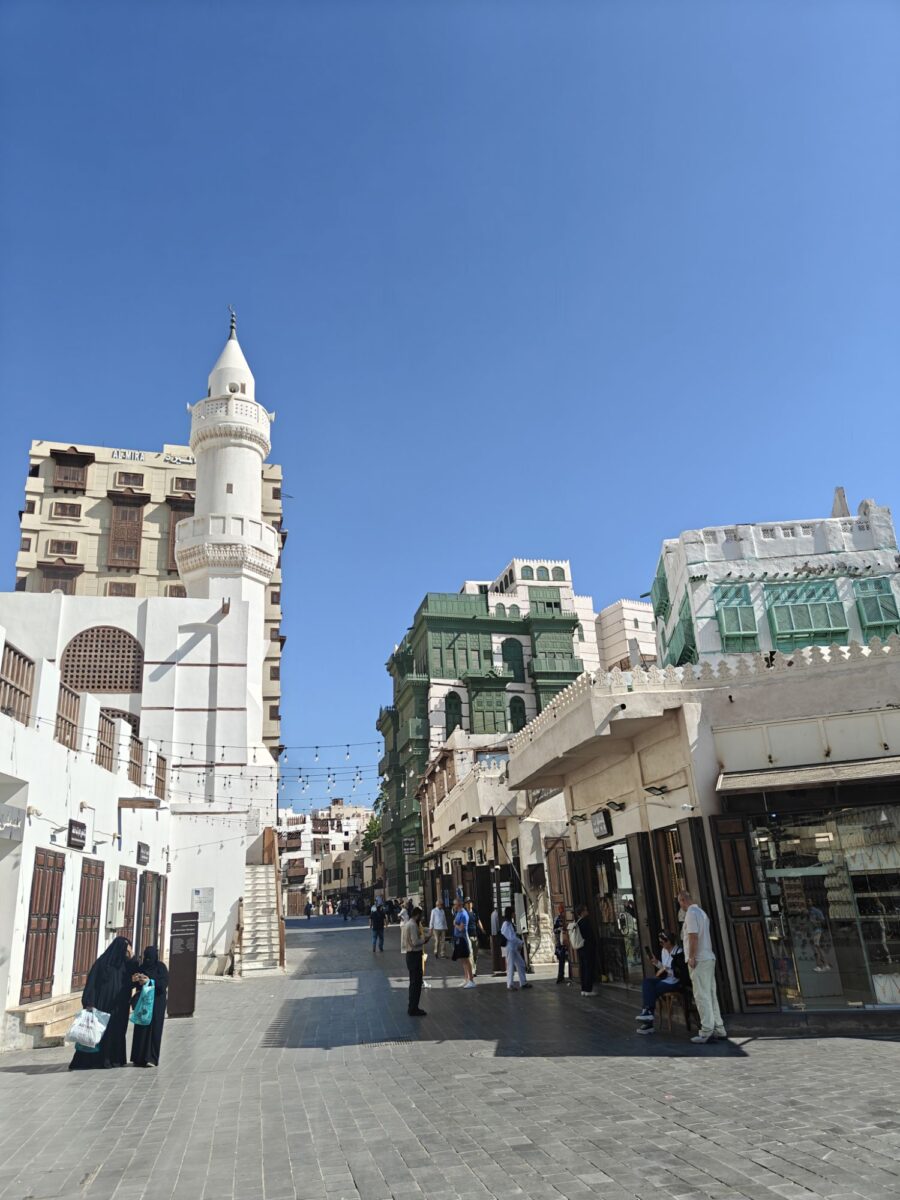

More than anything, Jeddah feels lived-in. It’s not polished to perfection, and that’s part of its charm. Spend an evening strolling by the sea, get lost in the old town, and sit down for a long meal. Jeddah doesn’t demand your attention. It earns it slowly.
Day 2 (Optional): Makkah
Makkah, or Mecca, is the holiest and most important city in Islam. Tourists are allowed to visit the city of Makkah but stepping foot inside the Great Mosque of Mecca is strictly for Muslims. If you are not Muslim, you cannot enter the Great Mosque or visit the Kaaba.
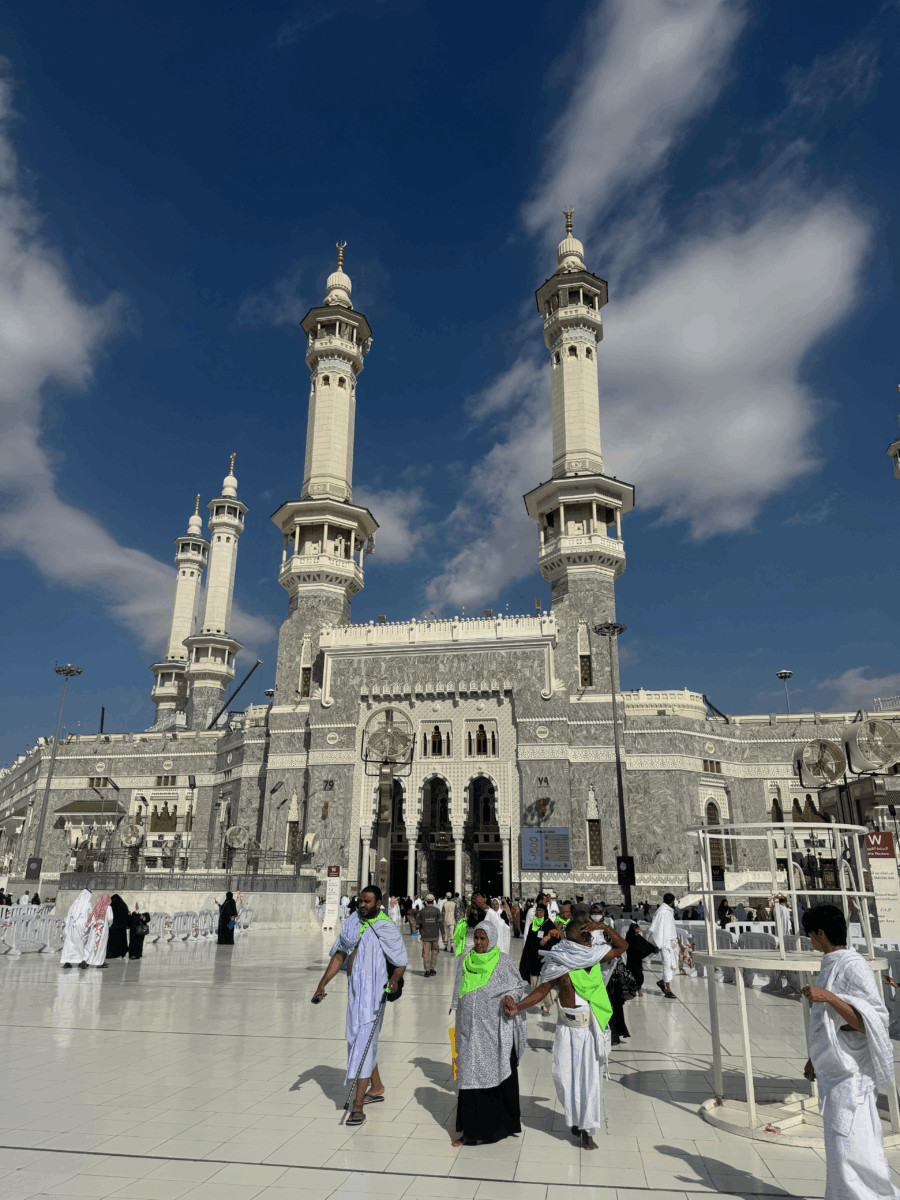
I’m not Muslim so I did not visit Makkah but my partner is. She is Bosnian, which is the only European Muslim nation. She is not a strict Muslim as the Islam practiced in Bosnia is a lighter version compared to much of the rest of the Muslim world.
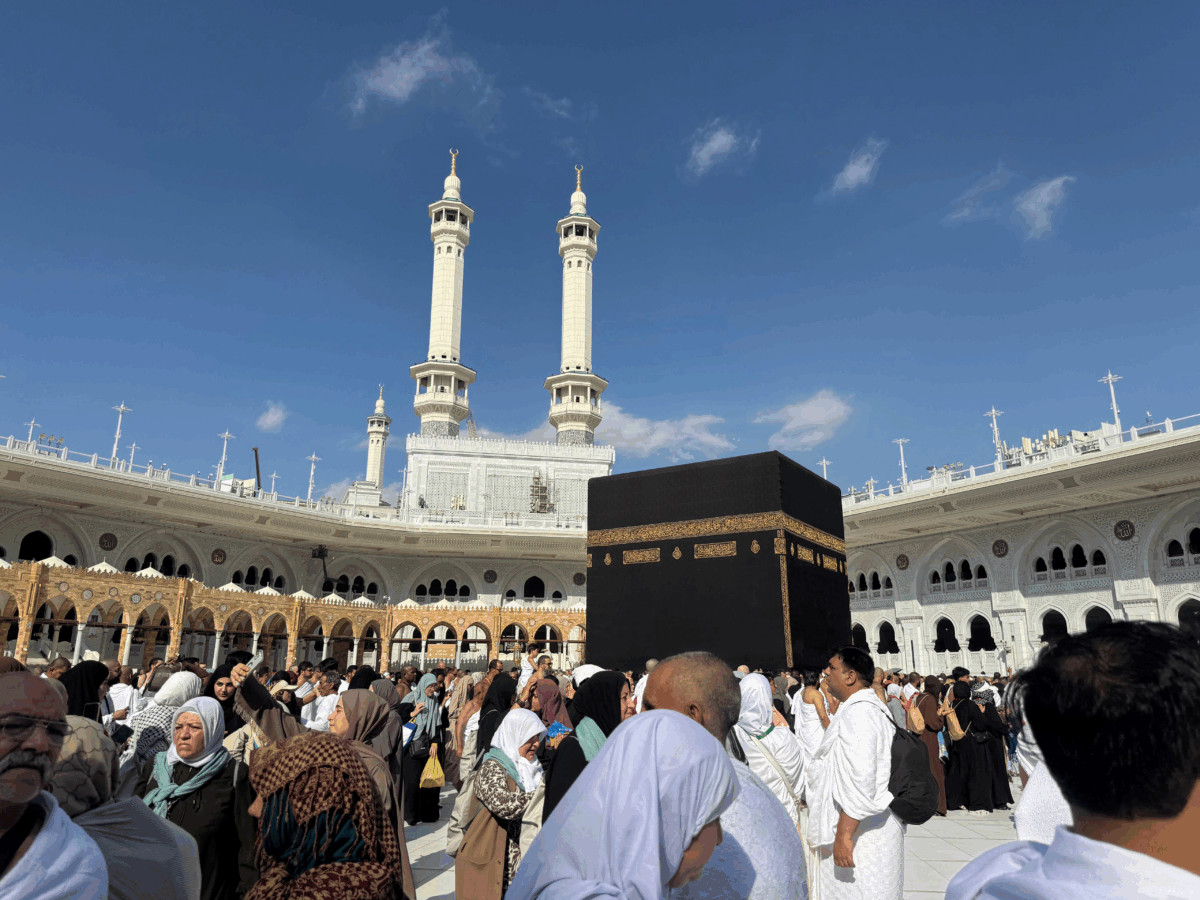
There are no distinct guidelines for visiting Mecca besides being Muslim. There are security checks at the entrance of the Mosque to check if you’re Muslim. She knows the major prayers in Arabic and has recited them before when visiting the Al-Aqsa mosque in Palestine.
Getting to Makkah from Jeddah
Makkah is located 50km east of Jeddah. You can reach Makkah by the high speed train in under 1 hour. From the Makkah train station, you can walk to the Great Mosque.
Alternatively, my partner didn’t want to deal with figuring out the train as she pretty much went shortly after we landed in Jeddah. Instead, she took an Uber from our hotel in Jeddah straight to the Great Mosque. This ride was 120 SAR which is not that much more expensive than the train. While you can find plenty of taxis to go to Makkah, the ride back was a bit more difficult to find and she ended up waiting 20 minutes or so to find a driver.
Overall experience in Makkah
Overall, the experience was incredible. While it was not the Hajj season, tens of thousands were there to perform Umrah and being at the holiest of places was something beyond expectations. As a single female traveler with blonde hair and blue eyes, I felt very safe. People were very helpful assisting me in finding where I needed to go. There are tens of thousands of people here at any point so it gets overwhelming.
Overall, while I did not perform the Umrah, I was able to witness the beauty of the pilgrimage that you’ve read about your entire life. I wasn’t sure I would ever make this experience a reality but I’m so glad I took a half day out of my Saudi trip to visit the holy city.
Day 3-7: Al’Ula
From Jeddah, we took a quick flight to Al’Ula. This quickly went south as the flight was overbooked (only one flight a day from Jeddah to Al’Ula) and we ended up taking a much crazier and longer journey via train to Madinah, renting a car, and driving to Al’Ula. I’ll spare those details but we made it to Al’Ula 8 hours after we were supposed to!
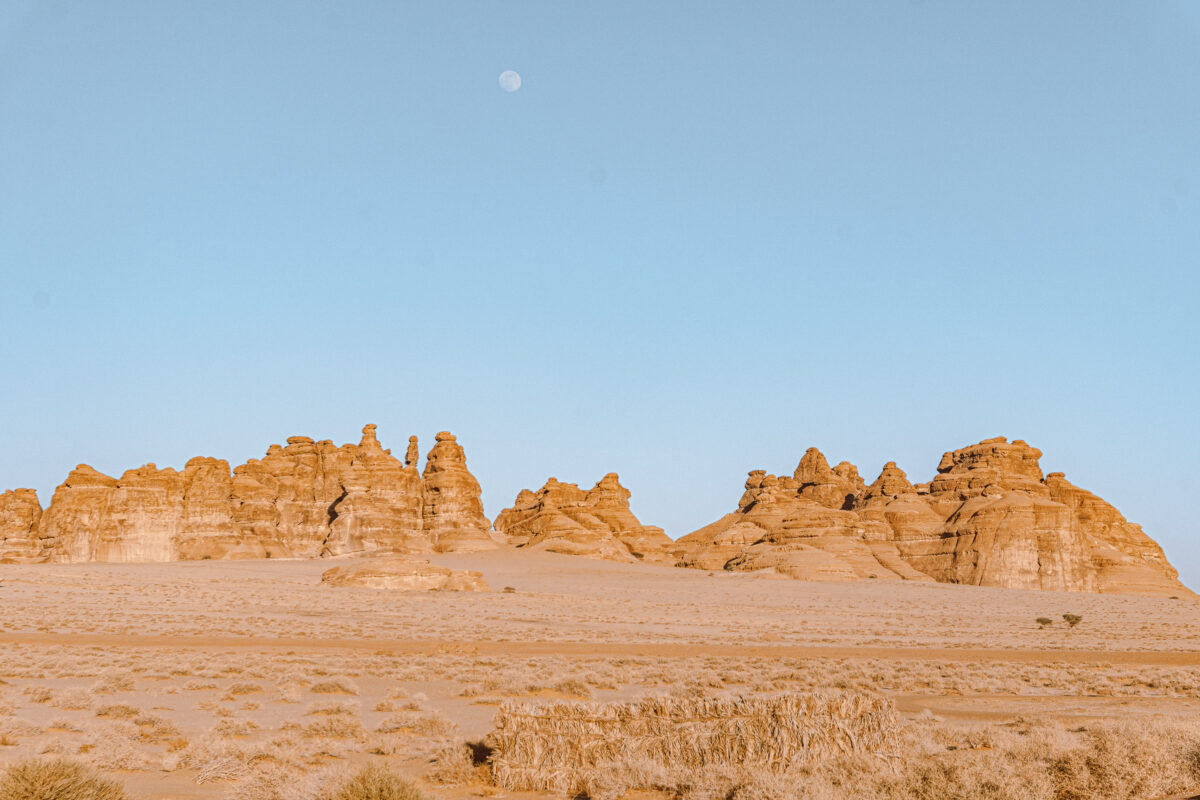
The Al’Ula region was once a crucial hub on ancient trade routes, linking southern Arabia with the Mediterranean and beyond. Caravans carried incense, spices, and precious goods through the narrow desert valleys, leaving behind stone settlements and tombs that still stand today.
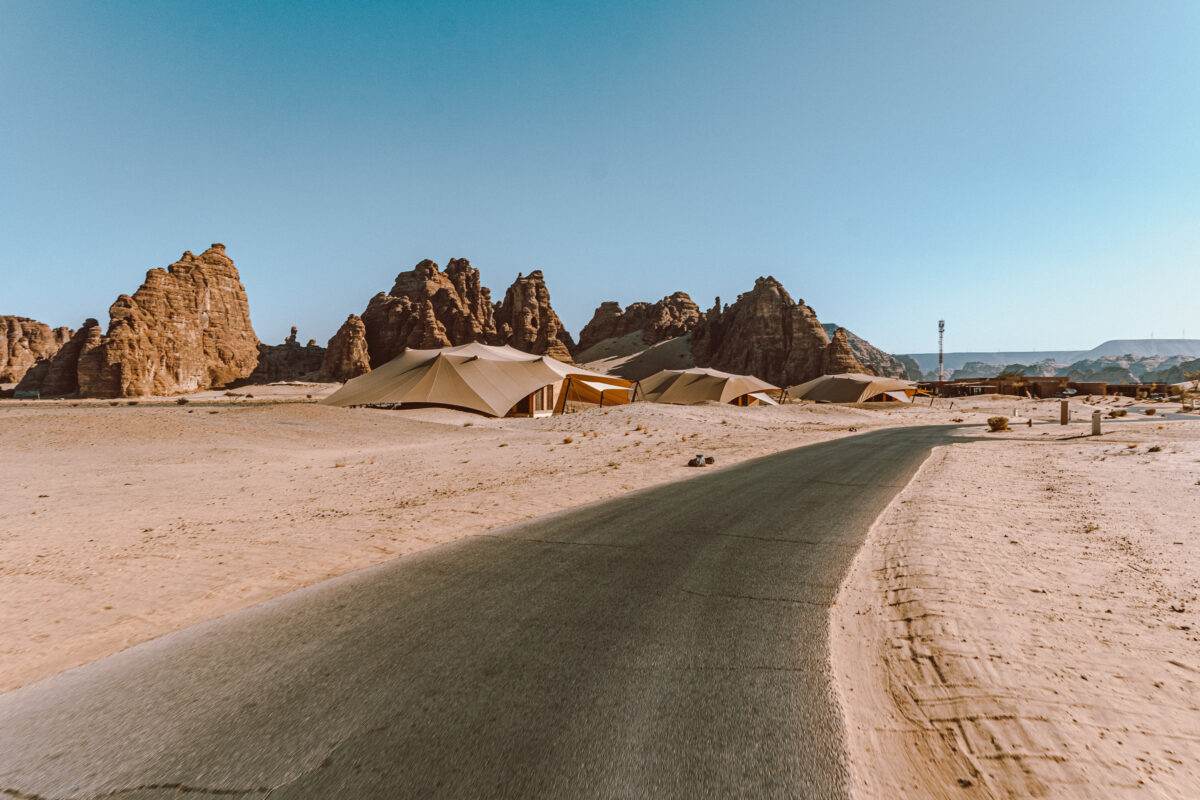
Tourism in Al’Ula is a relatively recent phenomenon. For decades, Al’Ula was mostly visited by archaeologists or pilgrims making the trek inland. The Saudi government’s Vision 2030 initiative has transformed it into an accessible destination, with roads, boutique hotels, and cultural programming that allow visitors like me to explore safely and comfortably, without feeling like the modern world has intruded on the magic of the landscape.
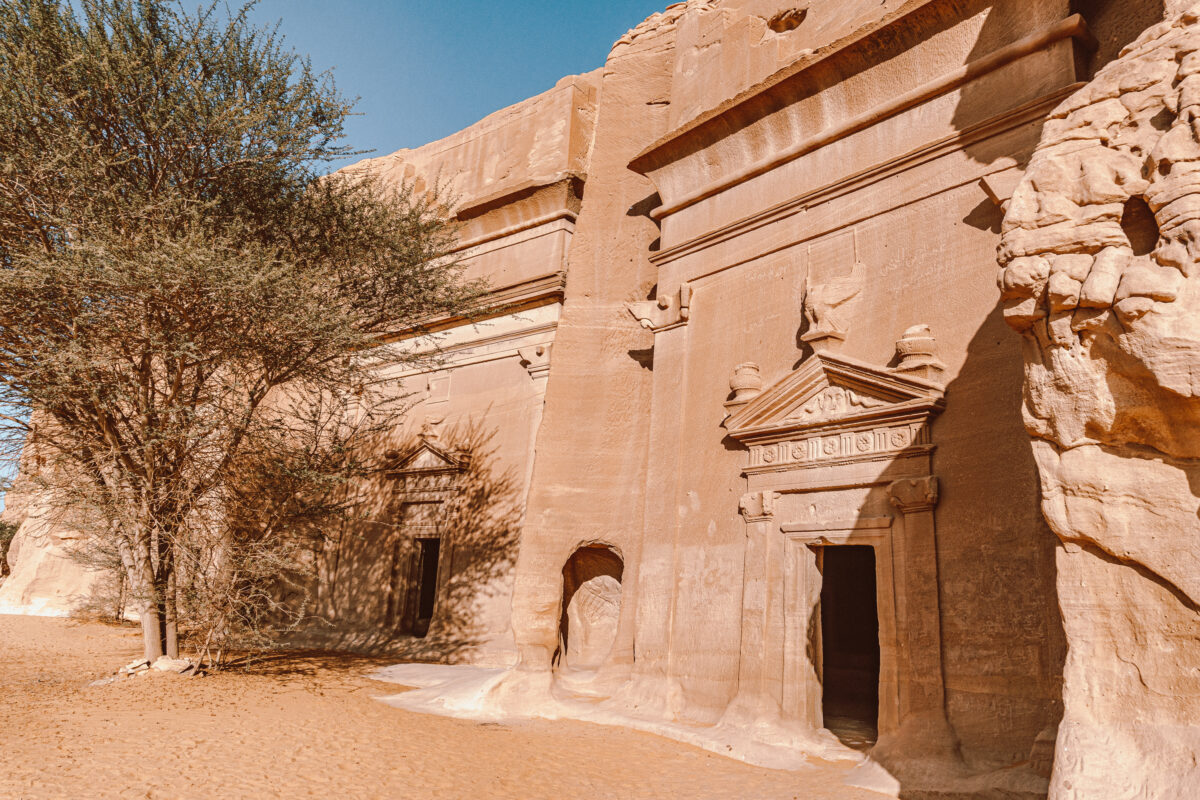
Hegra, also known as Mada’in Salih, is the most famous of these sites. It was the southern capital of the Nabataean kingdom and is Saudi Arabia’s first UNESCO World Heritage Site. If you’ve been to Petra in Jordan, you will immediately feel a connection. Petra is still one of my all time favorite places and the intricately carved tombs of the Nabateans completely blew me away. Hegra is like the smaller sibling of Petra, which was the capital of the Nabatean civilization.
Elephant Rock
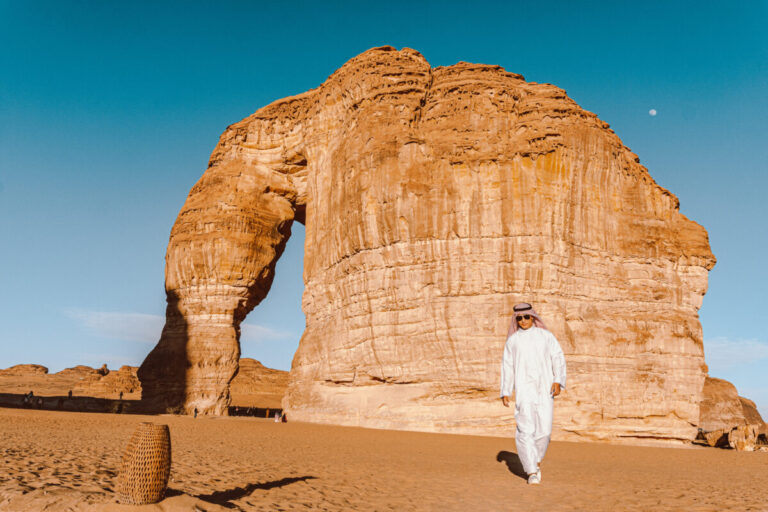
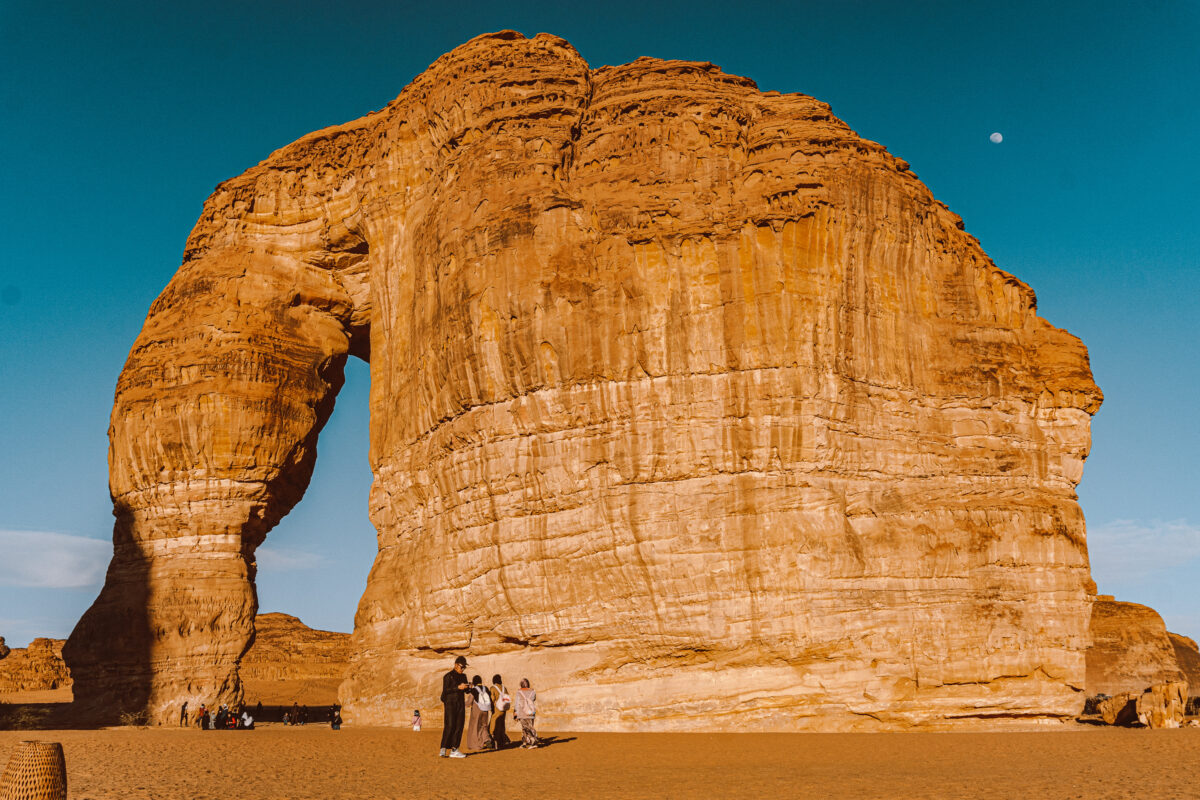
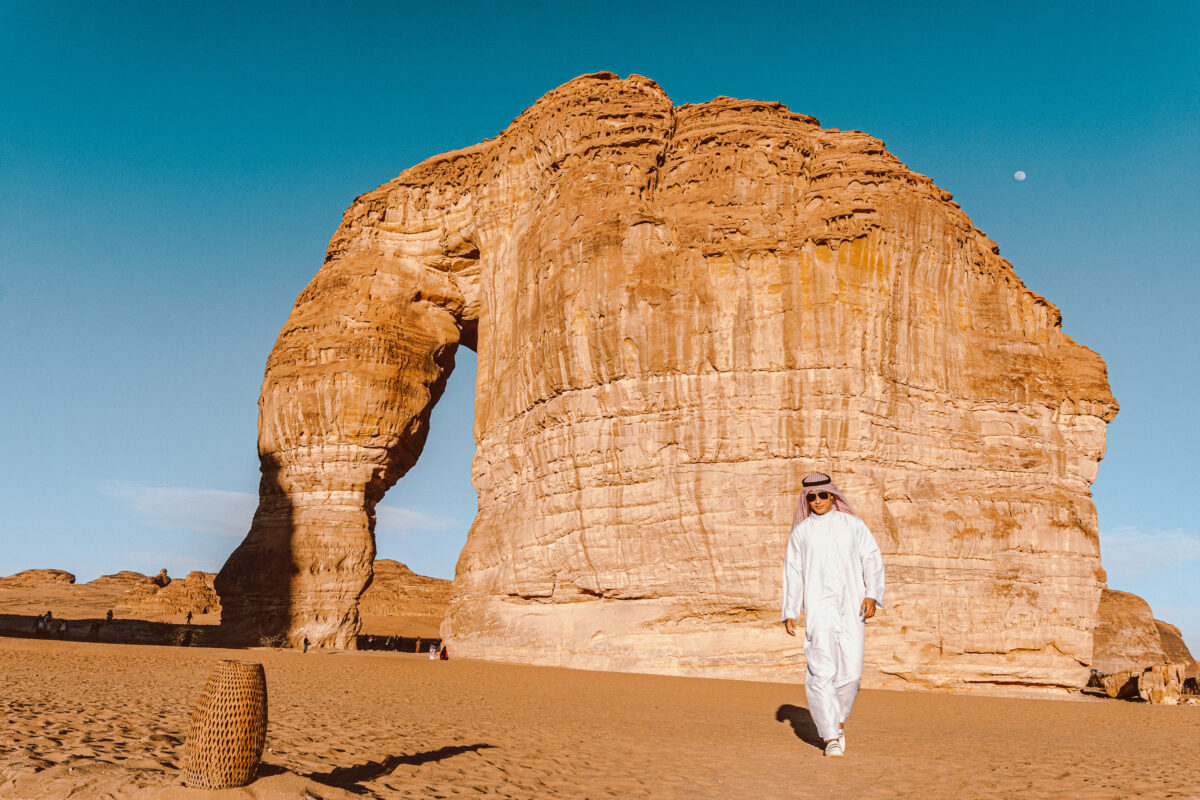
One of the first things I did in Al’Ula was visit Elephant Rock (Jabal AlFil), a natural sandstone formation shaped by centuries of wind and rain. From certain angles, it looks almost impossibly delicate, a massive stone elephant frozen in place. I spent a while walking around it, marveling at how the colors shifted with the light, and even snapping a few photos that barely do it justice.
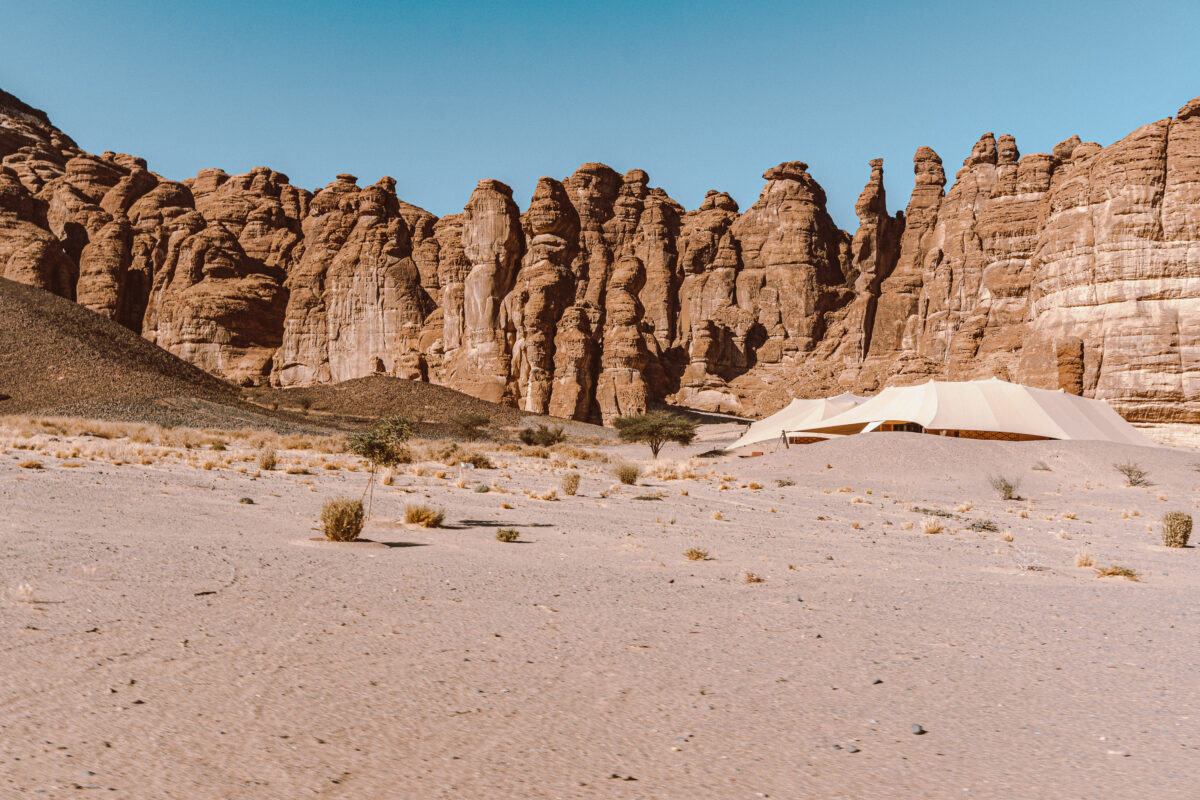
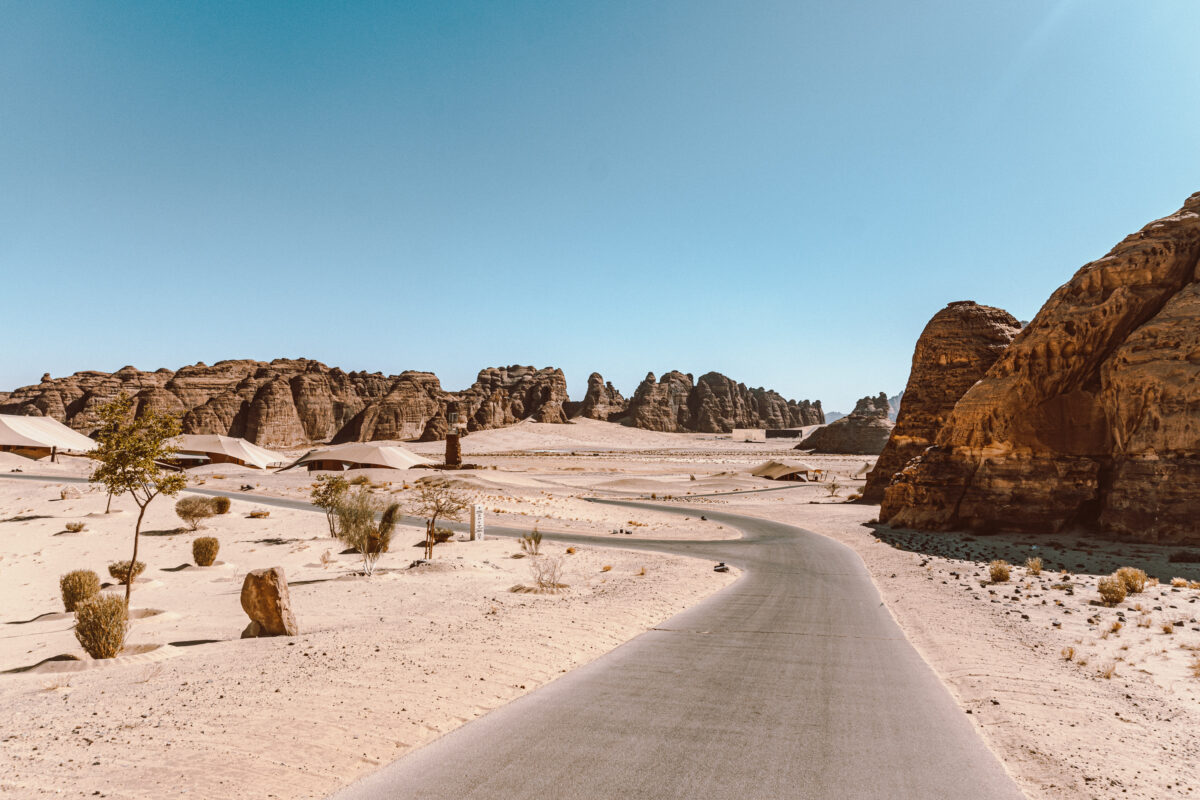
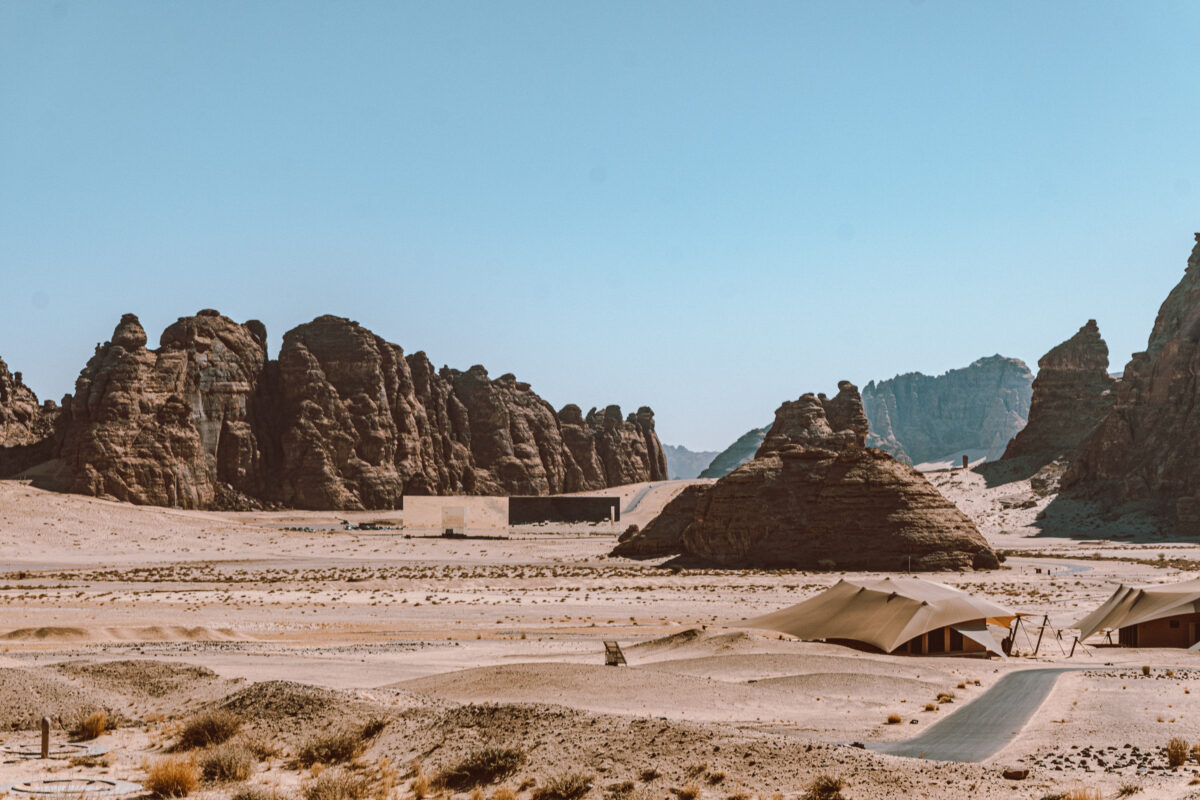
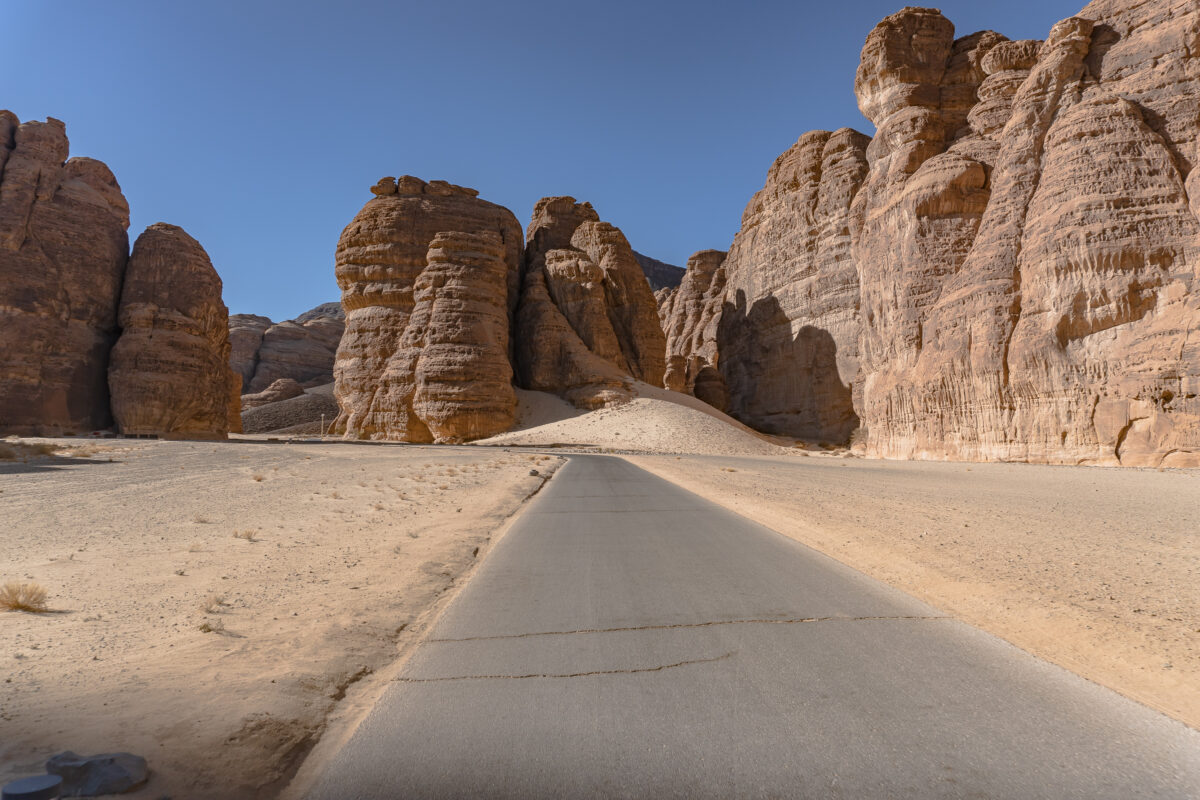
The surrounding desert has other dramatic rock formations as well, like the spires of Ashar Valley. Hiking here felt like stepping into a movie set. I didn’t expect to feel so small in such a vast landscape, but every path opened onto cliffs, canyons, and hidden pockets of desert flora that make you realize how timeless this region truly is.
Hegra: The Desert’s Ancient City
No trip to Al’Ula is complete without visiting Hegra, the crown jewel of Al’Ula. The Nabataean tombs are carved directly into massive sandstone outcrops, many adorned with intricate friezes and inscriptions. It still blows my mind how people two thousand years ago could make such detailed and huge carvings into stone that lasts until today.
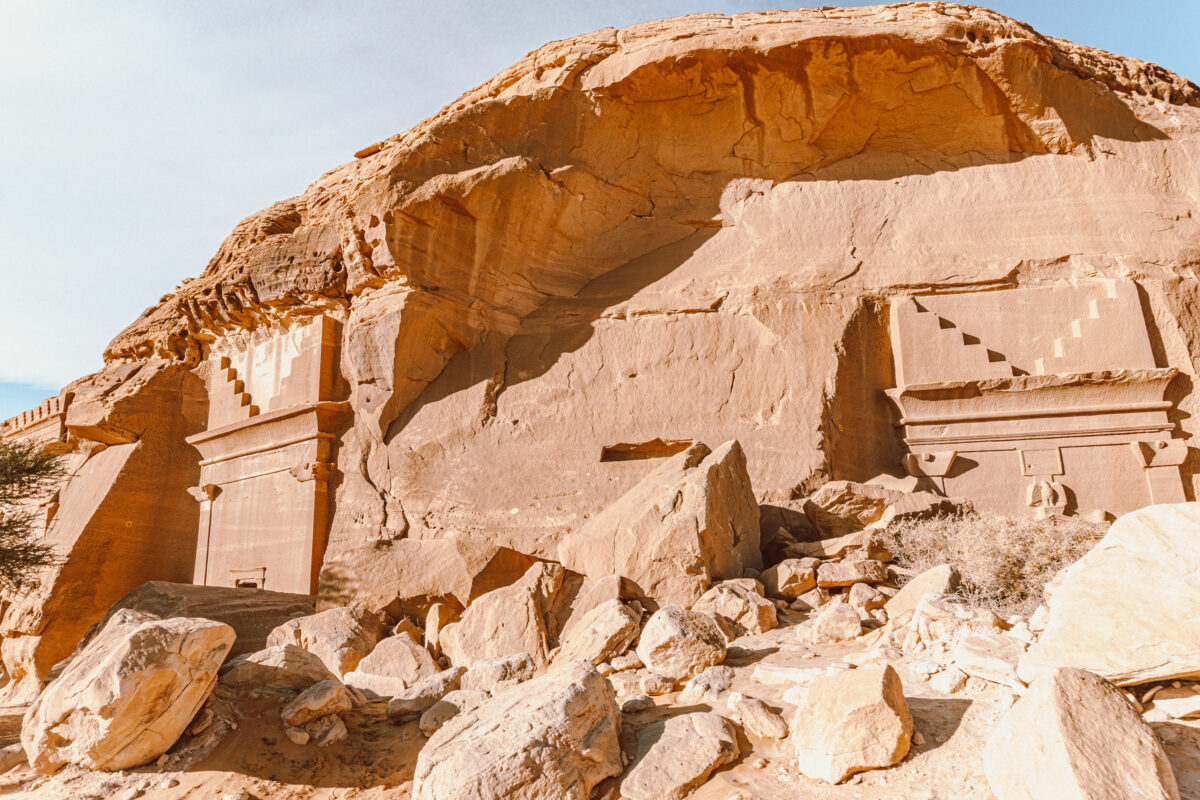
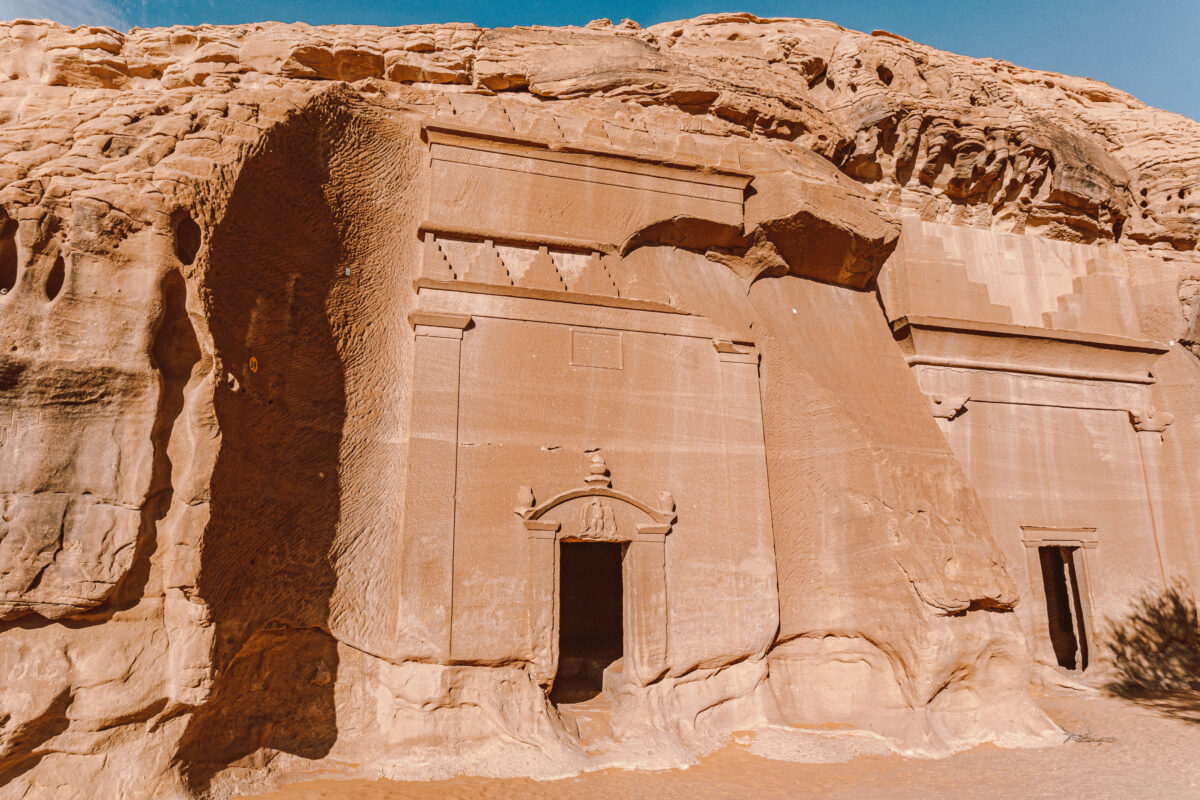
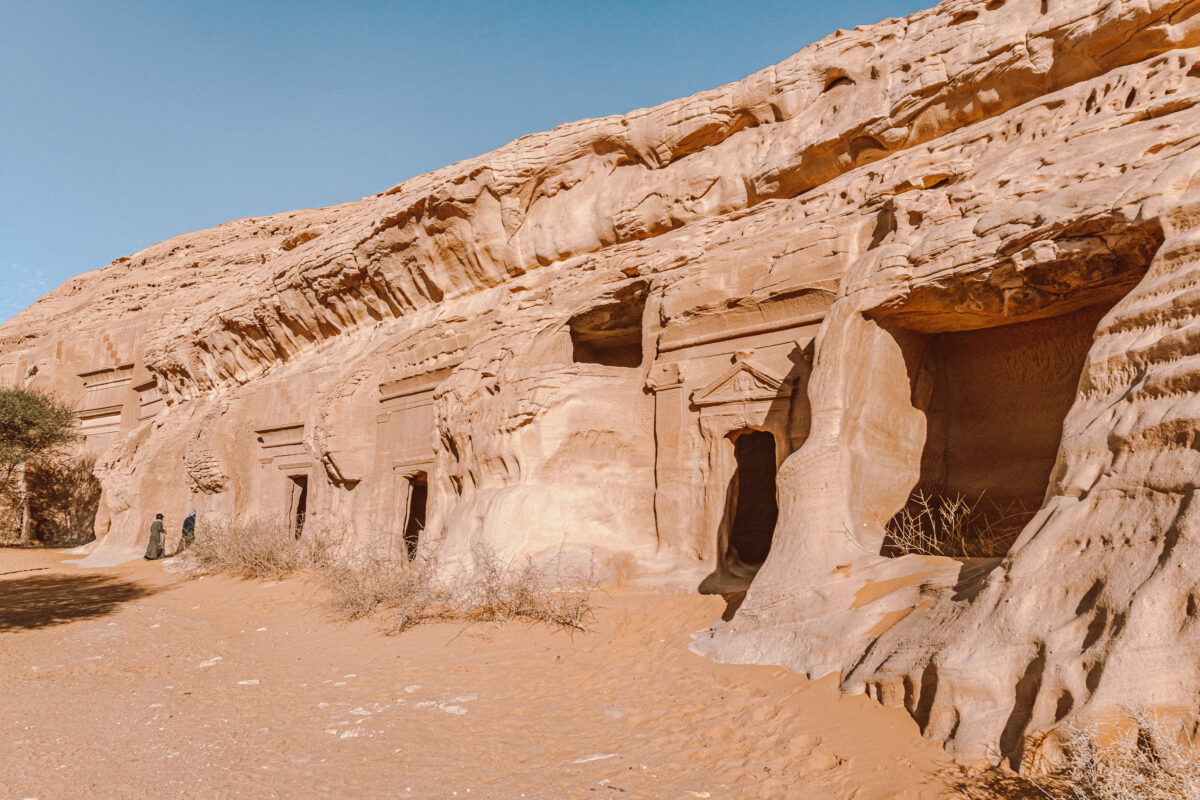
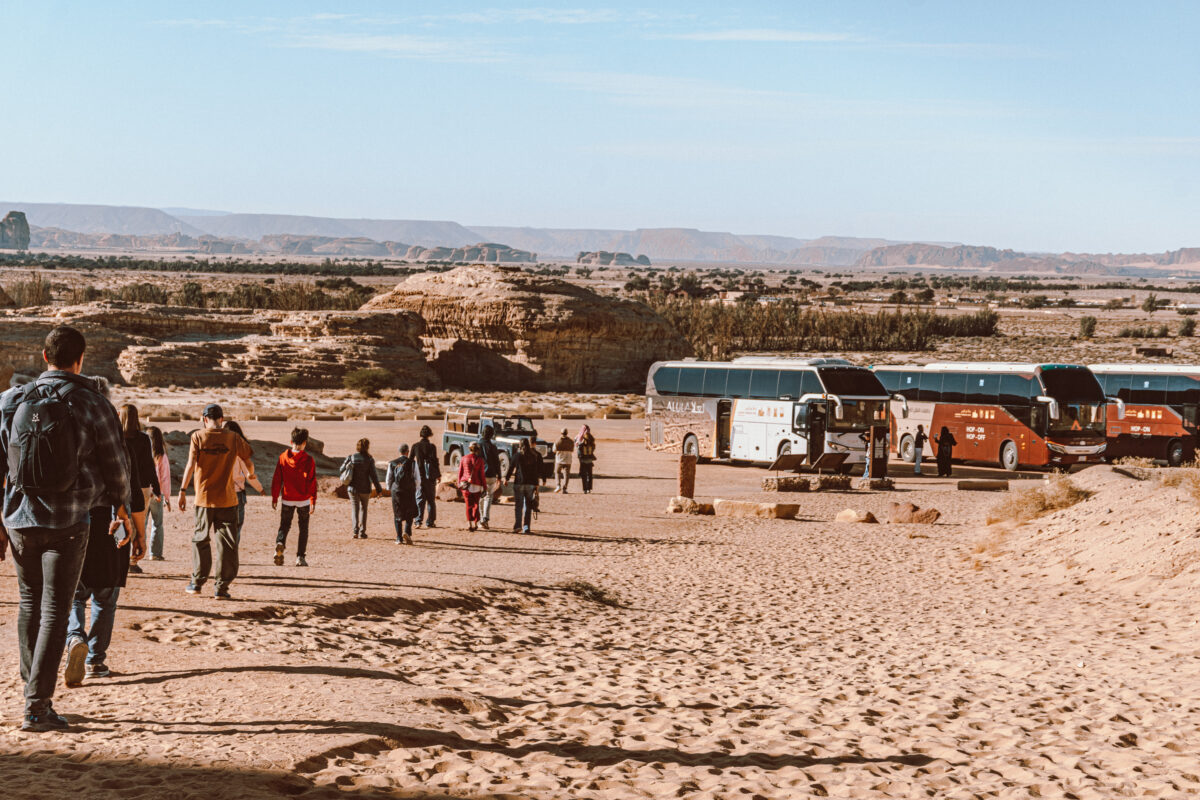
You must book a tour to visit Hegra. Unlike Petra, it’s too large to walk around and you cannot self drive. You must book a tour through the official website. They have multiple options including group tours on a bus or private tours in an open-air jeep. Expect to pay around 100 SAR for the group bus option. The tour will take you to the four stops of the Hegra with the third stop being the largest and most famous tomb being Qasr Al-Farid.
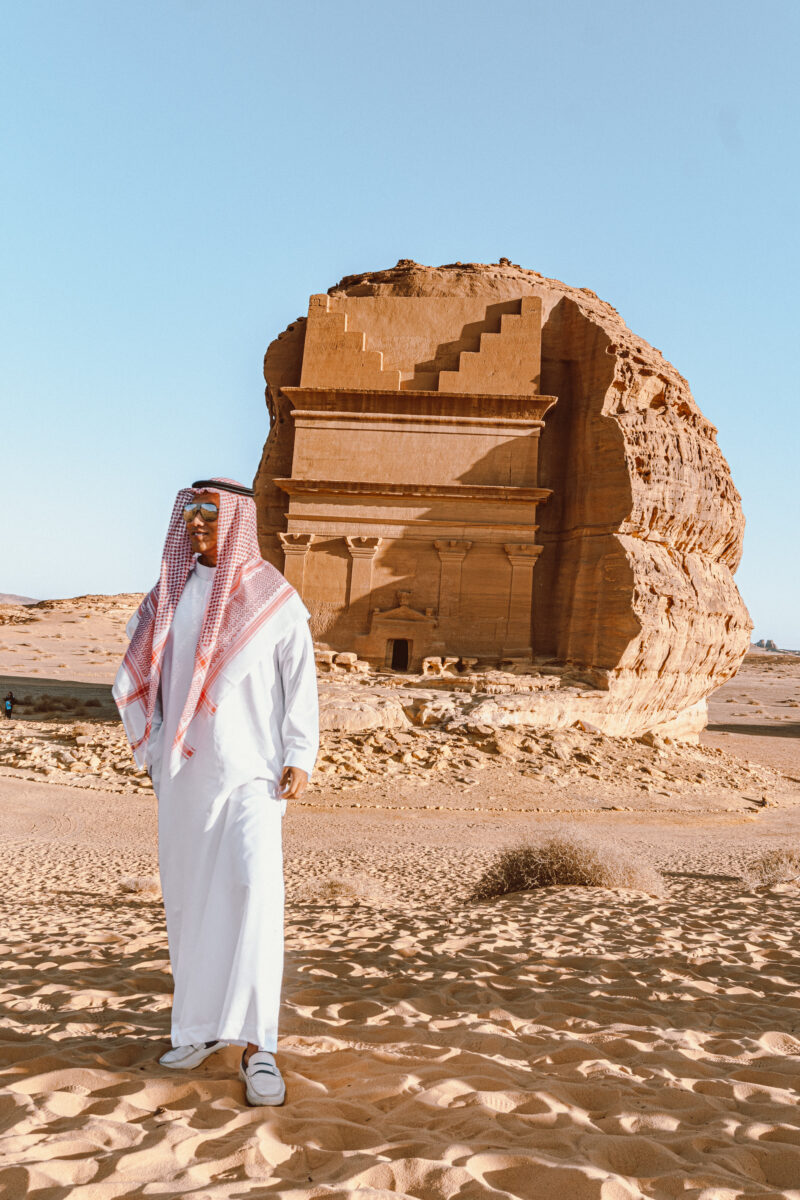
Our tour guide did a decent job of explaining the different parts of the ancient city including the meeting halls and tombs where they buried the dead.
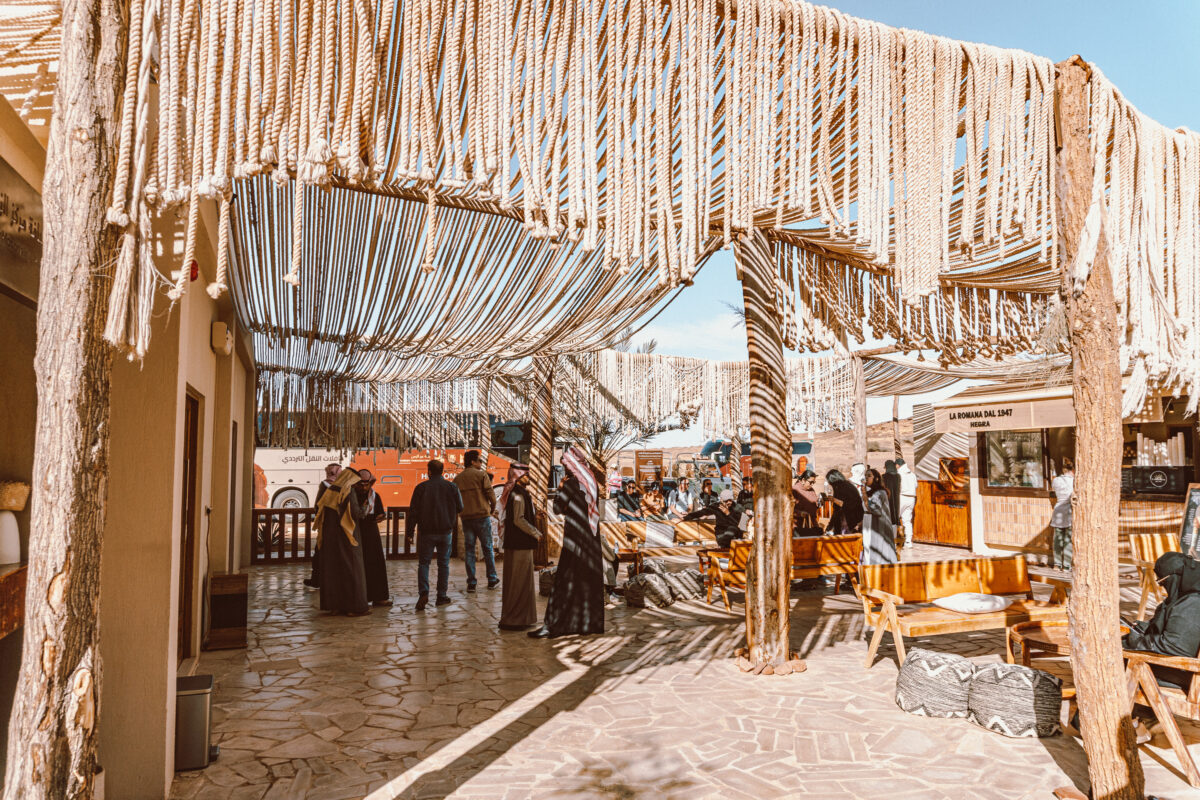
Overall, this tour lasts just under two hours. They are all the same and you cannot self-explore (not that you’d want to because of how spread out it is). It’s a must visit when you come to AlUla so make sure to book your tickets in advance.
Shalal Cafe in the Canyons
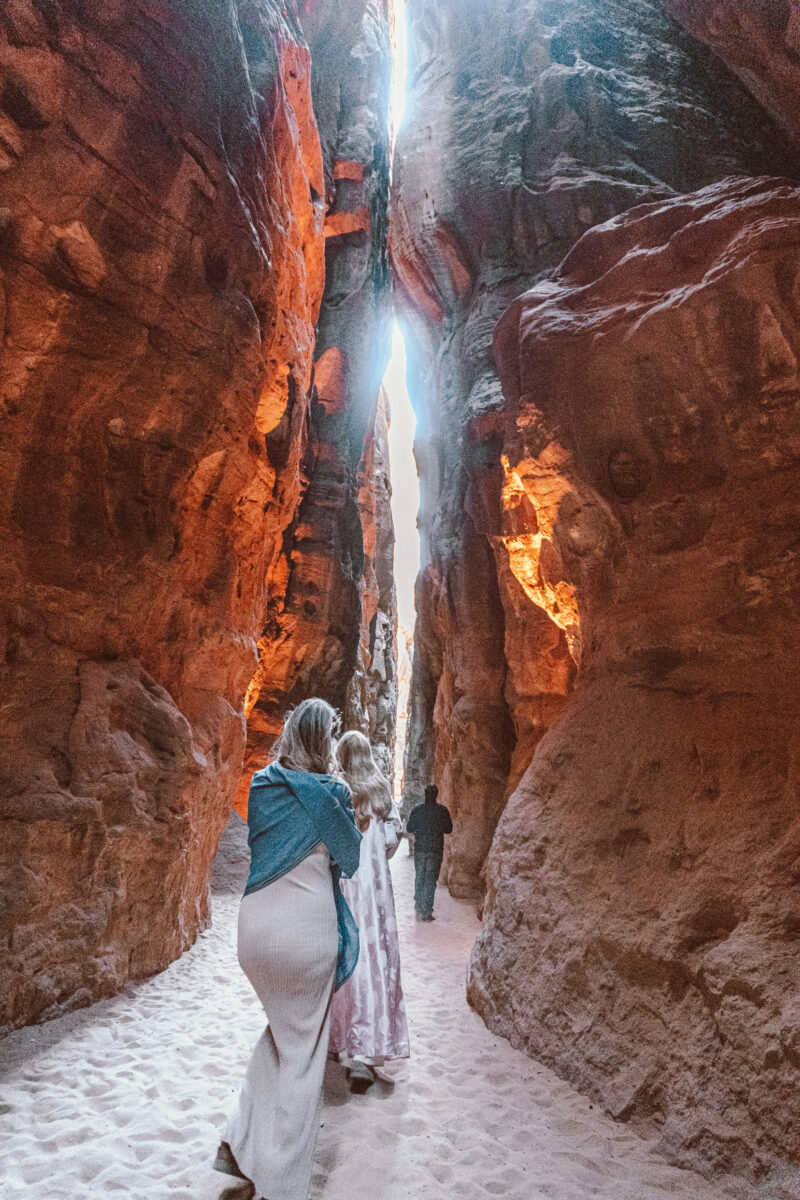
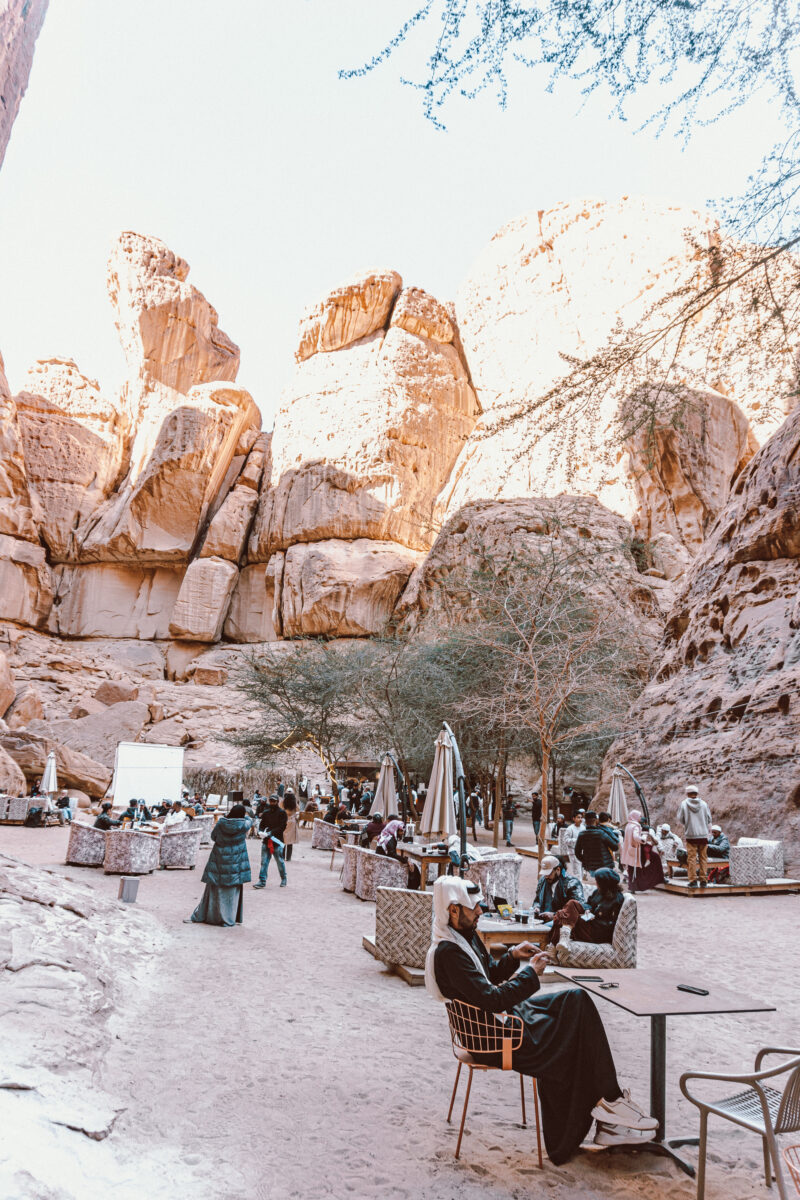
On your way to Hegra, make sure to stop at the Shalal cafe located in between a slot canyon. At the entrance, you’ll walk in between two narrow canyons reminding me of the Siq in Petra. At the end of this scenic walk with be a beautiful cafe located in a small valley between the rocks.
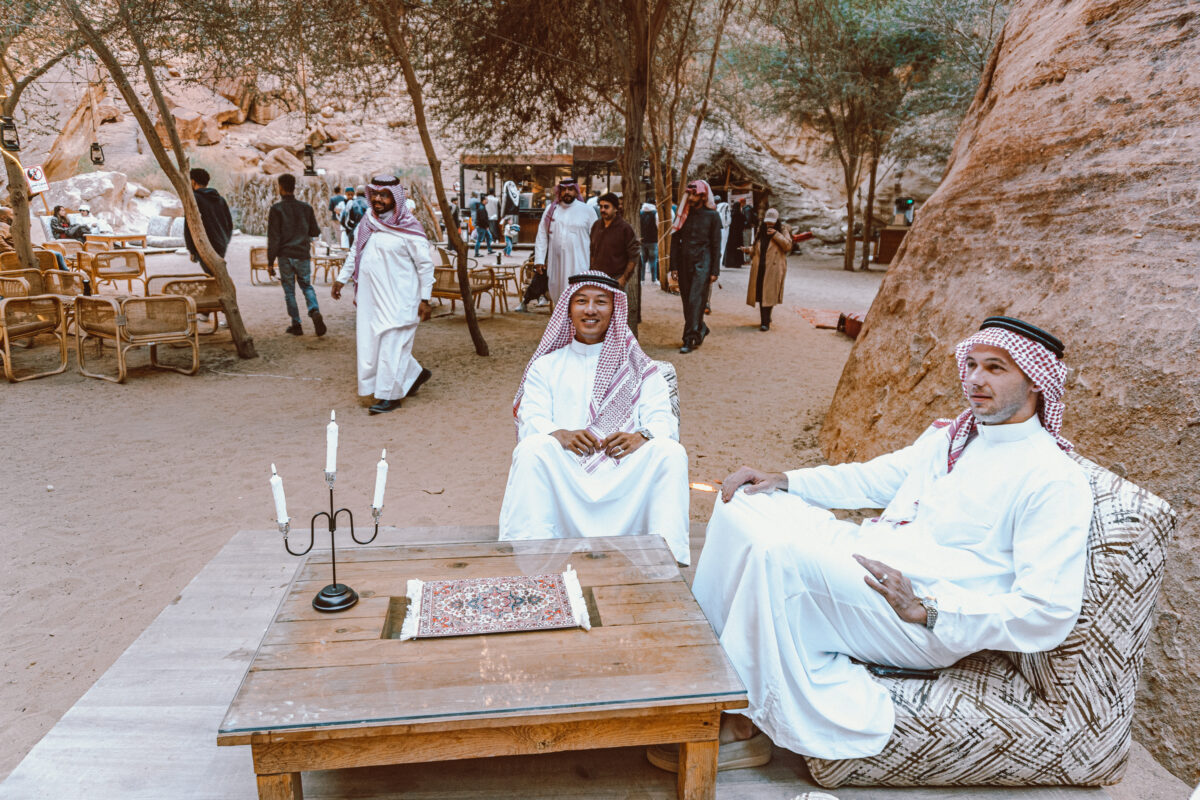
There are plenty of seats, great coffee, and a delicious local style flatbread to eat. This is a short stop (30m to 1h) but well worth it in my opinion!
Old Al’Ula: A Town Frozen in Time
Al’Ula isn’t just about its desert monuments. The old town itself offers a quieter, more intimate glimpse into life here. Narrow alleys wind between stone and mudbrick houses, many abandoned yet still beautiful, with the sun casting dramatic shadows across their weathered walls. I found myself wandering without a map, letting the streets lead me to small courtyards and hidden stairways that felt like discoveries rather than destinations.
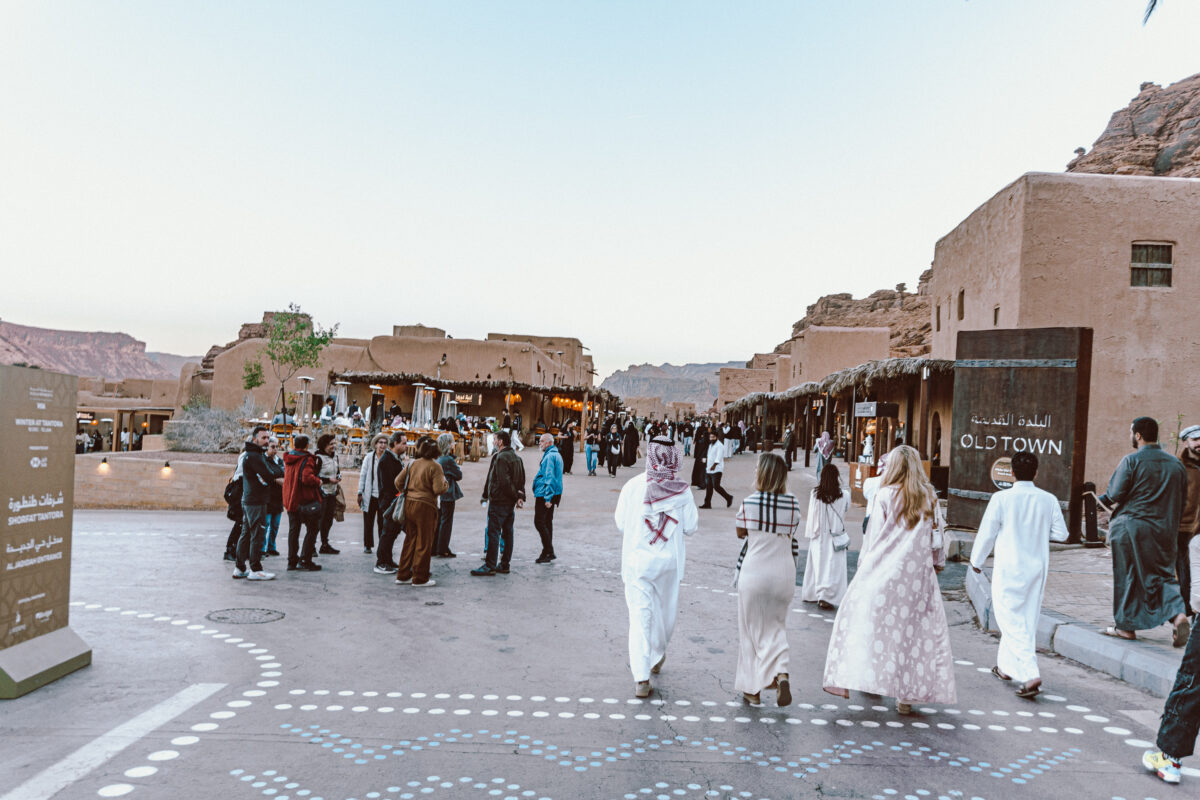
Locals have begun restoring parts of the town, and boutique hotels and galleries are thoughtfully integrated, so the area retains its authenticity while offering comfort. Like the old town of Jeddah, I made sure to visit the Old Town of Al’Ula during the day and at night for a nice contrast.
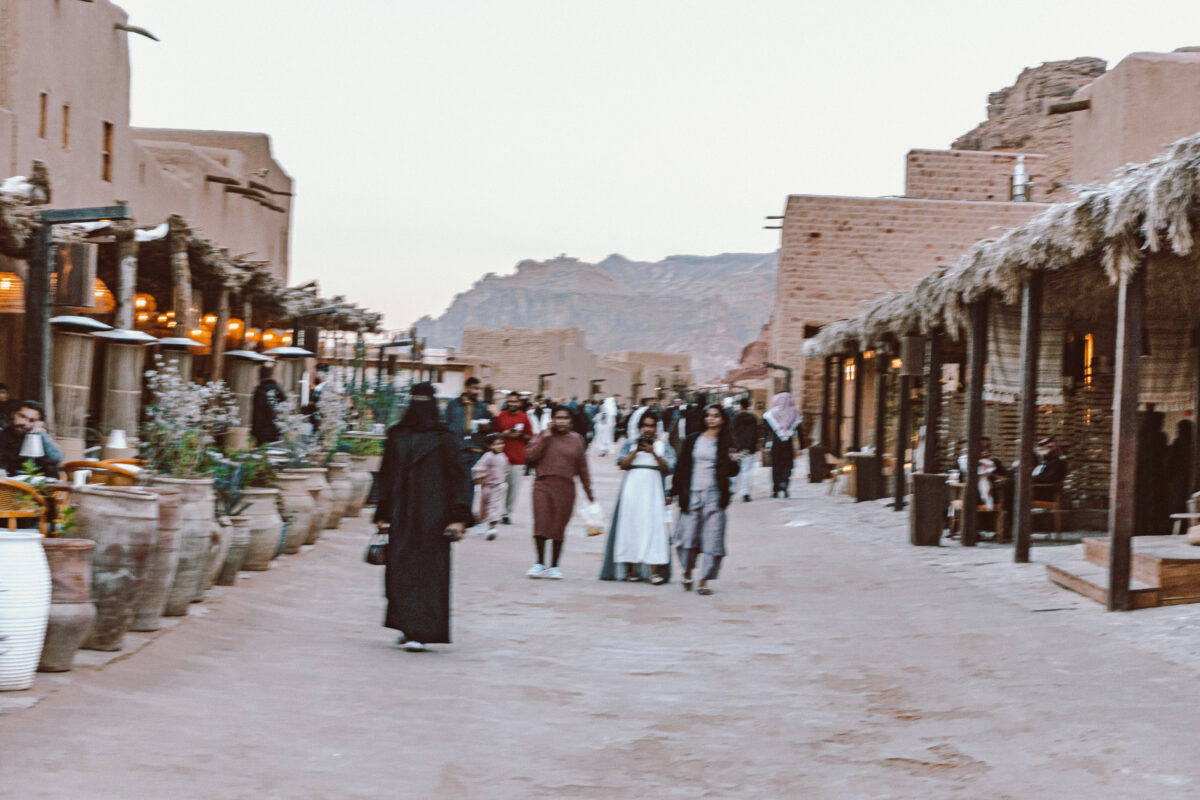
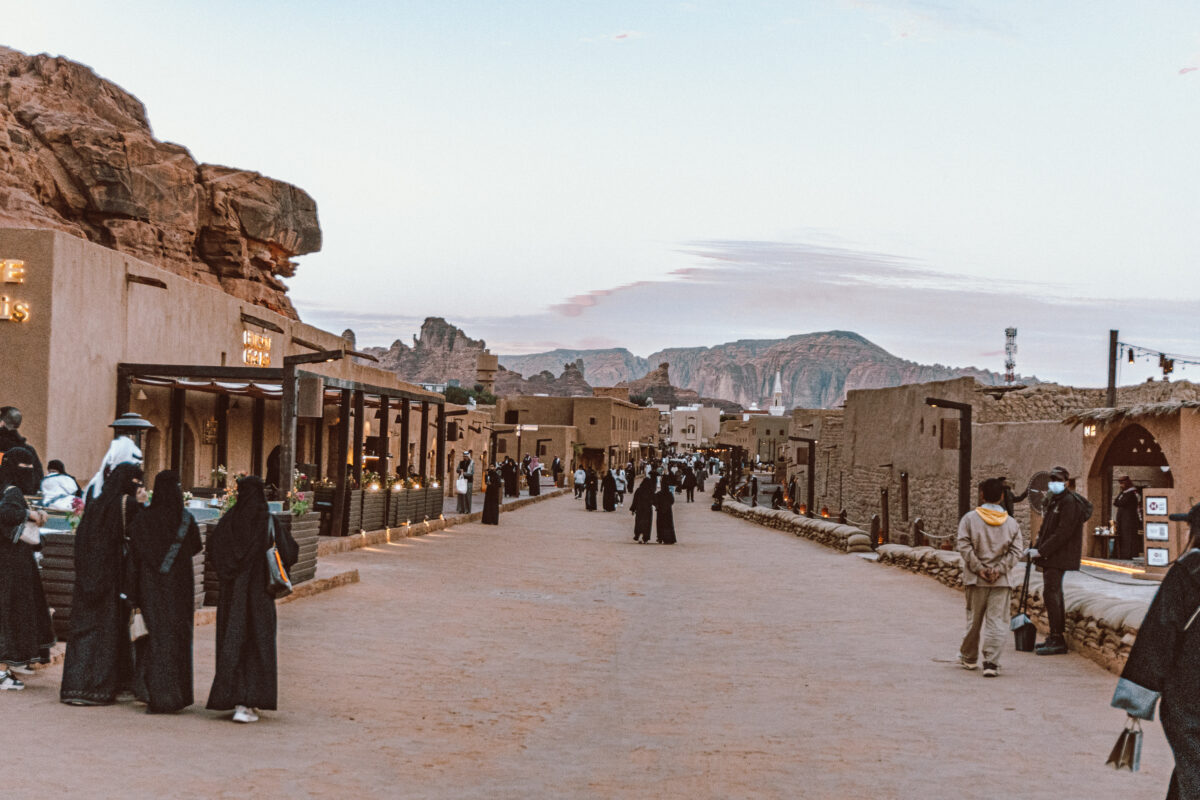
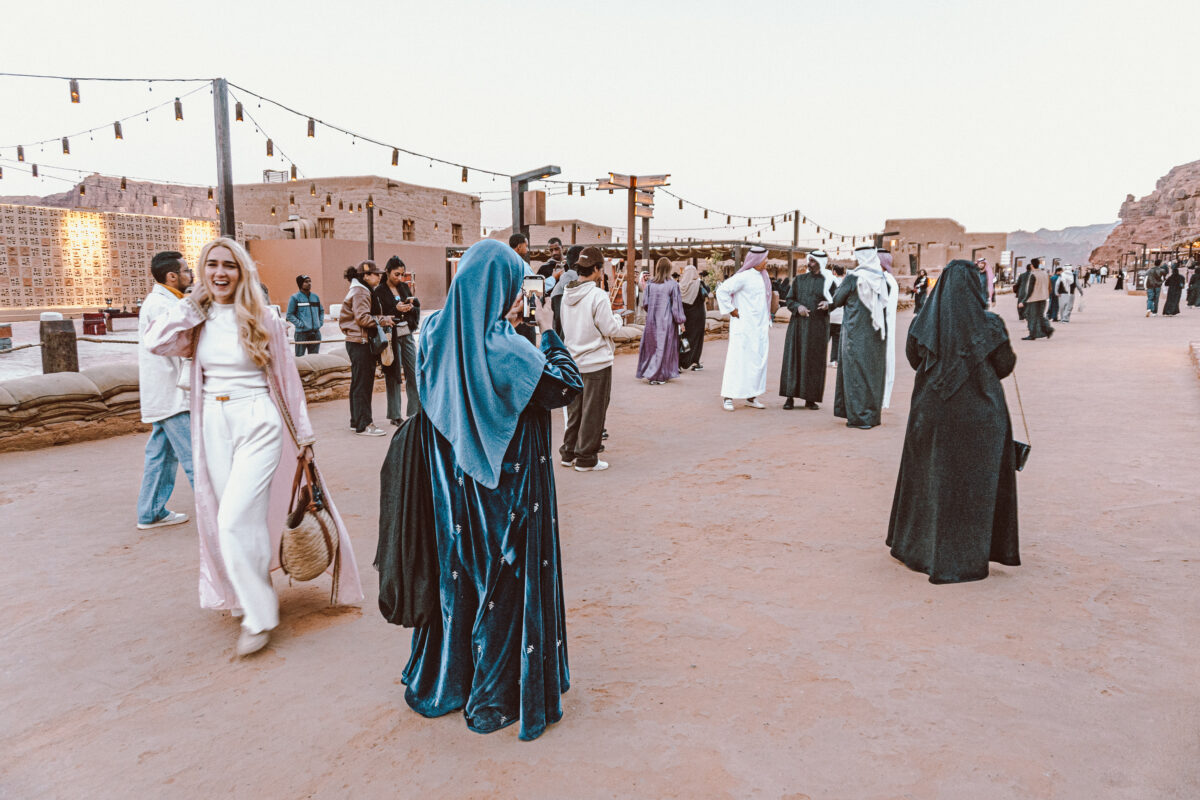
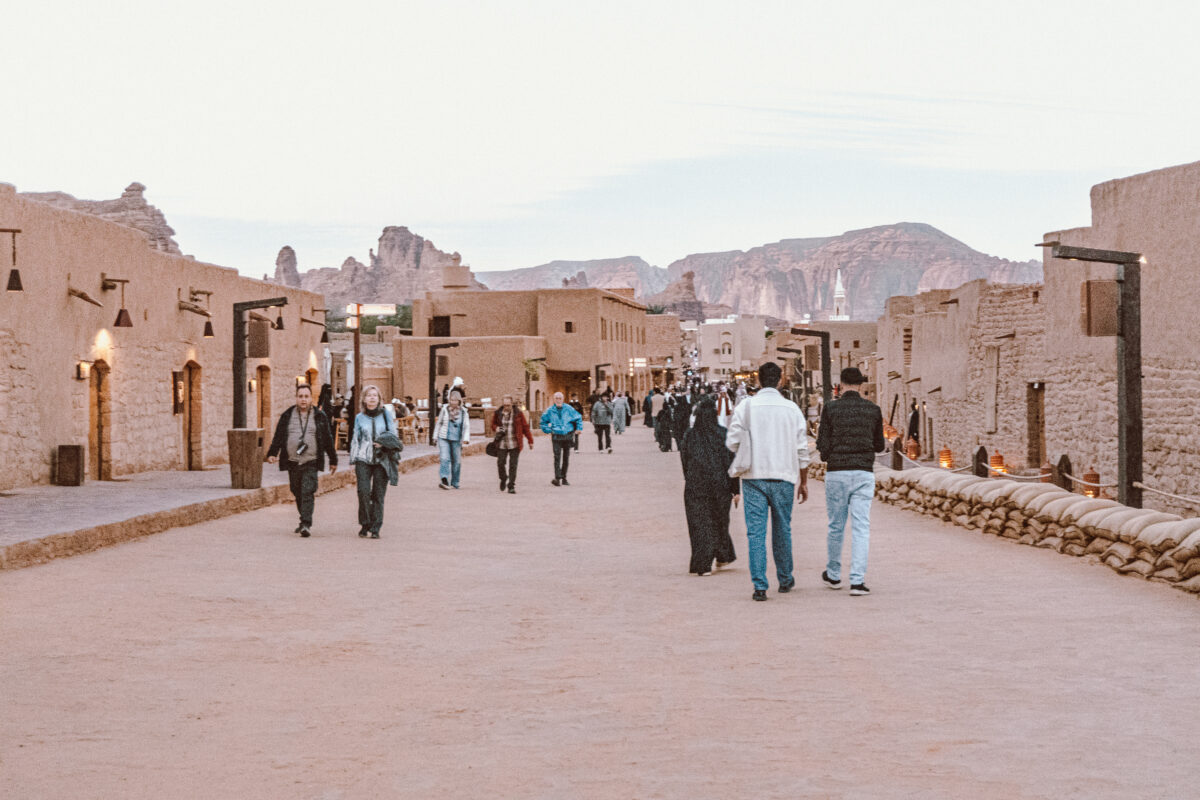
Old Al’Ula at night is a must. The colors and lighting the Saudis chose to highlight this special city is magic. The city lights up in a discreet, romantic, and charming way. Local tourists flood the promenade to enjoy their night out. Simply people watching at one of the many cafes is all I needed for a nice night.
Maraya Mirror Building
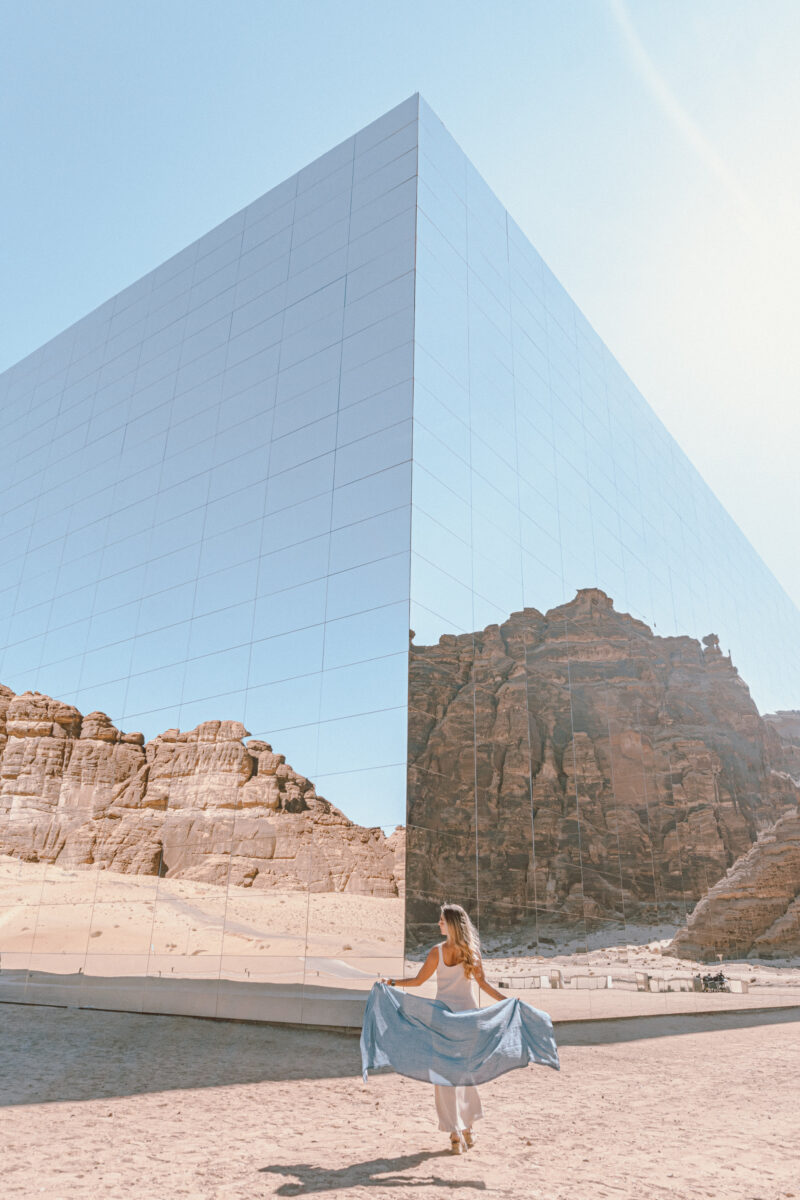
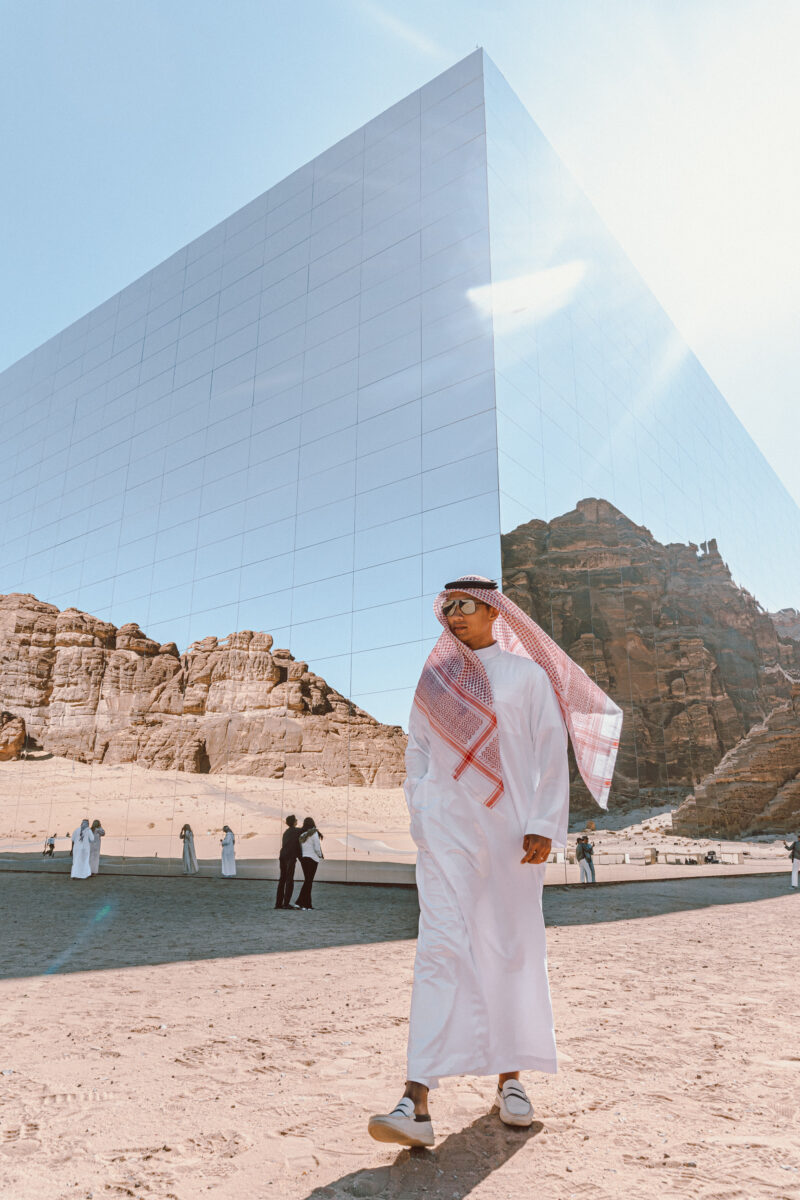
Al’Ula isn’t only about ancient history. The Maraya Concert Hall is a striking modern addition, a mirrored building that reflects the desert and cliffs around it so seamlessly that it almost disappears into the landscape. I visited during the day and couldn’t stop marveling at how the architects had played with light and reflection. At night, it transforms into a glowing jewel, hosting concerts, exhibitions, and cultural events that feel as grand as the desert itself.
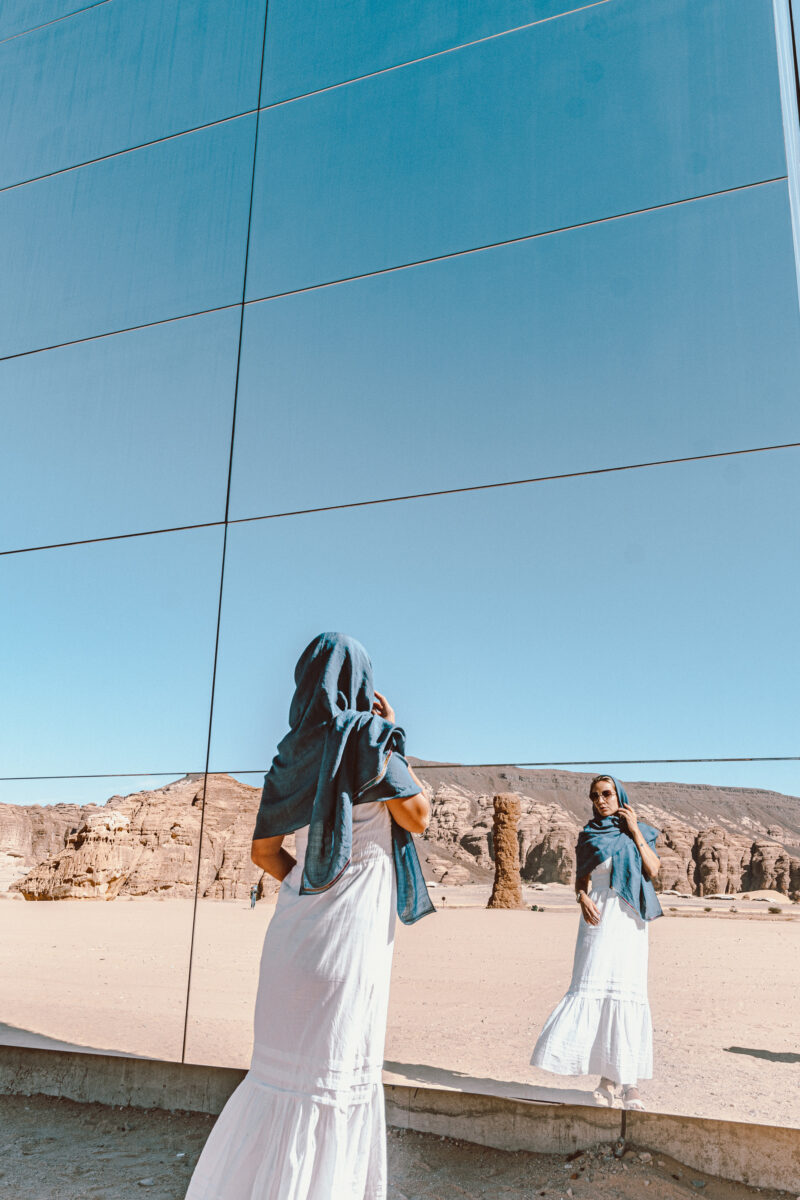
The Maraya is the perfect place to take stunning photos. As it is the largest mirrored building in the world, you can play with some beautiful angles and get stunning photos with the Ashar valley in the backdrop.
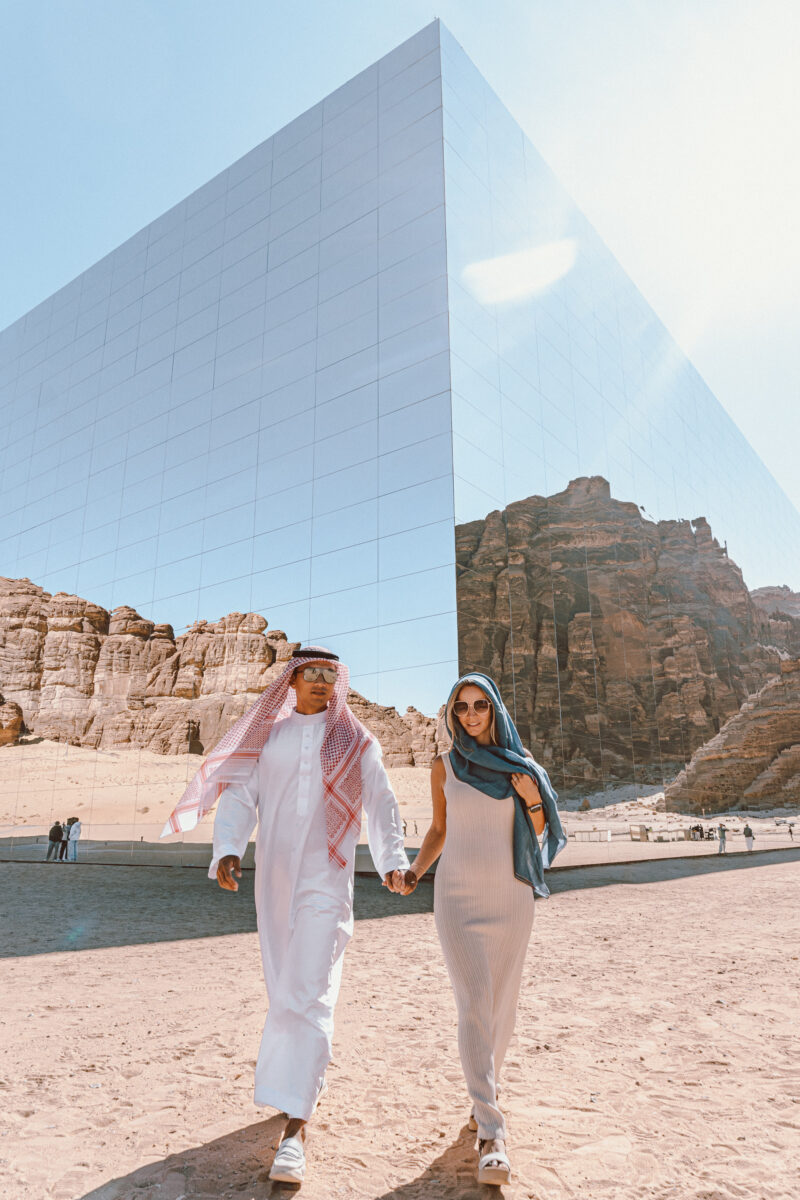
The best time of day to visit the Maraya is in the middle of the day when the sun is at its highest. That way, the entire building is lit up and you get the brightest reflection from all sides. I preferred the northwest corner of the building which is covered with sand on all sides. It highlights the desert vibe and makes you feel like you’re alone in the desert.
Staying at the Banyan Tree Al’Ula
Al’Ula is home to a collection of luxury resorts including the Banyan Tree, Our Habitas, Chedi, and Dar Tantora. We ultimately settled on Banyan Tree which appeared to be the most luxurious from our research.
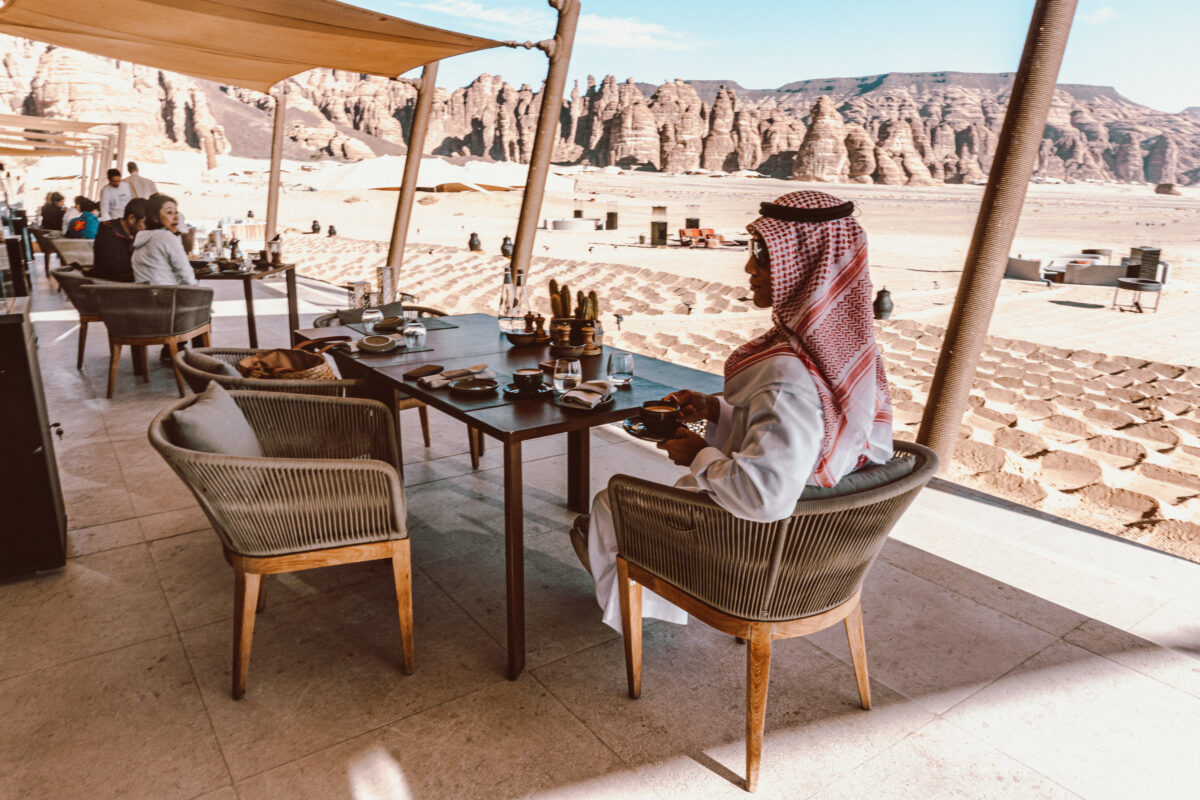
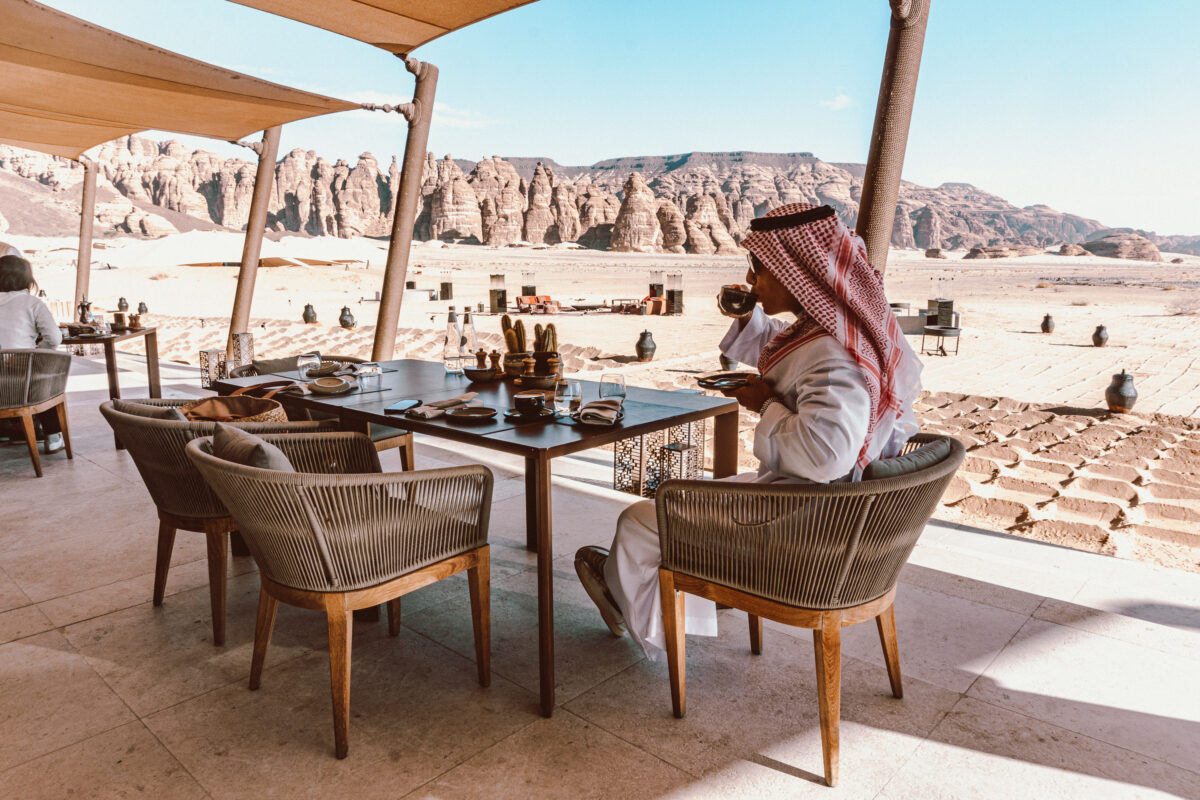
We were not mistaken and definitely picked the most luxurious resort after visiting all the other properties. The Banyan Tree picked one of the most picturesque spots in the Ashar Valley. Its 50 luxury villas are perfectly located to take advantage of the stunning Wadi-rum like views.
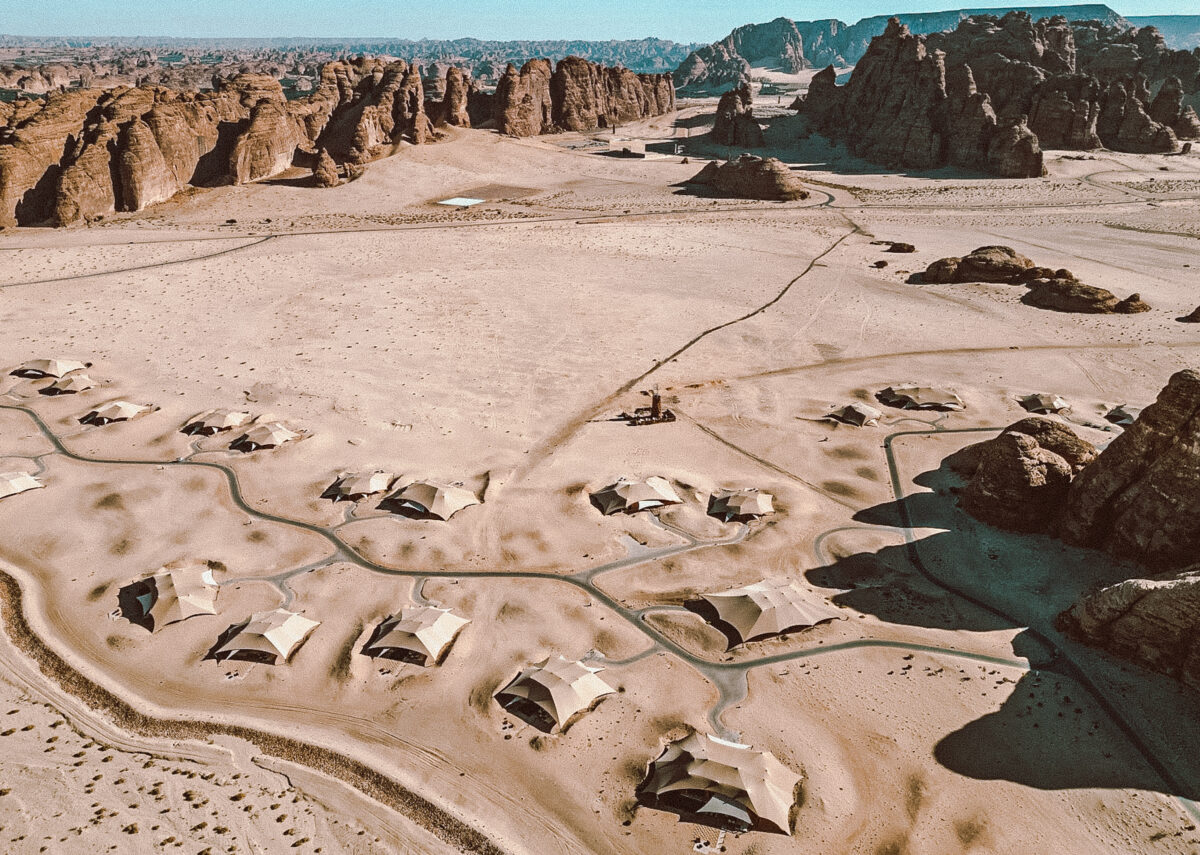
We stayed here for two nights and absolutely loved the location and stunning natural beauty. The service was slightly lacking for a place of this price range but ultimately we loved our stay as it was pure luxury.
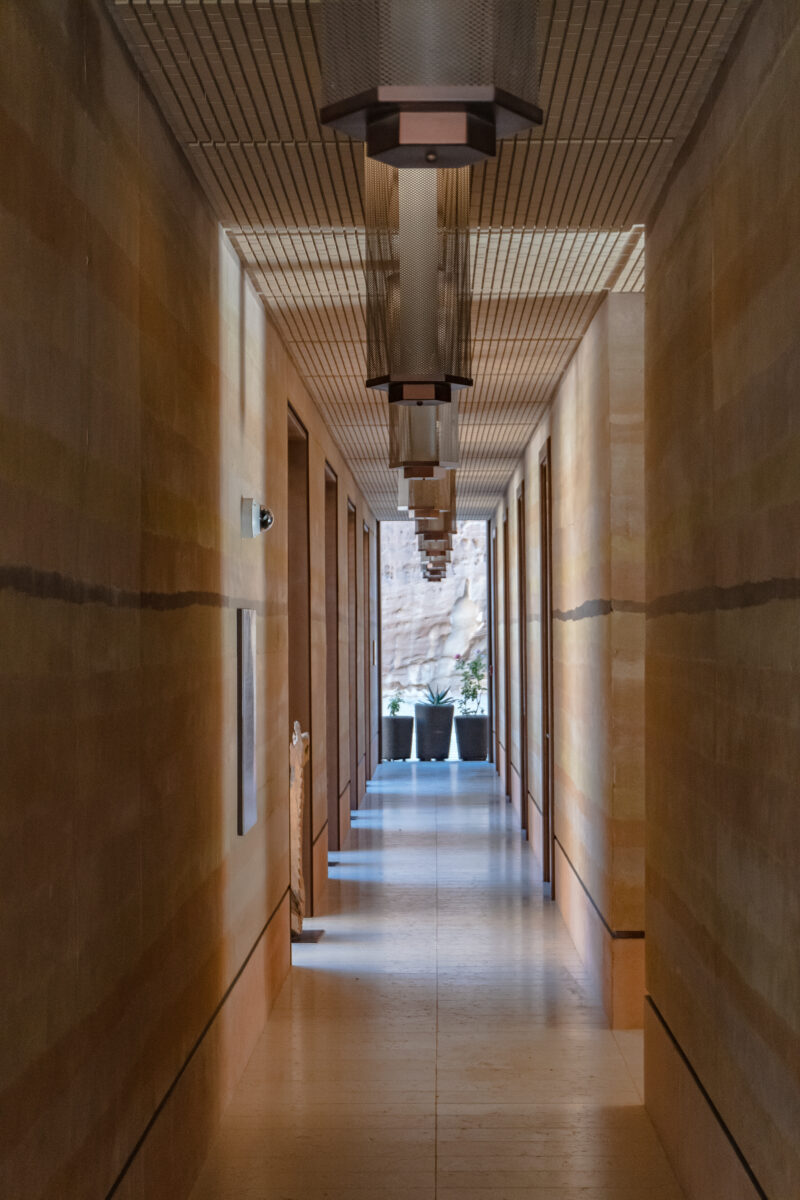
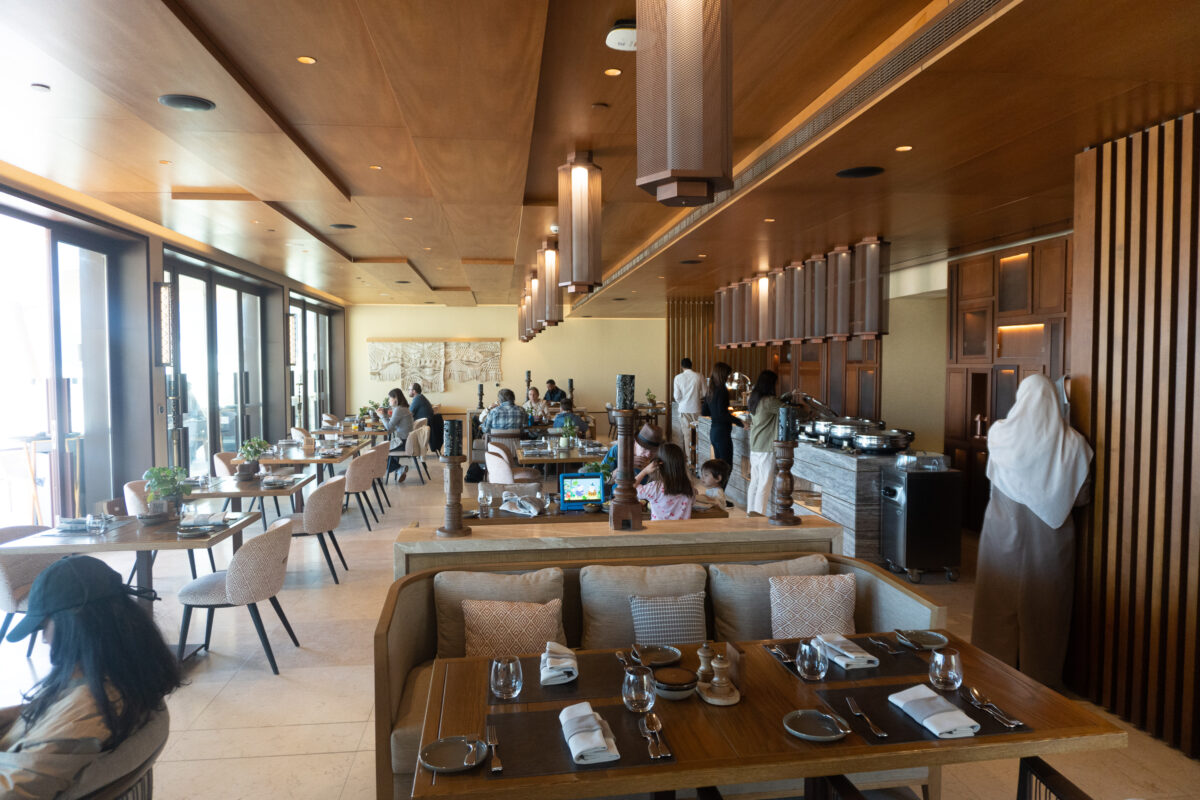
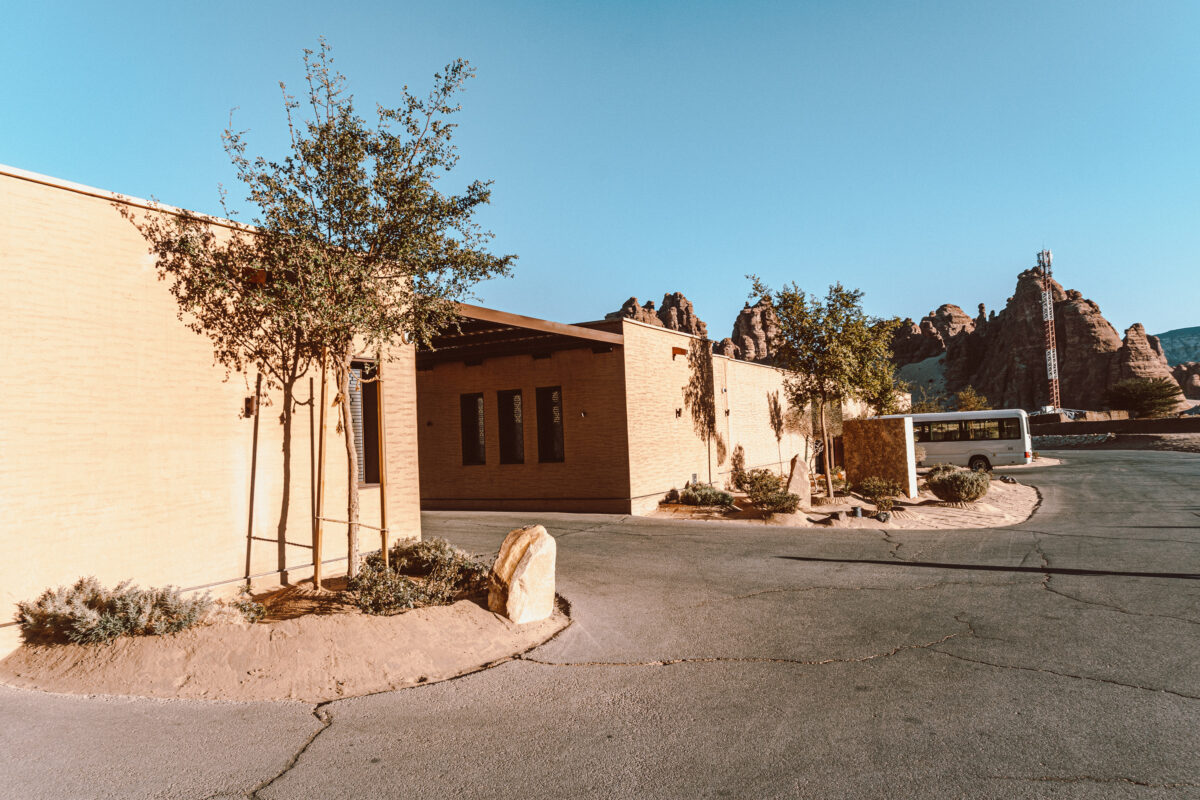
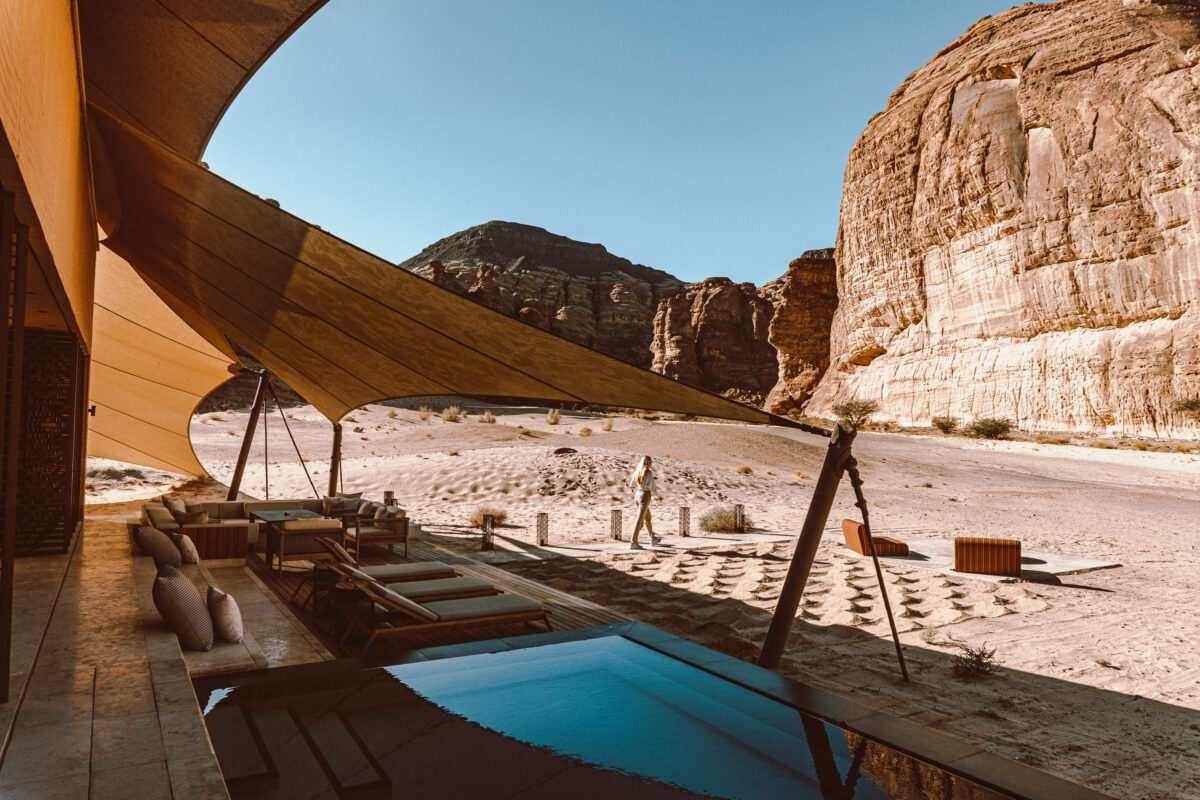
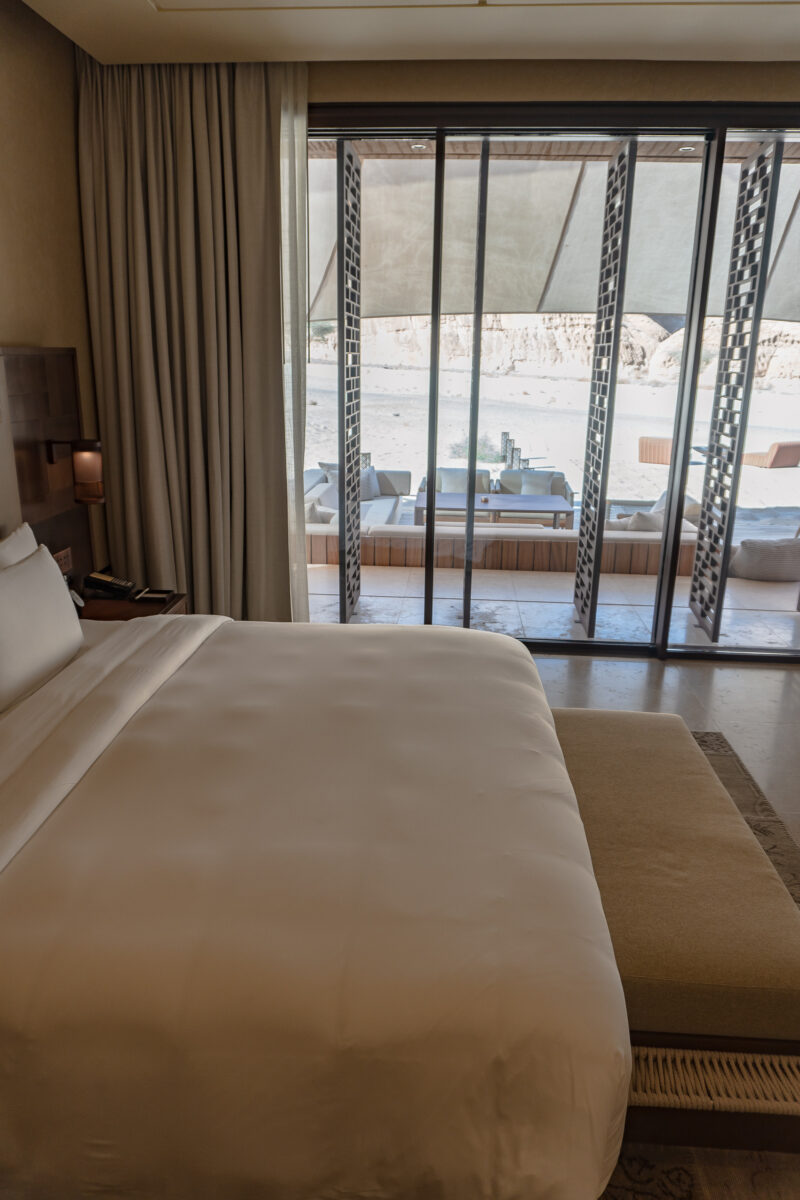
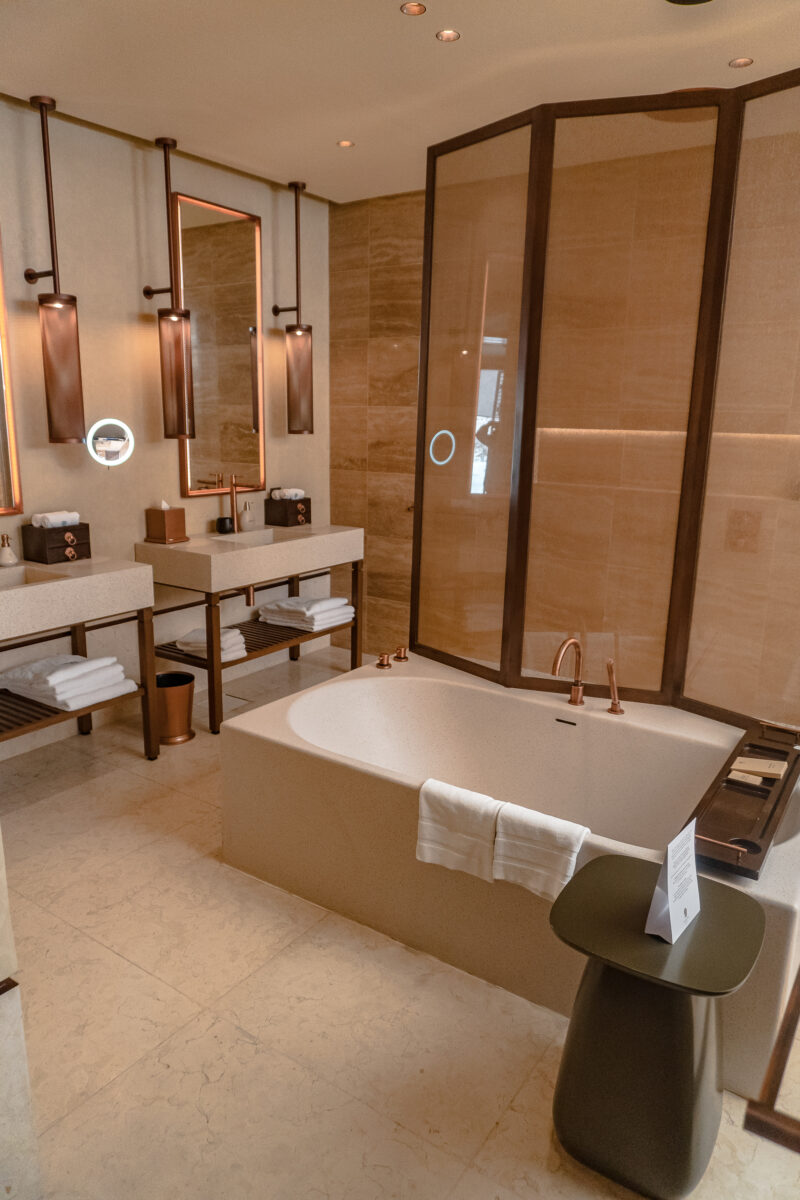
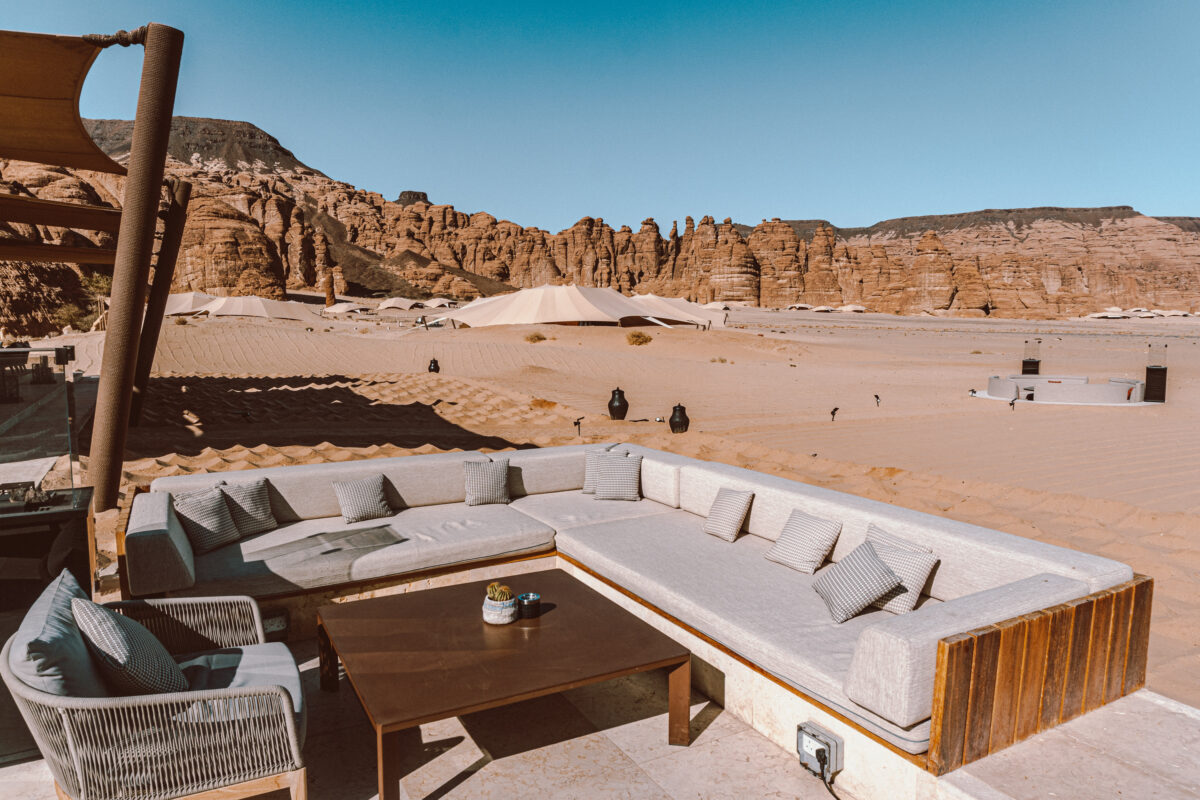
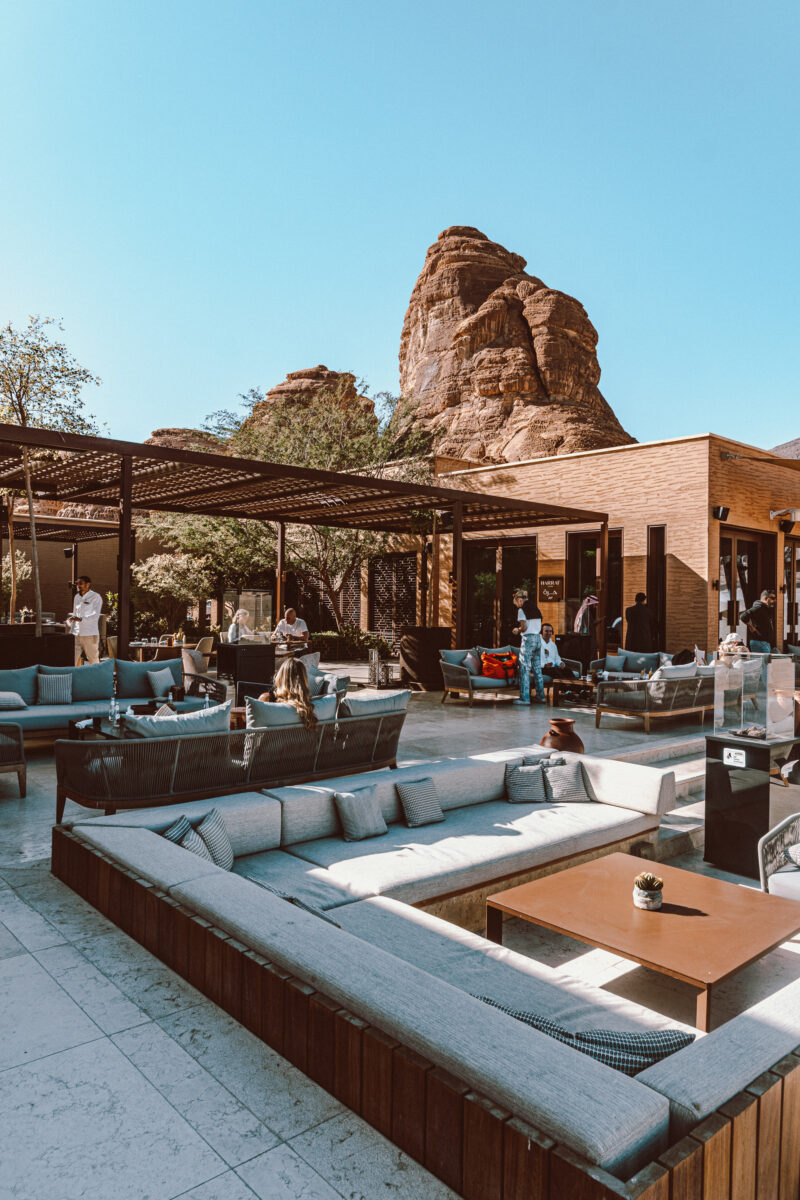
Neighboring 5* resort Our Habitas is another popular option. They both share the same location in the Ashar Valley and the Habitas has their famous pool overlooking the valley. Overall, I felt like Banyan Tree was more luxurious especially given the similar price points.
Day 7-9: Riyadh
From Al’Ula, we took a flight on Flynas to Riyadh where we spent our last few days in the Kingdom.
Riyadh is the heartbeat of modern Saudi Arabia, and you feel it the moment you arrive. Skyscrapers scrape the sky while ancient forts quietly anchor the city to its desert roots. The city and country are rapidly transforming and you can see that with the absolutely insane amount of cranes.

Historically, Riyadh was little more than a desert oasis, a strategic settlement for the local tribes. Its rise to prominence began in the 18th century and accelerated dramatically in the 20th century when the Saudi royal family made it the Kingdom’s capital. Today, it’s not only a political center but also a hub for commerce, culture, and innovation. I couldn’t help but notice that every modern building, every highway, and every museum seems designed to tell the story of a nation that is both rooted in its past and eager to embrace the future.
Exploring the Old City: Masmak and Al Turaif
Riyadh’s history is best felt in its old neighborhoods. Masmak Fortress, for instance, is a vivid reminder of the city’s past. I spent a morning exploring its thick mudbrick walls, towers, and courtyards, imagining the battles and negotiations that took place here.
But Riyadh’s historical tapestry stretches beyond the city itself. A short drive north takes you to Al Turaif, a UNESCO World Heritage Site in Diriyah. This mudbrick town was the original home of the Saudi royal family and the capital of the first Saudi state. Walking through its restored streets felt like stepping back into the 18th century. I wandered past crumbling walls and open courtyards, imagining life in a town that had once been the center of politics, trade, and religion in the region. The contrast between the quiet historical ruins of Al Turaif and the bustling metropolis of Riyadh was striking — it’s a reminder that the Kingdom’s story is as layered as its landscapes.
Modern Marvels and Cultural Hubs
Riyadh is ambitious in both scale and vision. The King Abdullah Financial District is a skyline of sleek towers and futuristic architecture. I took a walk among them one evening and was struck by the contrast: centuries of history just minutes away, yet here was a city staking its claim in the 21st century with confidence and flair.
The National Museum of Saudi Arabia is another highlight. I spent hours there, drawn in by the way it narrates the country’s journey from prehistoric Arabia through the Islamic era and into modernity. The exhibits are immersive, with everything from ancient artifacts to multimedia displays. It’s the kind of museum where I found myself lingering, curious to learn just a little more about each period, each story, each innovation.
Kingdom Centre and Panoramic Views
No trip to Riyadh is complete without visiting the Kingdom Centre Tower. Known for its bottle opener shaped skyscraper, this building symbolizes the growth and modernity of Saudi’s capital.
At the top of this building is a bridge that doubles as the observation deck. For a price of 140 SAR, you can take an elevator up and enjoy the unending views of Riyadh. Alternatively, simply admire the building from the ground level or from a distance while in the Olaya district.
The Edge of the World
If you want to experience Riyadh’s desert in a way that feels almost mythical, the Edge of the World is an absolute must. I joined a guided tour that took us deep into the Tuwaiq cliffs, and the views were nothing short of breathtaking. You’ll need a book a guided tour for the Edge of the World as you go off-roading in a 4×4.
I saw many pictures of the Edge of the World tour before visiting and I must say that the view did not disappoint. From the cliffs, you are 1km above sea level and you can see directly as far out in the distance as possible. Some of the rocks have a sheer cliff drop allowing for stunning photos and viewpoints. The place was very crowded (many hundreds of people) but as it was so expansive, you had plenty of space to find your own view and enjoy the sunset.
Neighborhoods, Cafés, and Everyday Life
Riyadh isn’t just about landmarks and museums. It’s a city to feel as much as see. I loved spending time in neighborhoods like Tahlia Street, where cafés, restaurants, and boutique shops bring a cosmopolitan energy. Here, you get a sense of Riyadh’s evolving lifestyle — a mix of local culture, international influence, and the palpable excitement of a city reinventing itself.
Even the parks and green spaces, like King Abdullah Park, offer a quiet reprieve from the urban pace. Walking there in the late afternoon, I noticed families, joggers, and groups gathering to enjoy the cooler hours, a reminder that Riyadh, despite its ambitious modernity, is very much a city shaped by people’s daily lives.
Riyadh’s Unique Appeal
What stayed with me the most was Riyadh’s duality. It’s ambitious and futuristic, yet deeply rooted in history. It’s formal and political, yet surprisingly approachable once you step into its streets and markets. Every corner tells a story, whether carved into ancient walls, displayed in a museum, or glimpsed from a sky-high observation deck.
For travelers, Riyadh is an education and an adventure. I found that the city rewards curiosity — the willingness to explore old alleys, marvel at skyscrapers, or stand at the edge of a desert cliff and feel the world stretch endlessly before you. It’s a city of contrasts, and it’s exactly those contrasts that make it fascinating, memorable, and unmistakably Saudi.
Historically, Riyadh was little more than a desert oasis, a strategic settlement for the local tribes. Its rise to prominence began in the 18th century and accelerated dramatically in the 20th century when the Saudi royal family made it the Kingdom’s capital. Today, it’s not only a political center but also a hub for commerce, culture, and innovation. I couldn’t help but notice that every modern building, every highway, and every museum seems designed to tell the story of a nation that is both rooted in its past and eager to embrace the future.
Day by Day Saudi Itinerary
Here is my itinerary on a day by day basis. I will also include some alternatives if I had more time to play with:
Day 1: Arrive in Jeddah, explore the old town
Day 2: Full day in Jeddah including Red Sea Corniche, Floating Mosque, and more of the old town
Day 3: Fly to Al’Ula, evening at Elephant Rock
Day 4: Morning breakfast at Joontos restaurant in the Al’Ula old town, check into Banyan Tree hotel
Day 5: Full day at Banyan Tree hotel, visit the Maraya building down the road
Day 6: Morning at Banyan Tree hotel, afternoon tour to Hegra stopping at the Shalal cafe on the way. Dinner in Al’Ula old town
Day 7: Morning in Al’Ula with afternoon flight to Riyadh
Day 8: Explore Riyadh in the morning, sunset tour to the Edge of the world
Day 9: Full day exploring Riyadh, night time flight home
Two week itinerary for Saudi Arabia
If i had two full weeks in Saudi Arabia, I would have definitely explored the area around the Yemen border. The pictures of the landscape and surroundings like beautiful.
I think if you don’t plan on staying at a super nice hotel in Al’Ula, you probably don’t need to spend 4 days there. There is plenty to see and I love the charm of the old town but three days is enough for the region.