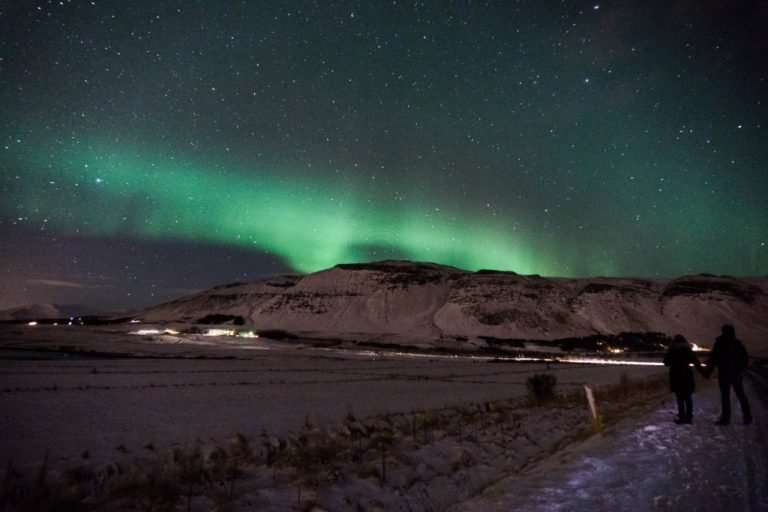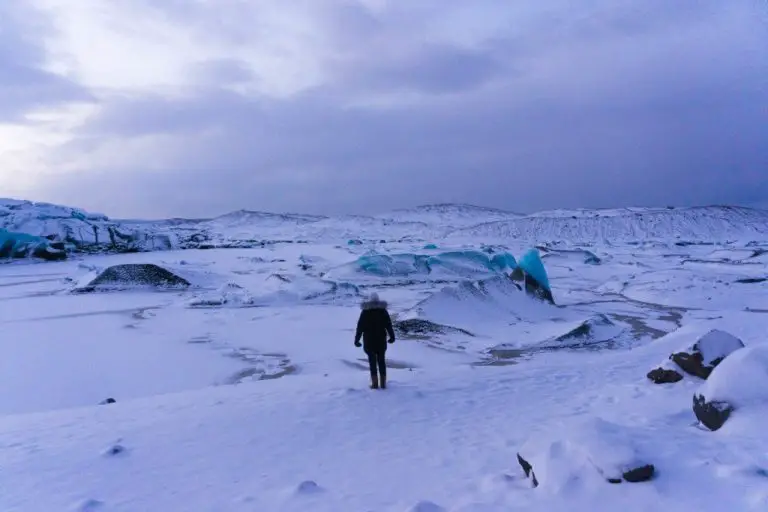


Traveling through Iceland by road is undoubtedly an unforgettable experience for daring travelers. But doing so in a 4×4 motorhome elevates the trip to a new and unique experience.

A motorhome not only offers complete freedom to explore at your own pace, but it’s also comfortable, fully equipped, and gives you the ability to reach the most remote corners of the country without having to worry about weather conditions or other factors that a normal vehicle can’t.
Get ready to discover everything you need to plan your trip to Iceland and how to enjoy the most epic country and all the natural destinations it has to offer.
Why choose a 4×4 motorhome for your road trip in Iceland?
Believe it or not, Iceland is a trip where you’ll likely face many unpredictable weather conditions. Therefore, with a 4×4, you’ll be better equipped to handle rain, snow, or wind, and navigate safely through difficult terrain.
Another advantage is that, unlike 2×2 campers, 4×4 motorhomes are designed to navigate safely over gravel roads, uneven terrain, and trails only suitable for all-wheel-drive vehicles.
In addition, this type of vehicle allows you to combine the comfort of traveling with built-in accommodation and kitchen facilities, and the freedom to access areas where hotels or other accommodations are scarce. These vehicles are perfect for tourists looking for a travel experience without limitations and in direct contact with nature.

Tips for Planning a Motorhome Trip in Iceland
To avoid setbacks and make the most of your trip, be sure to plan your motorhome route through Iceland well. To do this, there are certain things you should keep in mind before setting off.
Required Documentation
To drive in Iceland, you’ll need a valid driver’s license, preferably one that’s been held for at least one year.
Also, if your license isn’t in the Latin alphabet, it’s a good idea to also carry an International Driver’s Permit. You should also keep in mind that to drive a 4×4 motorhome, you only need a valid driver’s license (type B) and be over 20 or 23 years old, depending on the provider.
Recommended Insurance
Conditions in Iceland can be extreme. Therefore, you need insurance that covers gravel damage, crosswinds, tires, windshields, and roadside assistance. Therefore, check your policy carefully and consider expanding your coverage if you plan to drive off-road or on F roads.
Fuel and Gas Stations
Distances can be long, and gas stations are scarce in certain areas. It’s best to refuel whenever you have the opportunity. Additionally, many gas stations operate automatically, so you’ll need a credit card with a PIN to pay.
Camping Regulations
Wild camping is prohibited in most of the country, so don’t do it without making sure it’s permitted. Remember that you can only spend the night in designated areas or registered campsites, as these regulations seek to protect the natural environment and must be followed to avoid fines and penalties.
What to Bring if You’re Traveling Off the Grid
If your plan includes off-traffic areas or extended stays in nature, it’s important to bring thermal and waterproof clothing, non-perishable food, a flashlight, a power bank, solar chargers, drinking water, and basic tools.
Preparing in advance will allow you to explore Iceland with peace of mind, enjoying every stage of your trip without any setbacks. Good planning makes the difference between a complicated trip and an unforgettable adventure.
Rent a 4×4 Motorhome with Motorhome Iceland
When it comes to exploring Iceland freely and safely, choosing the right 4×4 motorhome provider is very important and one of the reasons why many tourists don’t enjoy the experience.
Motorhome Iceland is one of those companies that inspires confidence from the first contact, boasting local expertise, well-equipped vehicles for challenging routes, and quality, always-on customer service. They also offer 4×4 models designed for changing climates and challenging terrain, ideal if you plan to get off the beaten path and explore wilder areas.
So, to access Iceland’s more remote areas safely, I used rent a 4×4 camper with Motorhome Iceland, a reliable local company with solid gear and support..
7-Day Ring Road Tour of Iceland by 4×4 Campervan
Making a travel plan is the best way to explore the island freely, especially if you want to get off the beaten path and explore remote landscapes. So, with this Ring Road Tour of Iceland by 4×4 Campervan, you’ll have all the sights and activities you can do while you’re visiting.
Day 1: Reykjavik → Golden Circle
For your first day of adventure, leave Reykjavik early and head to Thingvellir National Park, where you can walk between tectonic plates and discover hidden waterfalls like Öxarárfoss. After that, continue to the Geysir geothermal area, where the Strokkur geyser erupts every few minutes, providing a visual spectacle.
End the day at Gullfoss, one of the most impressive waterfalls in the country and definitely a must-see. Also, if you’re traveling in the summer and have a 4×4, you can consider a detour to Kerlingarfjöll on Highway F35, a mountainous area with volcanic landscapes and hot springs.

Day 2: Hveragerði → Vík
Start in Hveragerði, a town famous for its geothermal activity, where you can hike through the Reykjadalur Valley and soak in its natural hot springs.
En route to Vík, visit the photogenic Seljalandsfoss, a waterfall you can walk behind, and the majestic Skógafoss, ideal for a viewpoint climb.
Finally, before reaching Vík, stop at the Dyrhólaey cliff and the black sand beaches of Reynisfjara, famous for their basalt columns and rock formations. Here, the power of the Atlantic is impressive.

Day 3: Skaftafell → Jökulsárlón
For your third day, drive along one of the most beautiful stretches of road in the south, bordering the Vatnajökull glacier. And if the weather permits, take guided ice walks on Skaftafell, within Vatnajökull National Park.

Then continue to Jökulsárlón, the spectacular glacial lagoon where icebergs float, where you can take an amphibious boat tour or simply walk along the shore. Directly opposite is Diamond Beach, where blocks of ice glisten on the black sand.
- 4×4 Extra: If you’re well-equipped and the weather is stable, you can detour off road F985 to Skálafellsjökull, a little-known spot with unique views of the glacier.
Day 4: East Fjords
This day is about leaving the south behind and entering the less-traveled area of the country. Drive through the spectacular East Fjords, a region full of curves, viewpoints, and small fishing villages like Djúpivogur or Fáskrúðsfjörður, with French roots.
Make stops to spot reindeer (frequent in this area), hike along coastal trails, or explore hidden waterfalls like Klifbrekkufossar in the remote Mjóifjörður Valley.
Day 5: Lake Mývatn
Head north to the Lake Mývatn region, one of the most geothermally active spots in the country. Visit the Hverir area, with its bubbling mud pools, and the Dimmuborgir lava formations.
You can relax at the Mývatn Nature Baths, a quieter alternative to the Blue Lagoon. It’s also a good day to visit the Hverfjall crater or take a hot spring bath in the Grjótagjá cave, used in Game of Thrones.
- By 4×4: You can take a detour to Dettifoss, one of Europe’s most powerful waterfalls. Access via Route 864 or 862 is best done by off-road vehicle.

Day 6: Akureyri → Hvitserkur
Drive to Akureyri, the northern capital. While there, stroll through the city center, visit the botanical garden, or take a whale-watching excursion from the nearby village of Húsavík.
Then continue to the Vatnsnes Peninsula, home to Hvitserkur, a peculiar dragon-shaped rock formation. This area is also excellent for seeing seals and enjoying the secluded landscapes.
Day 7: Snæfellsnes Peninsula → Reykjavik
To conclude your trip, explore the Snæfellsnes Peninsula, considered a miniature Iceland due to its varied landscapes. Afterward, visit Ytri Tunga Beach, the Saxhóll Crater, the photogenic Kirkjufell, and if you still have energy, take a hike on the Snæfellsjökull Glacier.
This area is excellent for making the most of your 4×4 campervan and capping off the trip of a lifetime. Finally, return to Reykjavik in the afternoon or spend the night in the area to rest before returning your vehicle.

Optional: Detours on secondary roads or highlands
If you’re traveling in the summer and the weather permits, you can include Route F to places like Landmannalaugar, Askja, or Kjölur. These routes are only accessible by 4×4 vehicle and offer volcanic, thermal, and completely isolated landscapes.
This itinerary combines adventure, unique landscapes, and flexibility, ideal for those renting a 4×4 campervan in Iceland. Each day offers something different and authentic, designed to make the most of every corner of the country without rushing, but with a clear direction.
Tips for Driving and Camping with 4×4 Vehicles in Iceland
Traveling through Iceland in a 4×4 campervan allows you to reach remote and spectacular places that would otherwise be out of reach. However, the Icelandic terrain is challenging, and weather conditions can change in a matter of minutes. Here’s a practical guide to driving and camping safely and respecting the environment.
Know and Respect Local Traffic Signs
Traffic signs in Iceland are clear, but if you’re unfamiliar with them, it’s easy to miss important warnings.
Some indicate natural hazards such as rockfalls, livestock crossings, areas of high winds, or unpaved roads. So, if you see a 4×4 icon on a sign, it means only that type of vehicle can travel on that road, which is common on F roads.
Speed Limits
The general speed limit is 90 km/h on paved roads and 80 km/h on gravel roads, but it’s wisest to adjust your speed to the road and weather conditions. Furthermore, there are many speed cameras, and fines can be steep.
How to Drive on Gravel, Snow, and Ice
If you’ve never driven on gravel before, slow down, keep both hands on the wheel, and avoid sudden braking. If there’s snow or ice, use high gears to avoid wheel spin and maintain a greater distance from other vehicles. Your 4×4 will give you extra traction, but not invulnerability: black ice is a major cause of accidents.
Use local tools before hitting the road
Two essential websites for any driver in Iceland are:
- road.is: provides information on road closures, road surface conditions, and warnings for sandstorms, snow, and extreme winds.
- SafeTravel.is: offers safety warnings, real-time weather alerts, and allows you to record your itinerary for emergencies.
Checking these platforms every morning before you head out can make the difference between an unforgettable adventure and a dangerous situation.
Camp Legally
Wild camping with motorized vehicles is not permitted outside of designated campsites or designated areas, so we recommend using apps to find authorized spots. Always respect camping regulations and pick up all your waste to preserve Iceland’s beauty.
Prepare an Emergency Kit
Bring an emergency kit with a thermal blanket, flashlight, drinking water, non-perishable food, a portable charger, and a small shovel. Remember that having insurance that covers damage from gravel, wind, or water is also highly recommended.
Is a 4×4 Campervan Worth It in Iceland? Final Thoughts
If your plan is to explore beyond the Golden Circle and delve into the wild heart of the country, a 4×4 campervan in Iceland is not only worth it, it’s a necessity.
Furthermore, the Icelandic weather is unpredictable, and having a 4×4 provides safety, traction, and greater ability to adapt to changes in terrain, whether on gravel, snow, or slippery slopes.
Of course, it’s not the most economical option, but if you value experience over budget, renting a 4×4 campervan in Iceland is the best way to discover the country with autonomy, flexibility, and a unique sense of adventure.
However, traveling in a campervan around Iceland, especially a 4×4, is one of the best ways to discover its most authentic side. And for tourists, it’s undoubtedly an un