



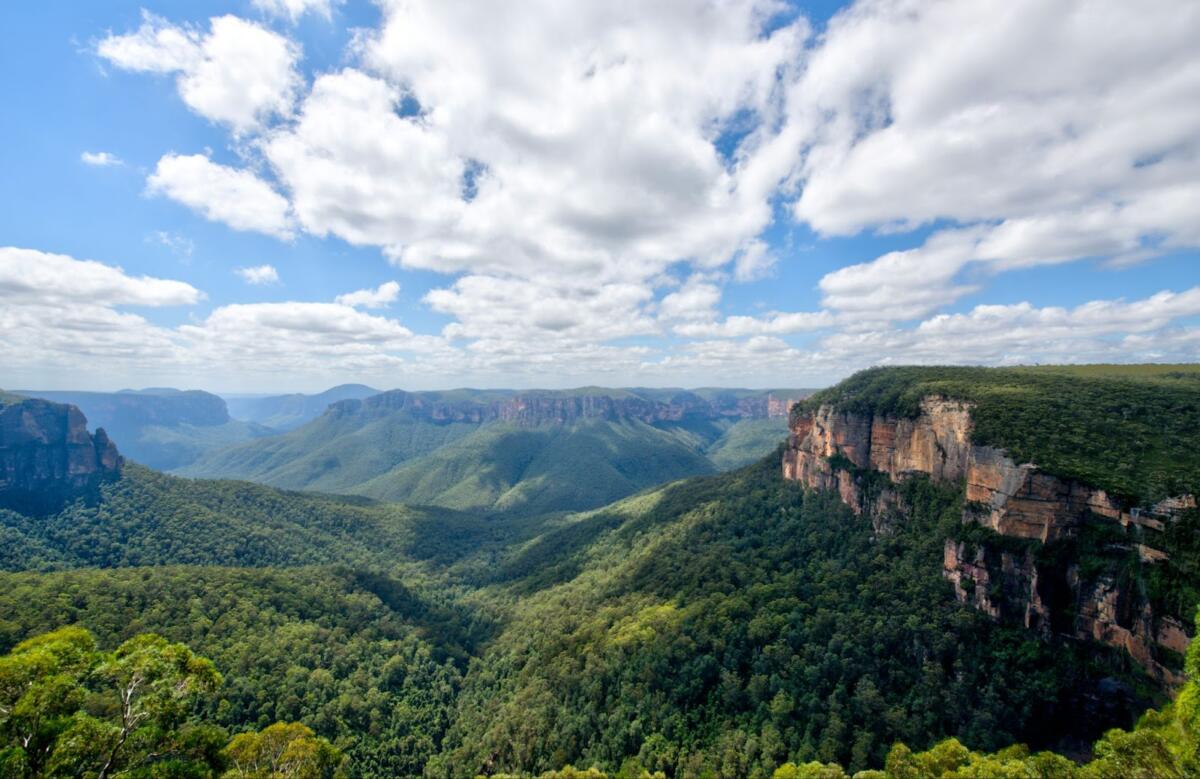
Australia is a country that boasts an incredible array of unique wildlife and plant life unlike any other in the world. The continent is known for its vast deserts, rugged coastlines, and dense forests, each providing a unique habitat for various species. Australia’s fauna is a sight, from the iconic kangaroos and cuddly koalas to the less-known wombat and Tasmanian devils. Similarly, its flora is diverse, including the towering eucalyptus, colorful wildflowers, and the distinctive Banksia plants. It is a must to experience these unique features while traveling to Australia to immerse oneself fully in the country’s beauty and wonder. Considering the adventurous nature of exploring Australia’s wild landscapes, securing travel insurance NZ to Australia is prudent to ensure peace of mind during your journey.
Australian Fauna
Kangaroos and wallabies
Among the most recognizable creatures in Australia, kangaroos and wallabies are marsupials that roam the country’s expansive grasslands. Visitors can observe these majestic animals at wildlife parks or in the wild, hopping across the landscape. Some areas, such as Kangaroo Island in South Australia, offer the chance to see these creatures up close and personal and interact with them.
Koalas
Possibly the most adored of Australia’s animals, the koala is a cuddly creature found in several regions, including parts of Queensland, Victoria, and New South Wales. In addition to observing them in the wild, many conservation parks and wildlife sanctuaries offer opportunities to interact with koalas, learn about their biology and behavior, and even hold them in your lap.
Wombats
One of Australia’s lesser-known creatures, the wombat, is a solitary creature that lives in caves in the forests and bushland. They are herbivores with strong teeth perfectly adapted for gnawing bark, and visitors can witness them in many reserves and national parks across the country.
Tasmanian Devils
Although they are marsupials, Tasmanian devils are known for their ferociousness, which is why they’re often associated with Looney Tunes’ animated characters. Visitors to Tasmania, Australia’s southernmost state, will have the chance to get up close and personal with these creatures and learn about the local conservation efforts.
Unique bird species
Australia is known for its wide variety of bird species, several unique to the continent. Home to known species such as the emu, kookaburra, and the bright green Australian parrot, there are abundant opportunities to observe these vibrant species while traveling around the country.
Australian Flora
Eucalyptus trees
Australia’s trees and shrubs are integral to its ecosystems. One species stands out because of its towering height and distinctive beauty: the eucalyptus tree. This tree grows in most Australian environments and has health properties that make it an essential part of the country’s unique flora.
Acacia trees
Another important tree species is acacia, which has over 1,000 varieties in Australia. It’s an adaptable tree that can grow under various conditions, essential for maintaining forest fire resilience.
Banksia plants
The Banksia plant is one of Australia’s most iconic species, renowned for its size and shape. These plants are essential for the country’s wildlife, providing shelter and food for possums, wallabies, rodents, and invertebrates.
Unique wildflowers
Wildflowers are abundant across the Australian landscape, with more than 20,000 species available to observe. Some of the most unique species, like the Sturts desert pea, kangaroo paw, and golden wattles, are incredibly vibrant and colorful, making them the perfect subjects for botanical photography.
Where to Encounter Australian Fauna and Flora
National parks and nature reserves
Some of Australia’s most striking national parks offer visitors the opportunity to encounter the country’s wildlife up close and personal. Protected nature reserves allow visitors to view unique bird species, wildflowers, and rare animal species, such as the Tasmanian devil, kangaroo, and koala, in their natural habitats.
Wildlife sanctuaries and zoos
Numerous wildlife sanctuaries and zoos exist throughout Australia, each offering visitors the opportunity to see unique flora and fauna up close. These wildlife parks serve an essential function in the country’s conservation efforts, helping to protect endangered species and reintroducing animals to their natural habitats.
Guided tours and experiences
Experiencing Australia’s unique flora and fauna is often best done through professional wildlife guide tours. These guides specialize in the country’s unique wildlife and can offer a plethora of knowledge about the creatures and plants of the area.
Tips for Encountering Australian Fauna and Flora
Exploring the rich tapestry of Australian fauna and flora is a thrilling adventure for any nature enthusiast. However, such encounters demand careful preparation and respect for the ecosystem’s delicate balance. Here are some essential tips to ensure a safe and rewarding experience: seniors travel insurance NZ is vital for providing coverage tailored to the specific needs of older travelers. Before embarking on your journey, obtaining comprehensive travel insurance tailored for seniors is crucial to mitigate any unforeseen risks and provide peace of mind throughout your exploration.
Safety precautions
It is incredibly essential to exercise caution when encountering Australian wildlife. Visitors should avoid contact with wild animals and, if necessary, do so through a trained park ranger or tour guide.
Respect for the wildlife and environment
Visitors should ensure they take the correct steps to respect the environment and the animals they encounter. Proper rubbish disposal and keeping noise to a minimum are some ways visitors can help keep the environment conducive to the animals.
Proper gear and clothing
Australia has diverse environments, making it essential to pack appropriate gear and clothing when traveling to specific regions. Proper footwear and clothing should be brought when visiting national park areas or encountering wildlife in the wild.
Conclusion
Experiencing Australia’s unique fauna and flora is vital, given the country’s rarity and non-existence anywhere else in the world. Visitors would not want to miss out on observing animals they may have only seen in zoos before or enjoying the distinctive flora and fauna. While observing these creatures and plants, it is essential to take necessary safety precautions, respect the environment and wildlife, and carry appropriate gear for the environment and conditions. Visiting Australia’s national parks, wildlife sanctuaries, and guided tours make the entire experience more enjoyable, but leaving without encountering the continent’s unique life forms is missing out on something extraordinary.