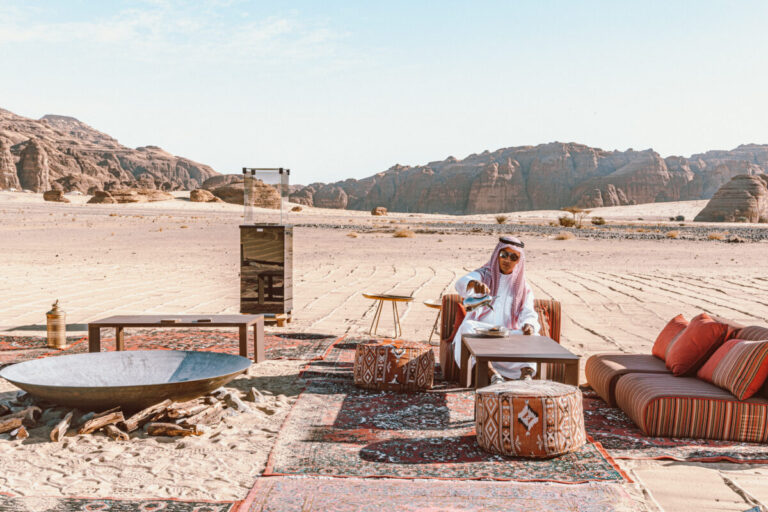


AlUla was a place I had been curious about for a while, but I wasn’t entirely sure what to expect before visiting. It’s often described as Saudi Arabia’s most impressive historical destination, and while that’s true, it also feels refreshingly low-key once you’re actually there. The landscape is vast and dramatic, the sights are spread out, and there’s a sense that tourism is still finding its rhythm, which made the experience feel more relaxed and authentic than I anticipated.

What stood out to me most was how seamlessly AlUla blends ancient history with modern infrastructure. You can explore Nabataean tombs carved into sandstone cliffs in the morning and be back at a design-forward café or luxury resort by the afternoon. Despite recent development driven by Saudi Arabia’s Vision 2030 initiative, AlUla never felt overdone or artificial. The scale of the desert keeps everything in check, and the focus remains firmly on the landscape and its history.
I spent a few days exploring AlUla as part of my Saudi Arabia itinerary. It was probably the main highlight of the trip. I made sure to travel at an unhurried pace, driving between rock formations, archaeological sites, and the old town, with plenty of stops along the way. This guide is based on my own experience and covers how to get there, how to get around, what’s actually worth seeing, where to eat, and where to stay. If you’re planning a trip to AlUla, this should give you a clear idea of what to expect and how to make the most of your time there.
How to get to AlUla
AlUla is conveniently connected by flight from the main hubs of Jeddah and Riyadh. There are even internatinoal flights from Dubai and likely more of these in the future as this destination blows up.
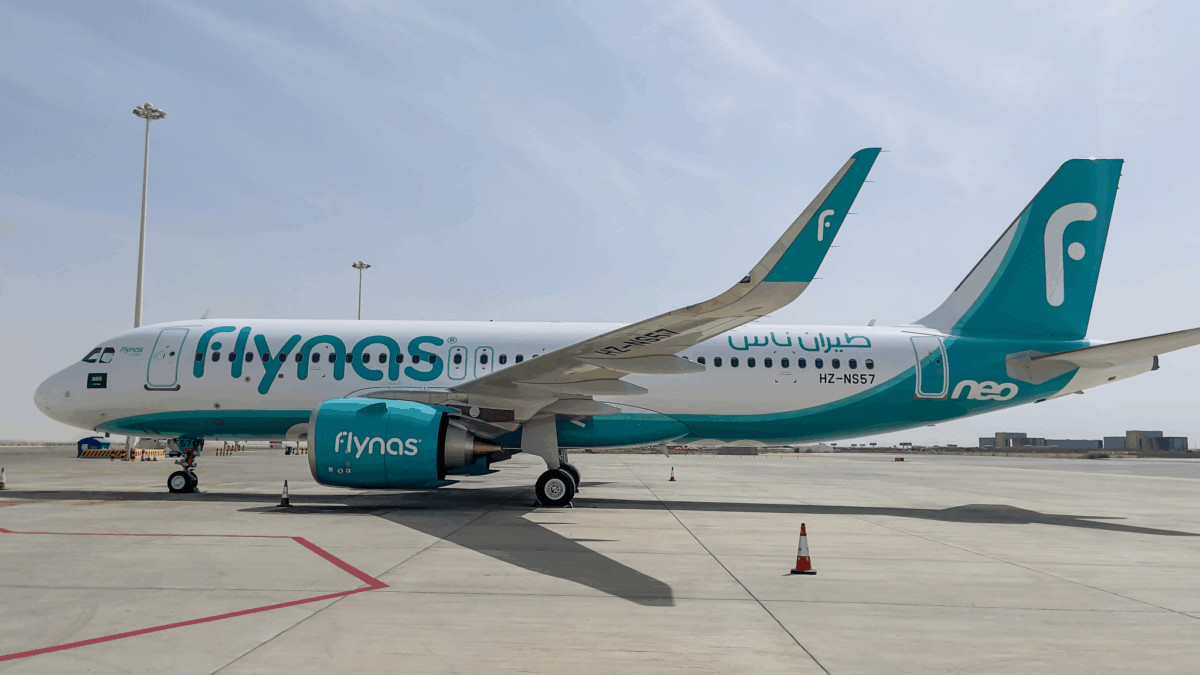
Currently, flights operate daily from Jeddah and Riyadh with FlyNas and Saudia. Make sure to book these well in advance as they fill up quick during busy times of year. I flew from Jeddah to Alula with 3 of my friends and when we arrived at the airport, they overbooked the flight and we never made our flight. Because of the timing, we decided to take a train to Madinah and rent a car to drive to AlUla.
By Bus from Madinah
The bus company NorthWest operates daily buses from Madinah to AlUla (5 hours) which is a cheaper way to do it. I’ve not met anyone that’s done this route before but I suspect as more tourists visit Saudi, more economical options will open up.
How to get around Al’Ula
Al’Ula is a vast space and you’ll need a car to explore it properly. From the airport to the old town is 30 minutes and to the tourist sights, another 20 minutes.
There are options to take public transportation around the area but they are not frequent and not as well connected to the major tourist sights as of now. You can book day tours with a guide to visit the main areas for a fee but personally, I prefer the freedom to come and go as I please.
Cars are not expensive to rent from the airport and the cost of gas is a paltry 2.2 SAR per liter ($0.60 USD). The roads are all in fantastic condition as well. A SUV will make the journey more comfortable but a standard sedan car is perfectly fine for the roads.
Brief History of AlUla
The Al’Ula region was once a crucial hub on ancient trade routes, linking southern Arabia with the Mediterranean and beyond. Caravans carried incense, spices, and precious goods through the narrow desert valleys, leaving behind stone settlements and tombs that still stand today.
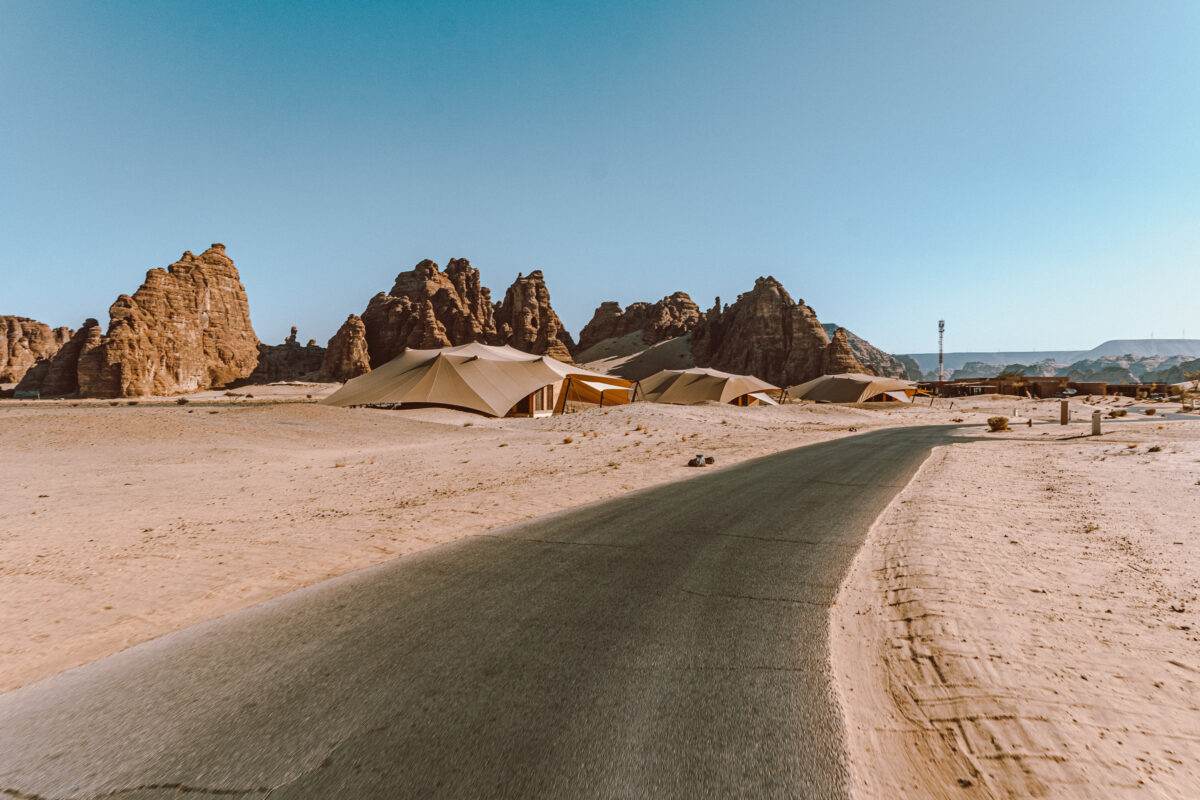
Tourism in Al’Ula is a relatively recent phenomenon. For decades, Al’Ula was mostly visited by archaeologists or pilgrims making the trek inland. The Saudi government’s Vision 2030 initiative has transformed it into an accessible destination, with roads, boutique hotels, and cultural programming that allow visitors like me to explore safely and comfortably, without feeling like the modern world has intruded on the magic of the landscape.
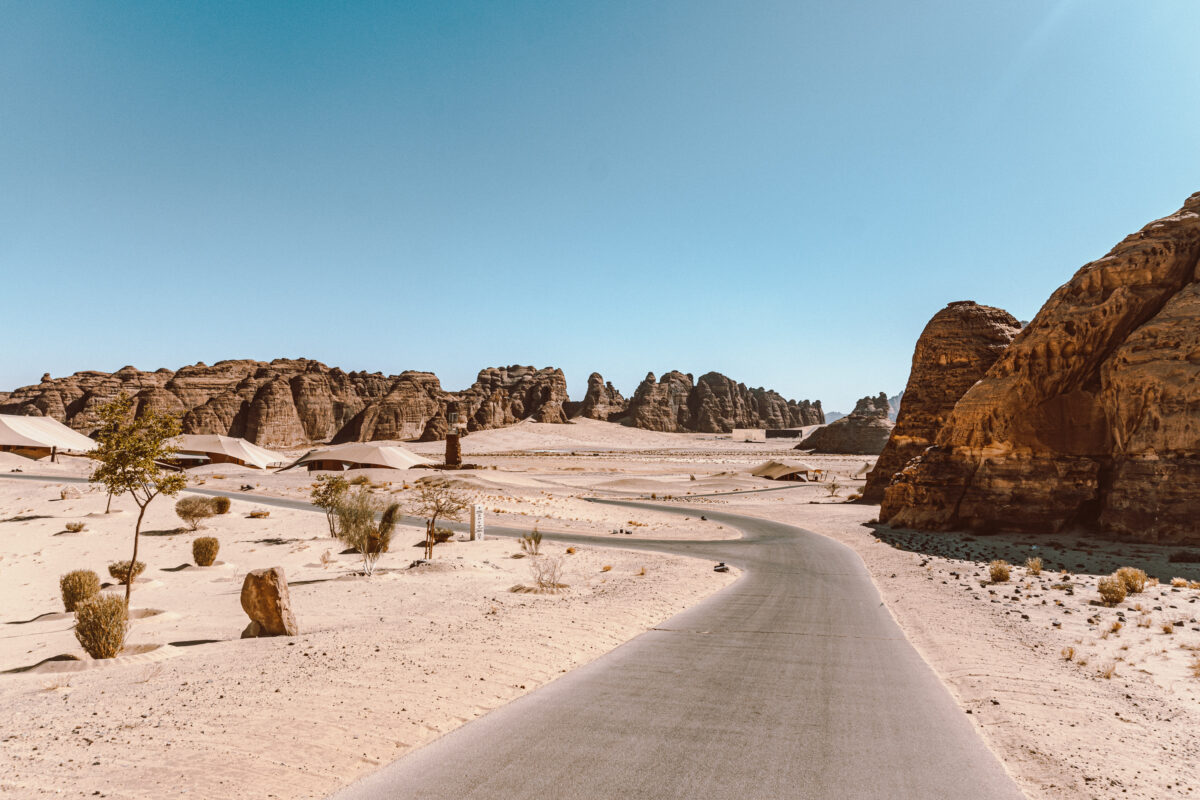
Hegra, also known as Mada’in Salih, is the most famous of these sites. It was the southern capital of the Nabataean kingdom and is Saudi Arabia’s first UNESCO World Heritage Site. If you’ve been to Petra in Jordan, you will immediately feel a connection. Petra is still one of my all time favorite places and the intricately carved tombs of the Nabateans completely blew me away. Hegra is like the smaller sibling of Petra, which was the capital of the Nabatean civilization.
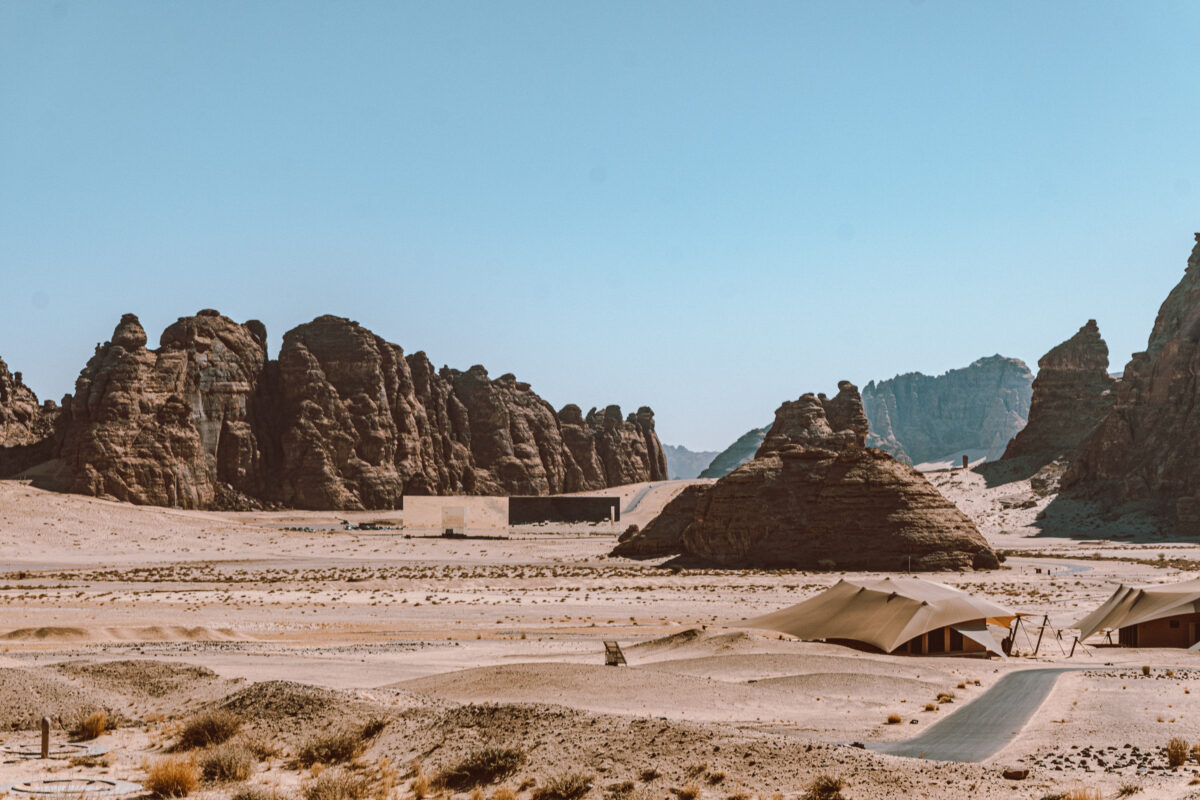
What to do in AlUla
AlUla is chalk full of things to do. I spent a total of 4 days in the area which was more than enough time to see the main sights. For half of this, I stayed at the luxurious Banyan Tree hotel which meant I was not sight seeing during that time.
Elephant Rock
One of the first things I did in Al’Ula was visit Elephant Rock (Jabal AlFil), a natural sandstone formation shaped by centuries of wind and rain. From certain angles, it looks almost impossibly delicate, a massive stone elephant frozen in place. I spent a while walking around it, marveling at how the colors shifted with the light, and even snapping a few photos that barely do it justice.
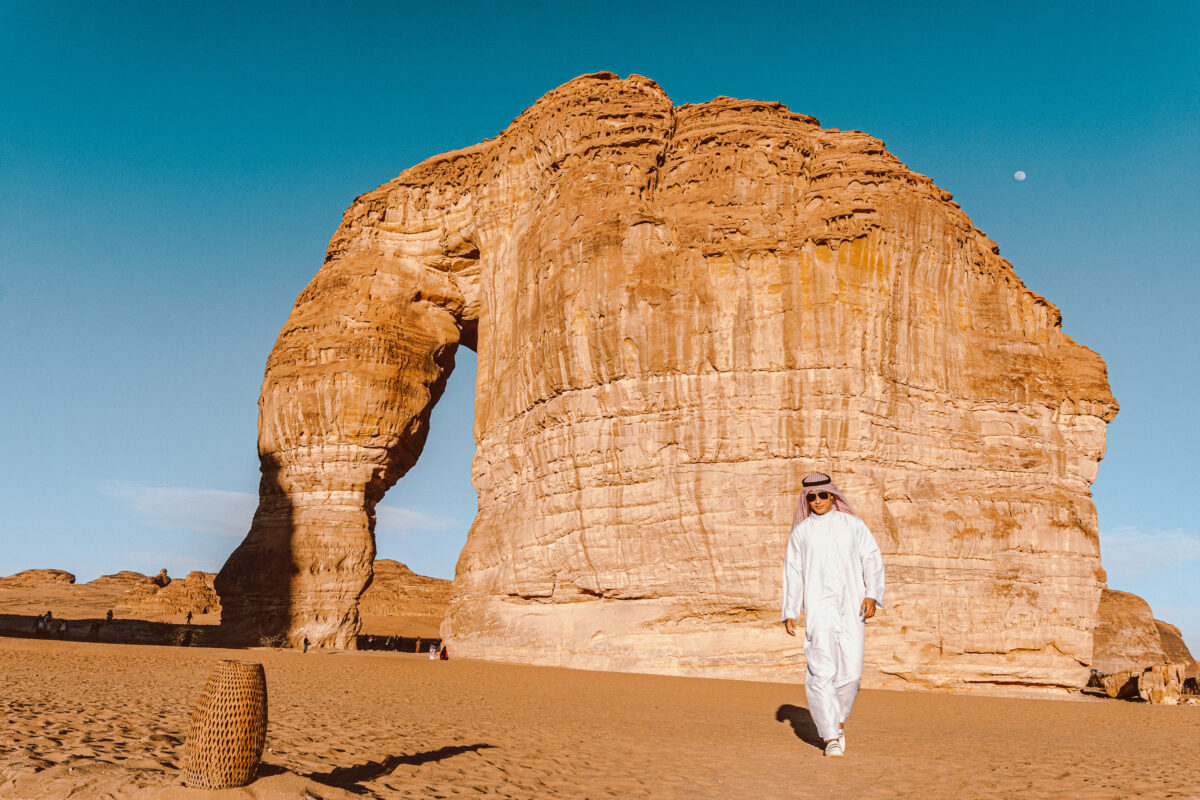
The surrounding desert has other dramatic rock formations as well, like the spires of Ashar Valley. Hiking here felt like stepping into a movie set. I didn’t expect to feel so small in such a vast landscape, but every path opened onto cliffs, canyons, and hidden pockets of desert flora that make you realize how timeless this region truly is.
Hegra: The Desert’s Ancient City
No trip to Al’Ula is complete without visiting Hegra, the crown jewel of Al’Ula. The Nabataean tombs are carved directly into massive sandstone outcrops, many adorned with intricate friezes and inscriptions. It still blows my mind how people two thousand years ago could make such detailed and huge carvings into stone that lasts until today.
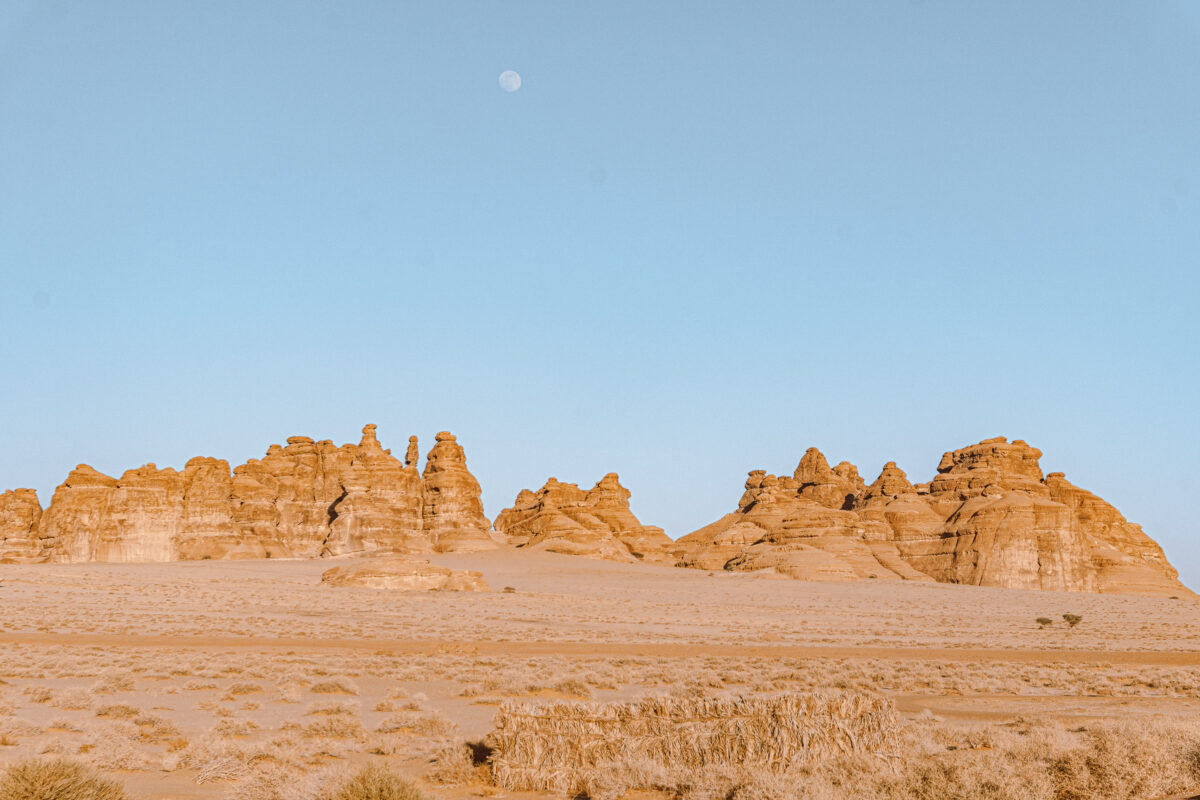
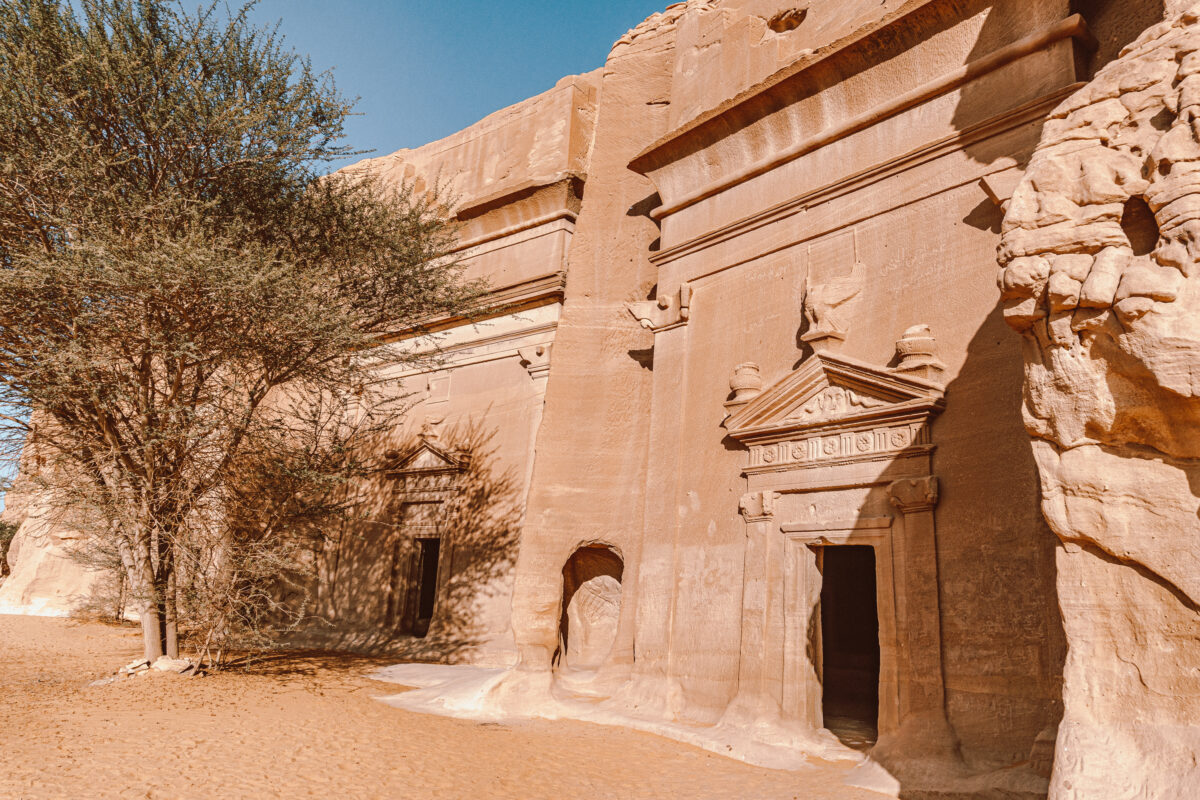
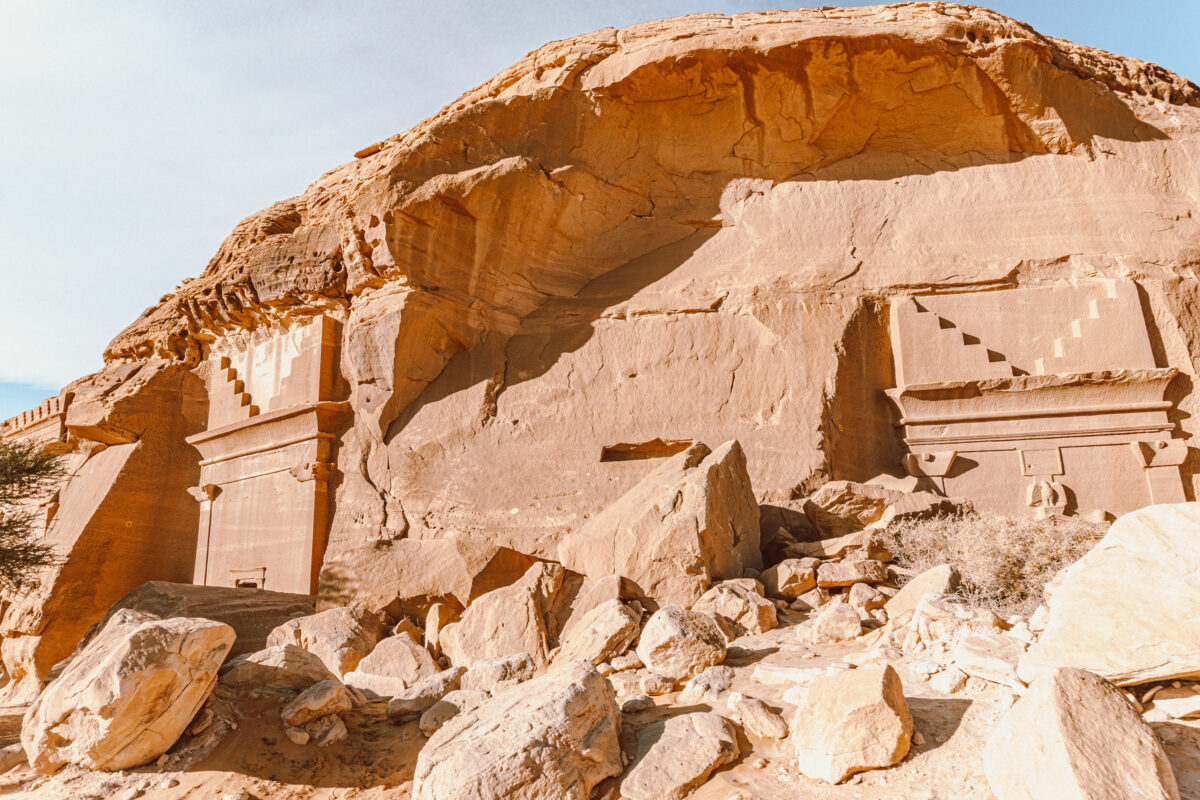
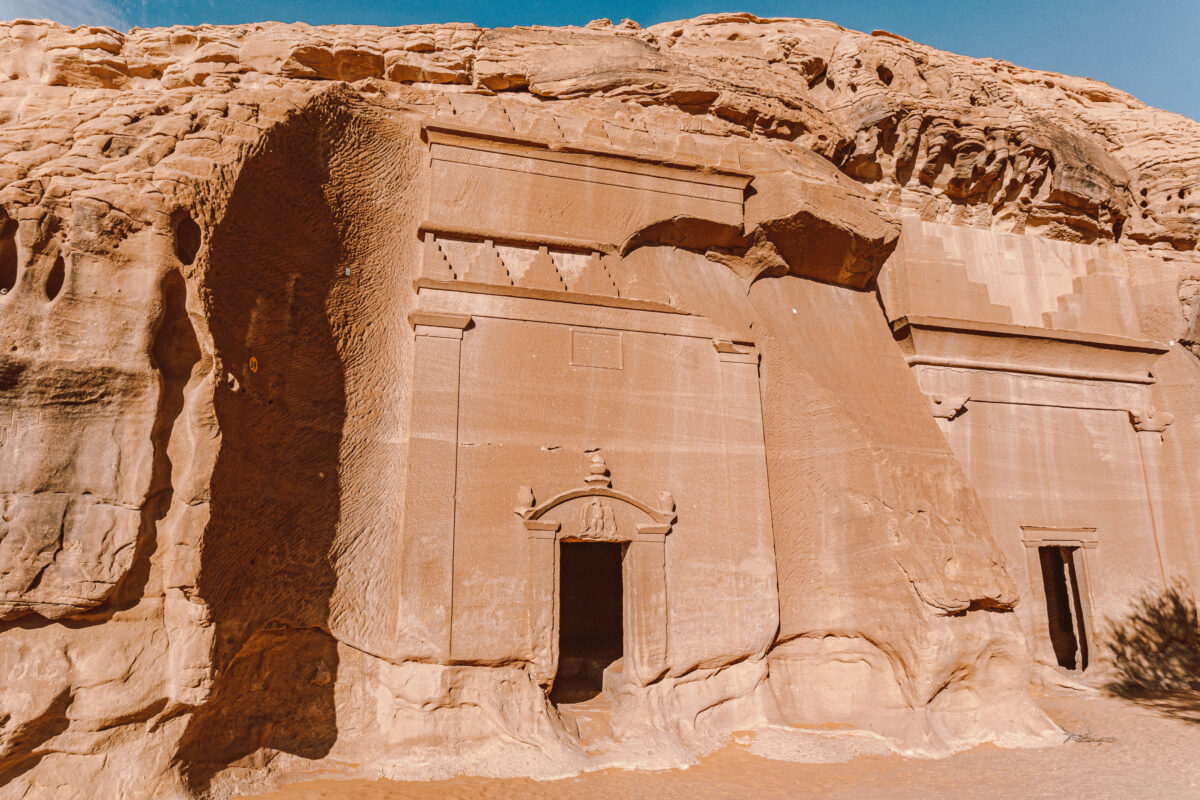
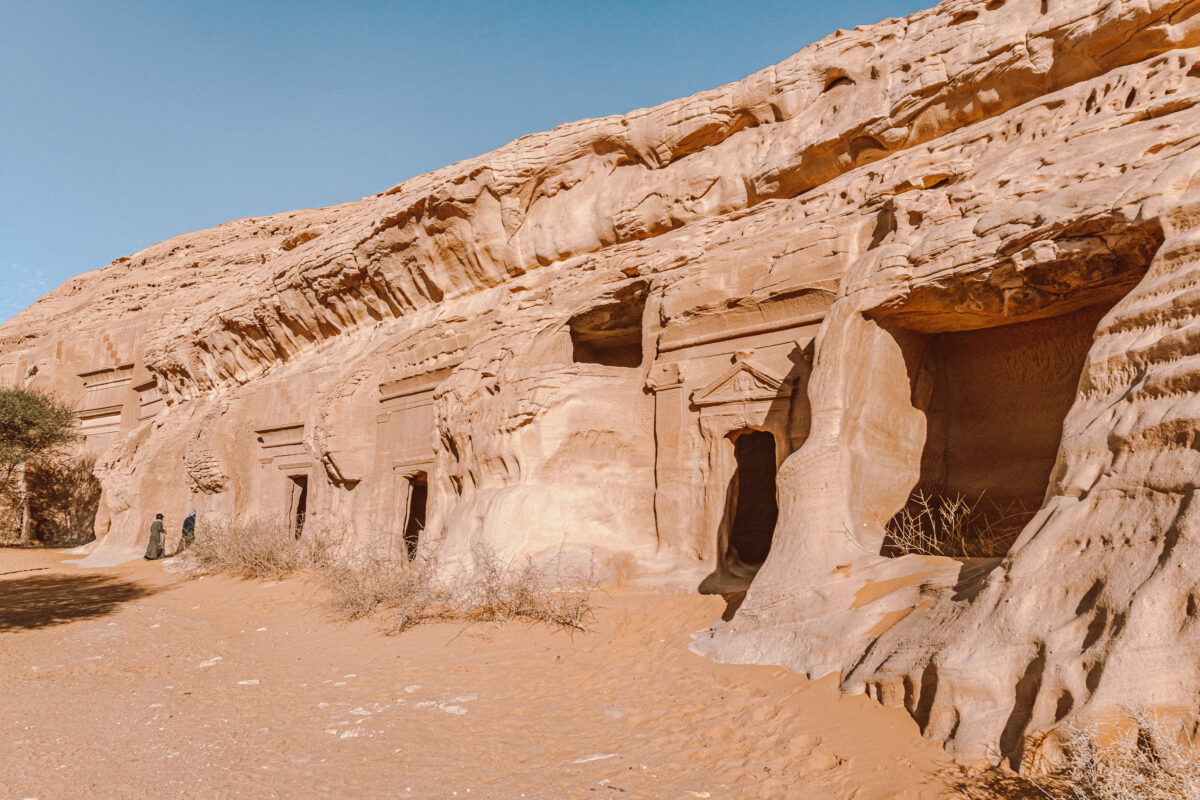
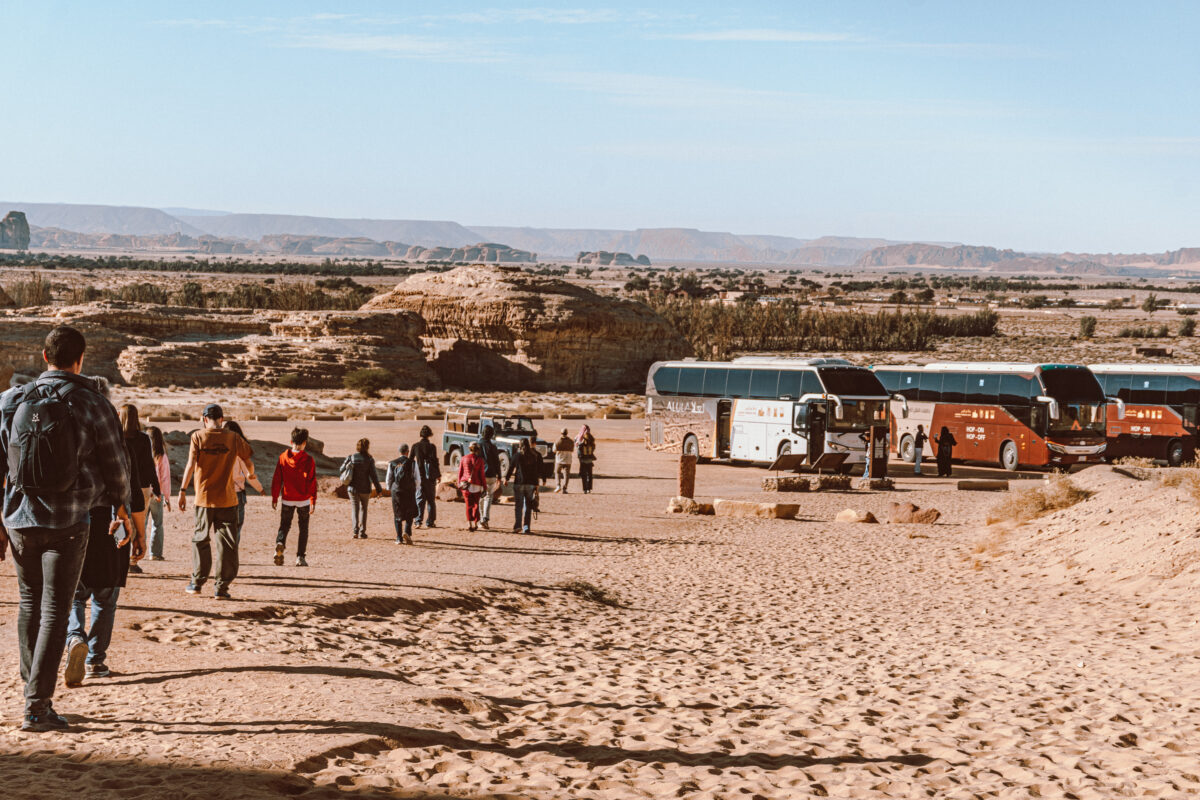
You must book a tour to visit Hegra. Unlike Petra, it’s too large to walk around and you cannot self drive. You must book a tour through the official website. They have multiple options including group tours on a bus or private tours in an open-air jeep. Expect to pay around 100 SAR for the group bus option. The tour will take you to the four stops of the Hegra with the third stop being the largest and most famous tomb being Qasr Al-Farid.
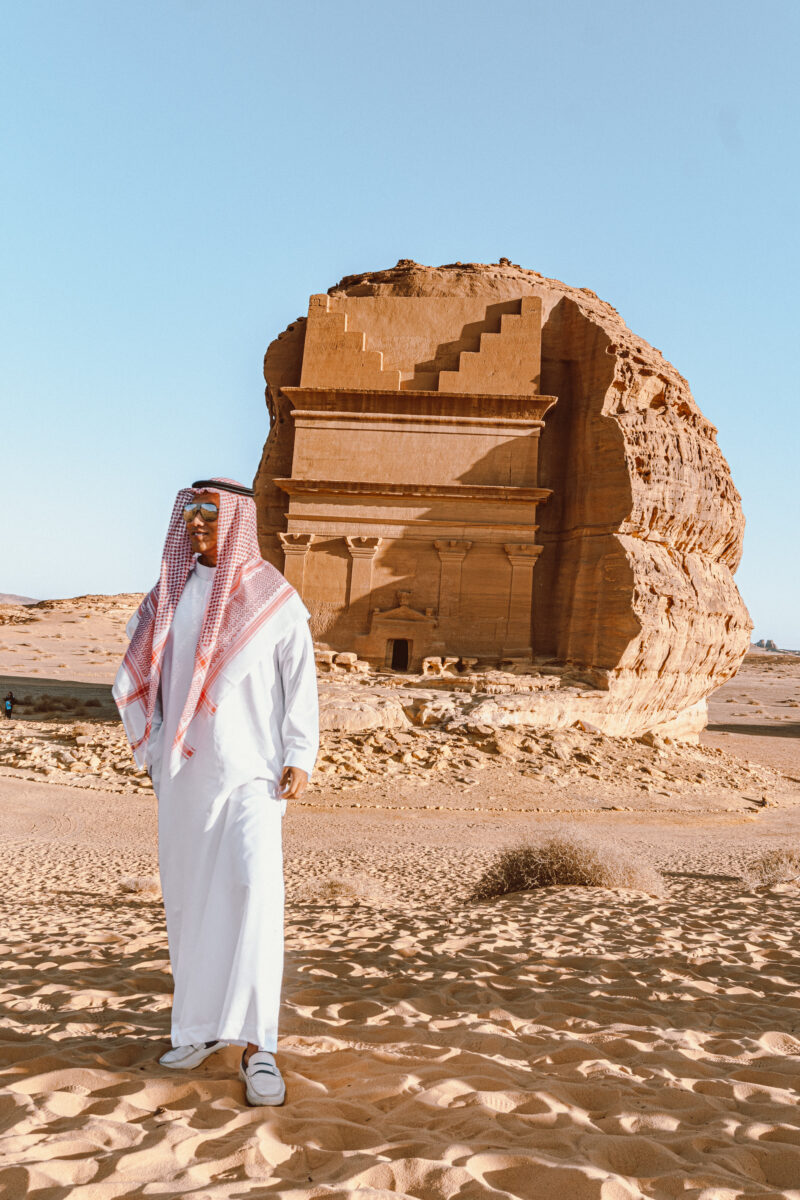
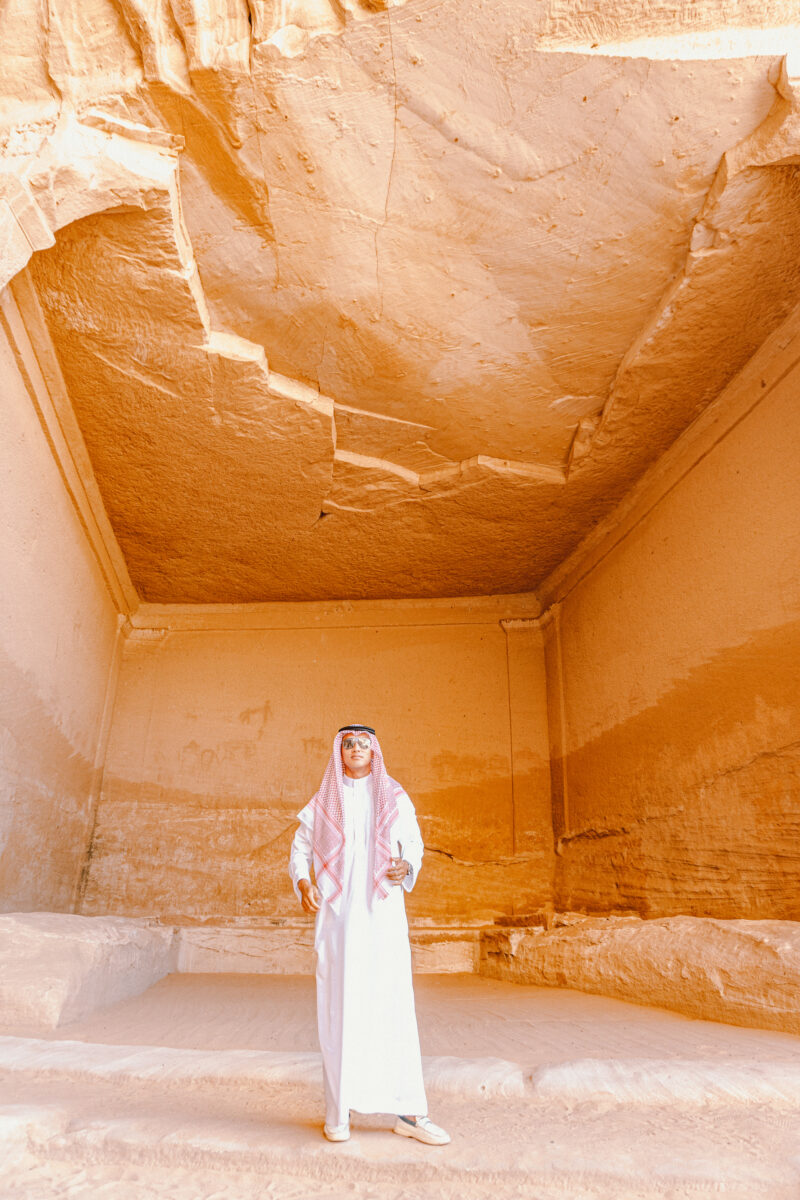
Our tour guide did a decent job of explaining the different parts of the ancient city including the meeting halls and tombs where they buried the dead.
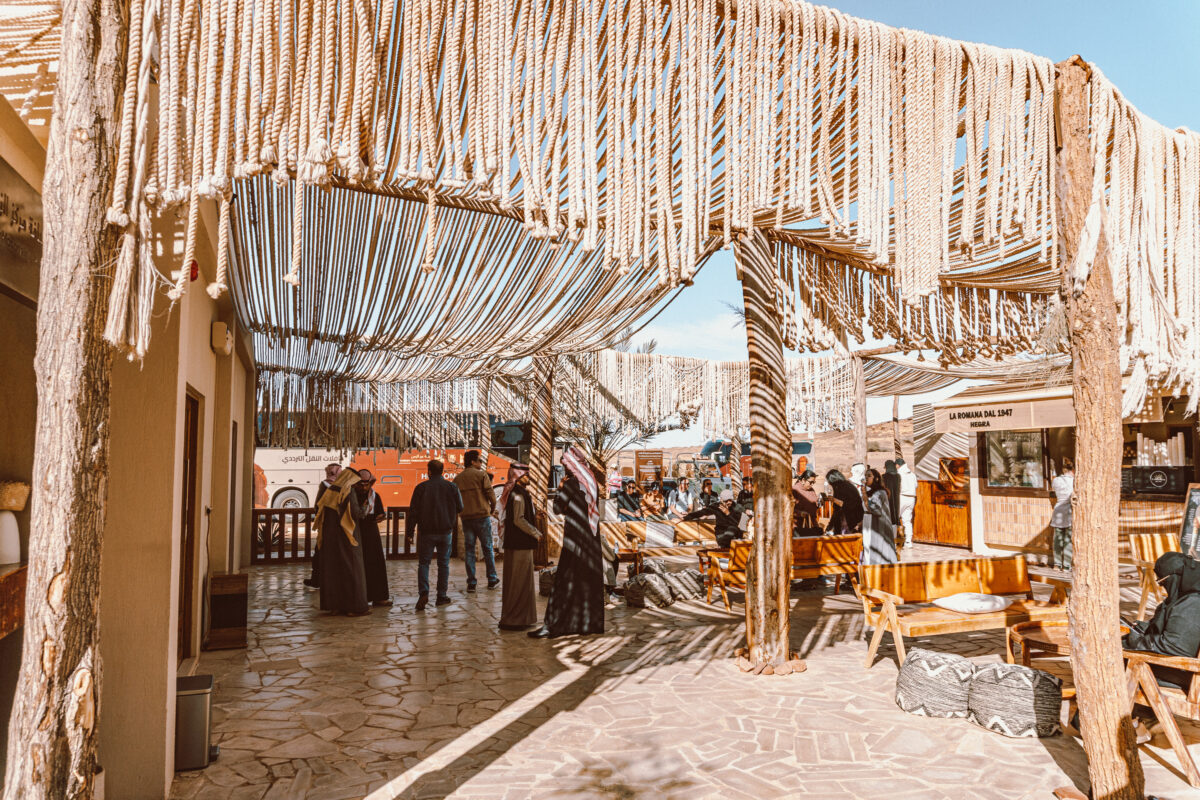
Overall, this tour lasts just under two hours. They are all the same and you cannot self-explore (not that you’d want to because of how spread out it is). It’s a must visit when you come to AlUla so make sure to book your tickets in advance.
Shalal Cafe in the Canyons
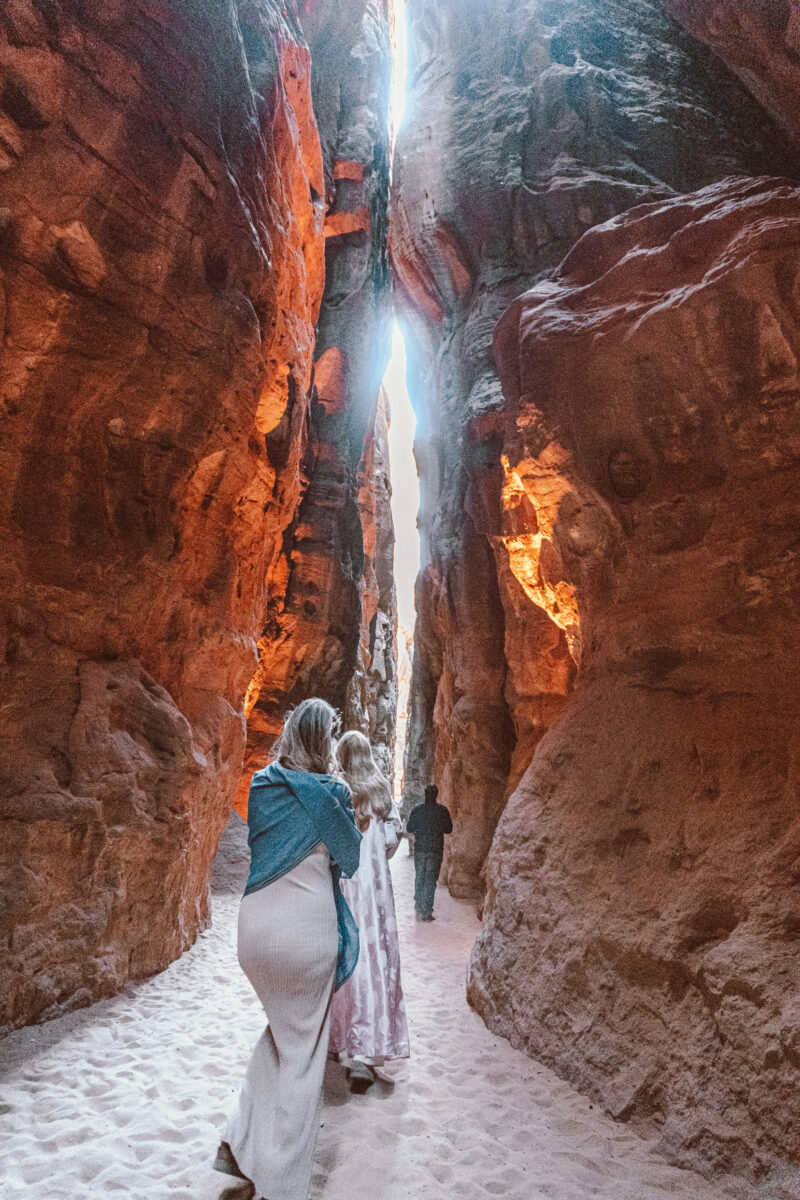
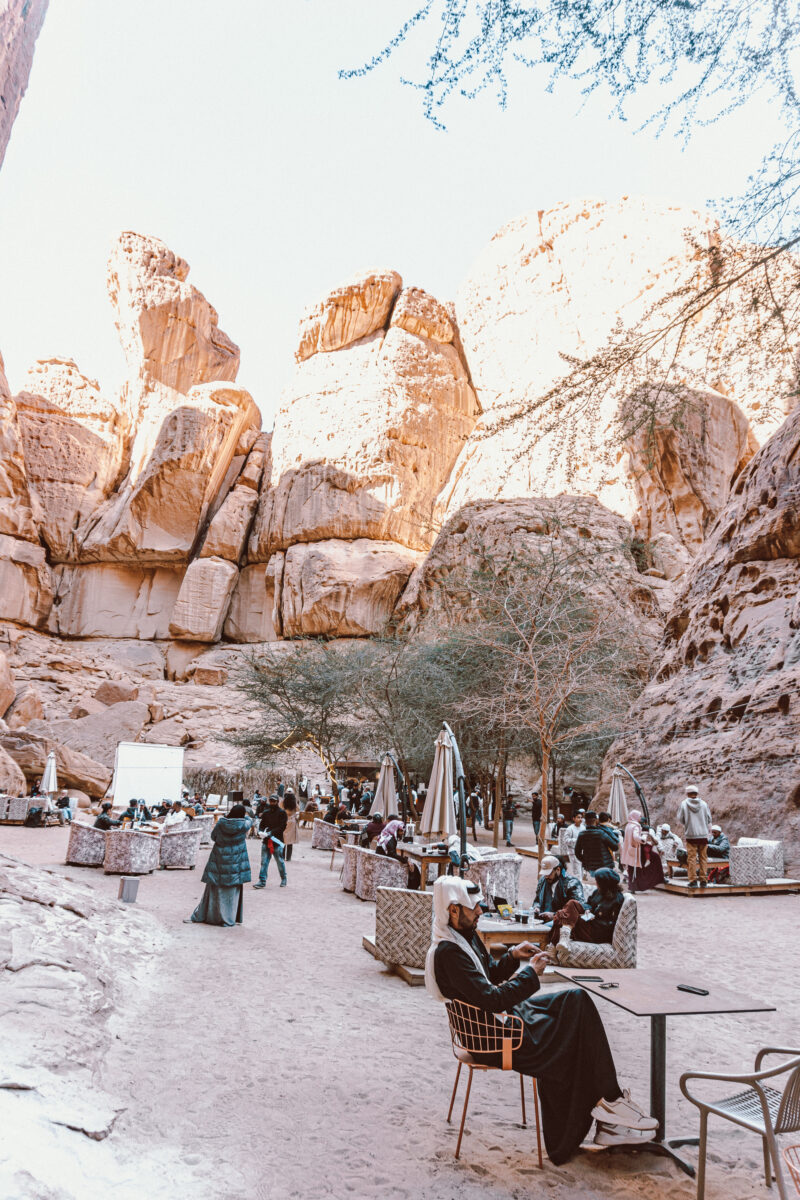
On your way to Hegra, make sure to stop at the Shalal cafe located in between a slot canyon. At the entrance, you’ll walk in between two narrow canyons reminding me of the Siq in Petra. At the end of this scenic walk with be a beautiful cafe located in a small valley between the rocks.
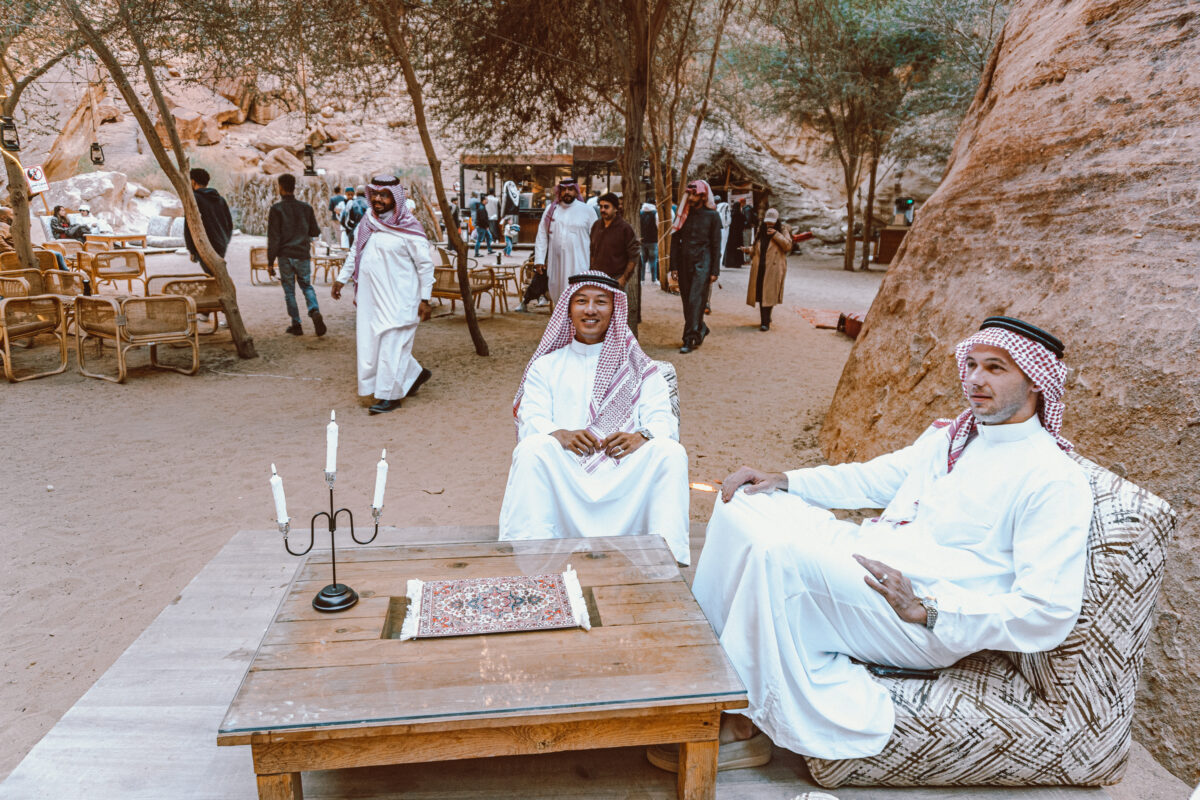
There are plenty of seats, great coffee, and a delicious local style flatbread to eat. This is a short stop (30m to 1h) but well worth it in my opinion!
Old Al’Ula: A Town Frozen in Time
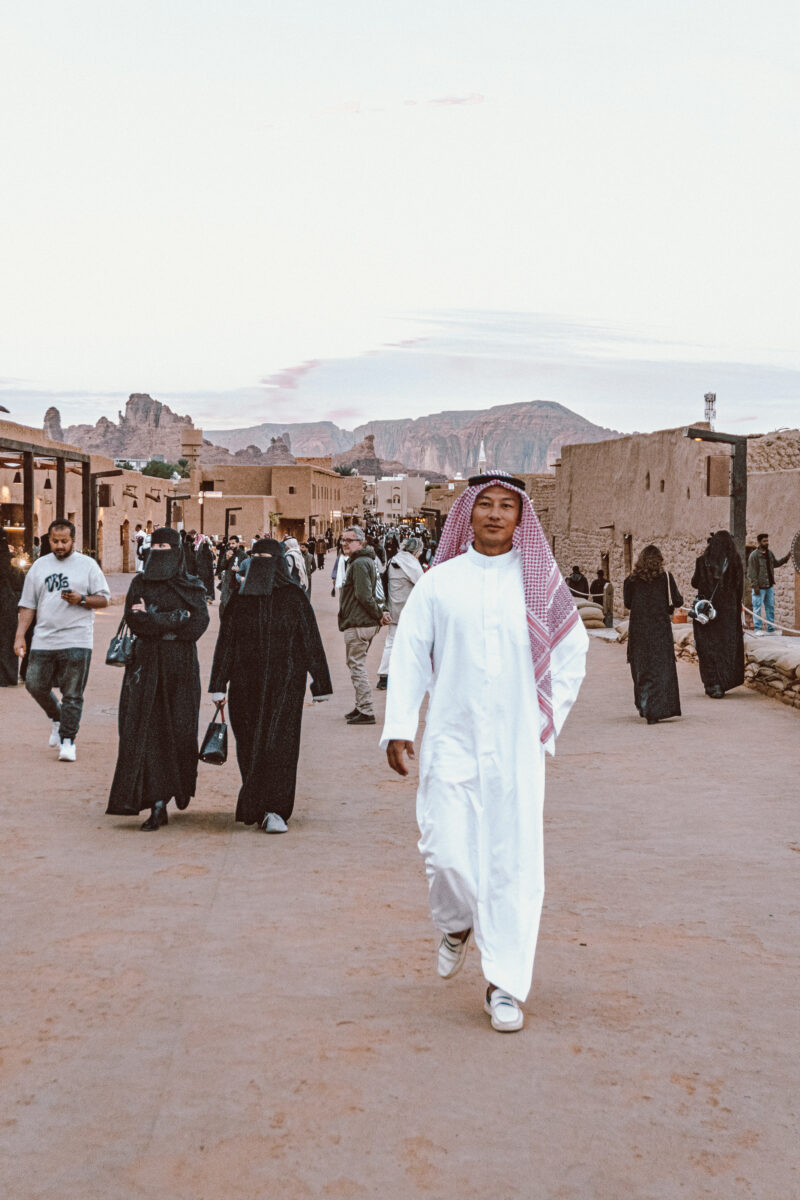
Al’Ula isn’t just about its desert monuments. The old town itself offers a quieter, more intimate glimpse into life here. Narrow alleys wind between stone and mudbrick houses, many abandoned yet still beautiful, with the sun casting dramatic shadows across their weathered walls. I found myself wandering without a map, letting the streets lead me to small courtyards and hidden stairways that felt like discoveries rather than destinations.
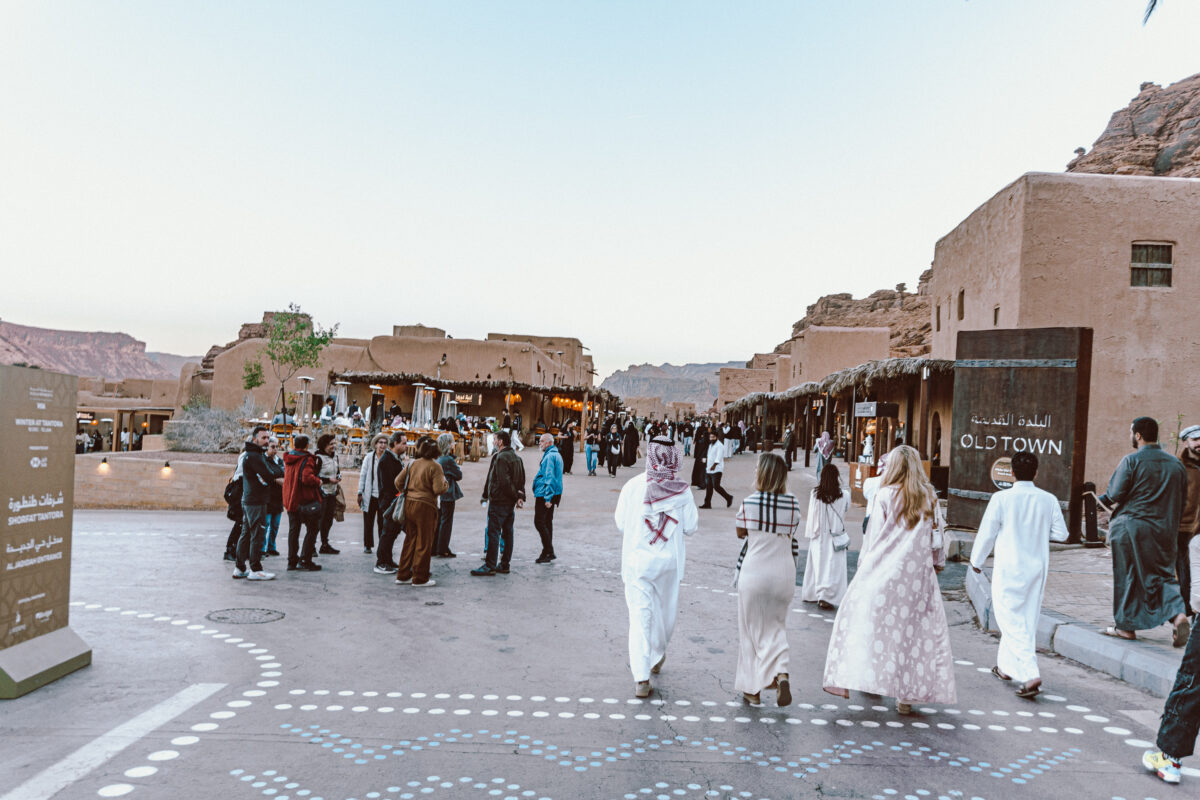
Locals have begun restoring parts of the town, and boutique hotels and galleries are thoughtfully integrated, so the area retains its authenticity while offering comfort. Like the old town of Jeddah, I made sure to visit the Old Town of Al’Ula during the day and at night for a nice contrast.
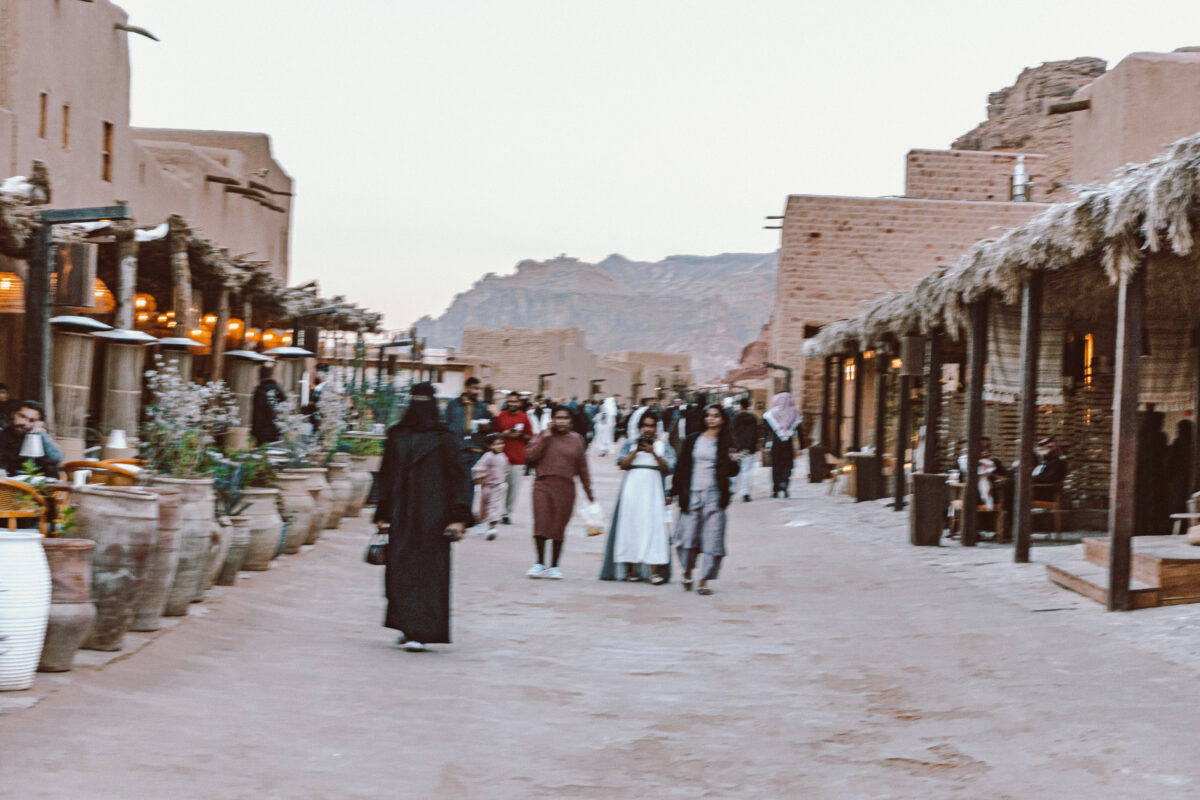
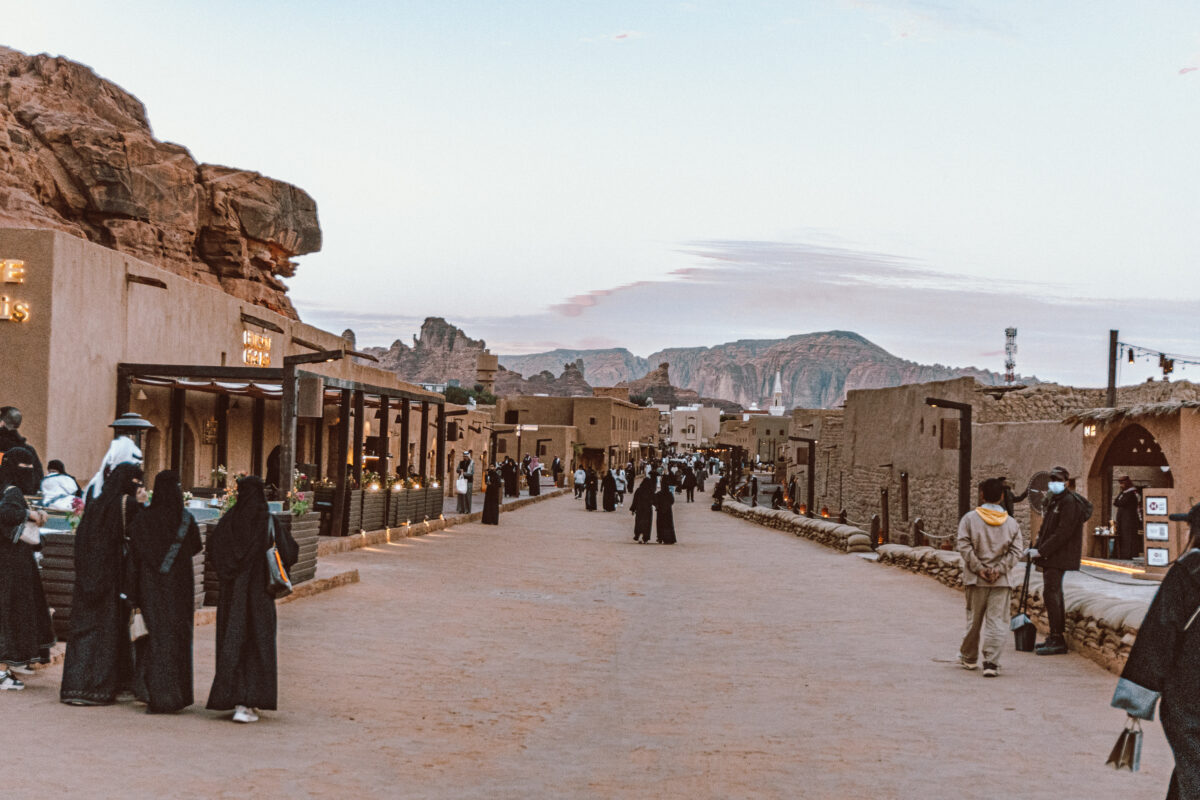
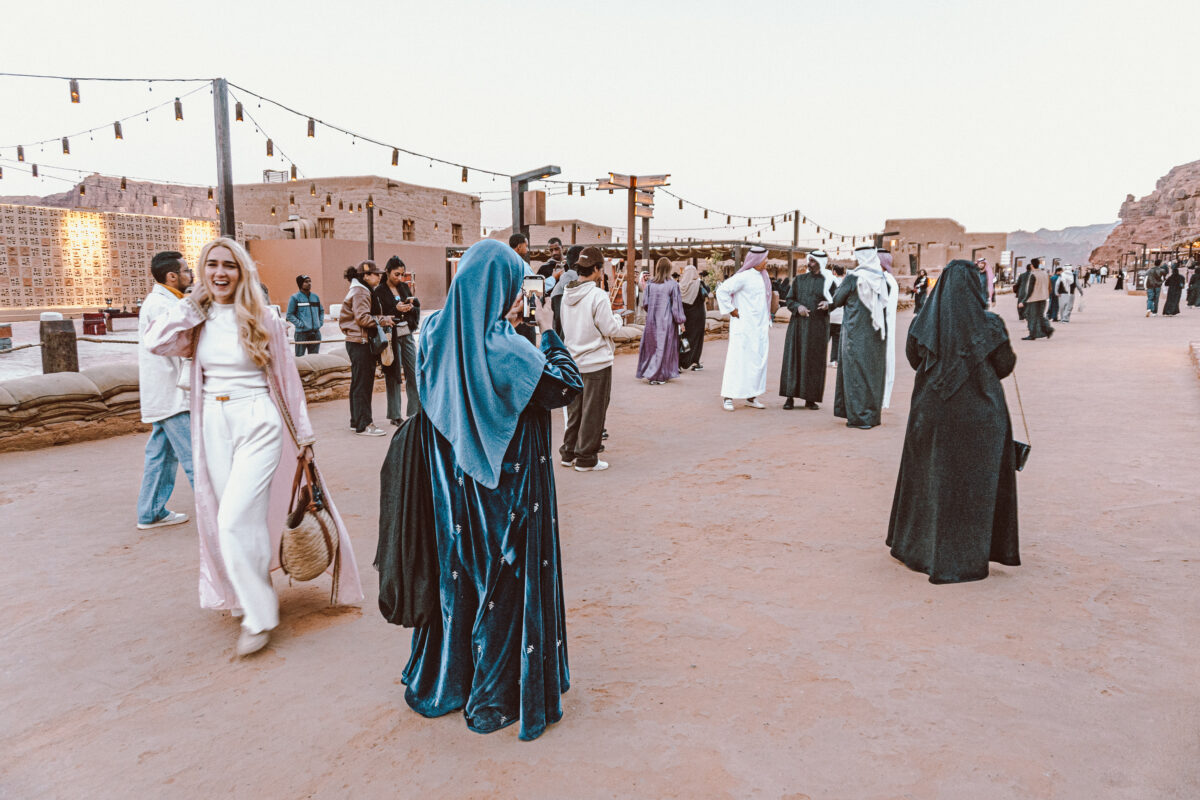
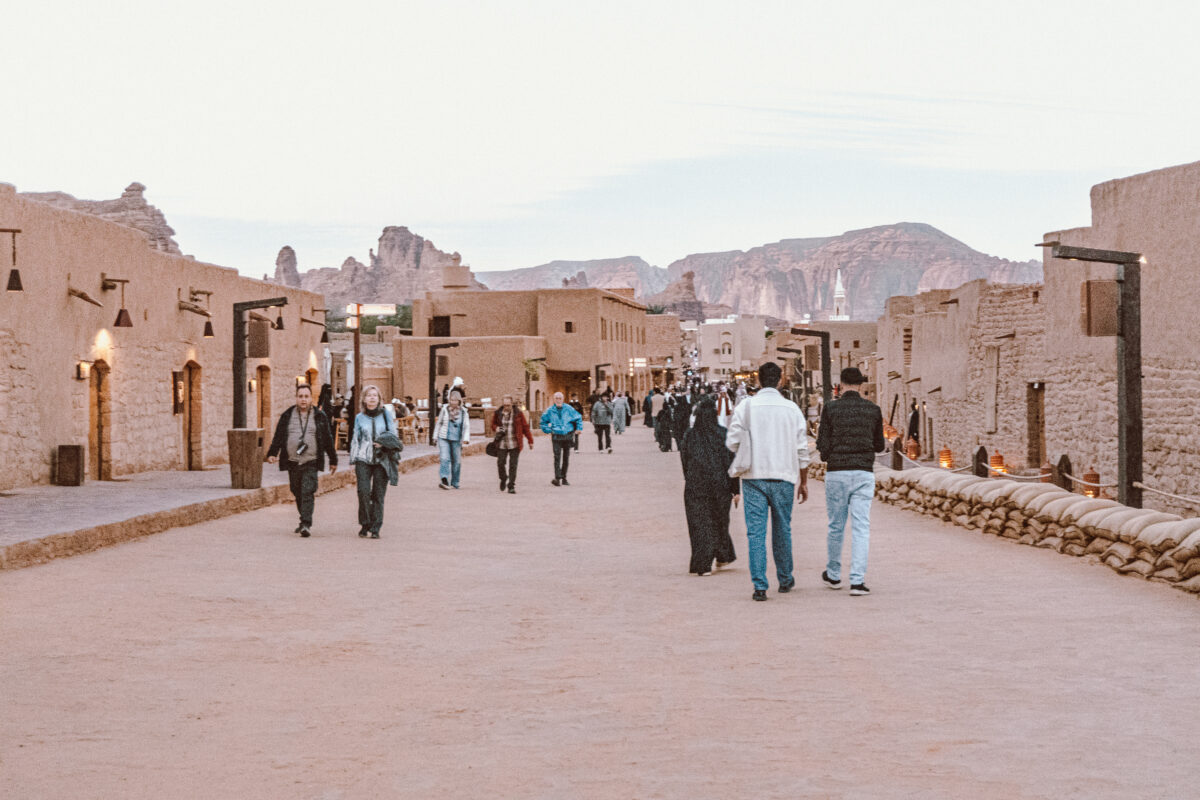
Old Al’Ula at night is a must. The colors and lighting the Saudis chose to highlight this special city is magic. The city lights up in a discreet, romantic, and charming way. Local tourists flood the promenade to enjoy their night out. Simply people watching at one of the many cafes is all I needed for a nice night.
Maraya Mirror Building
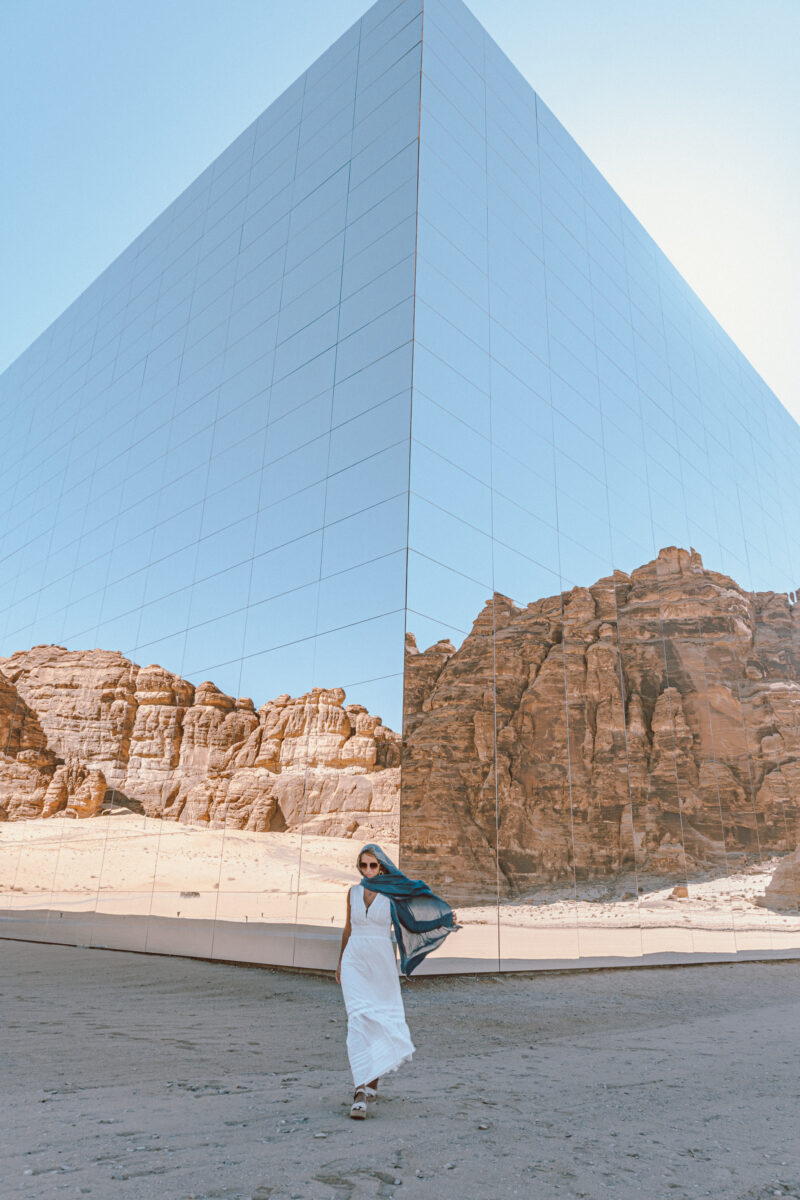
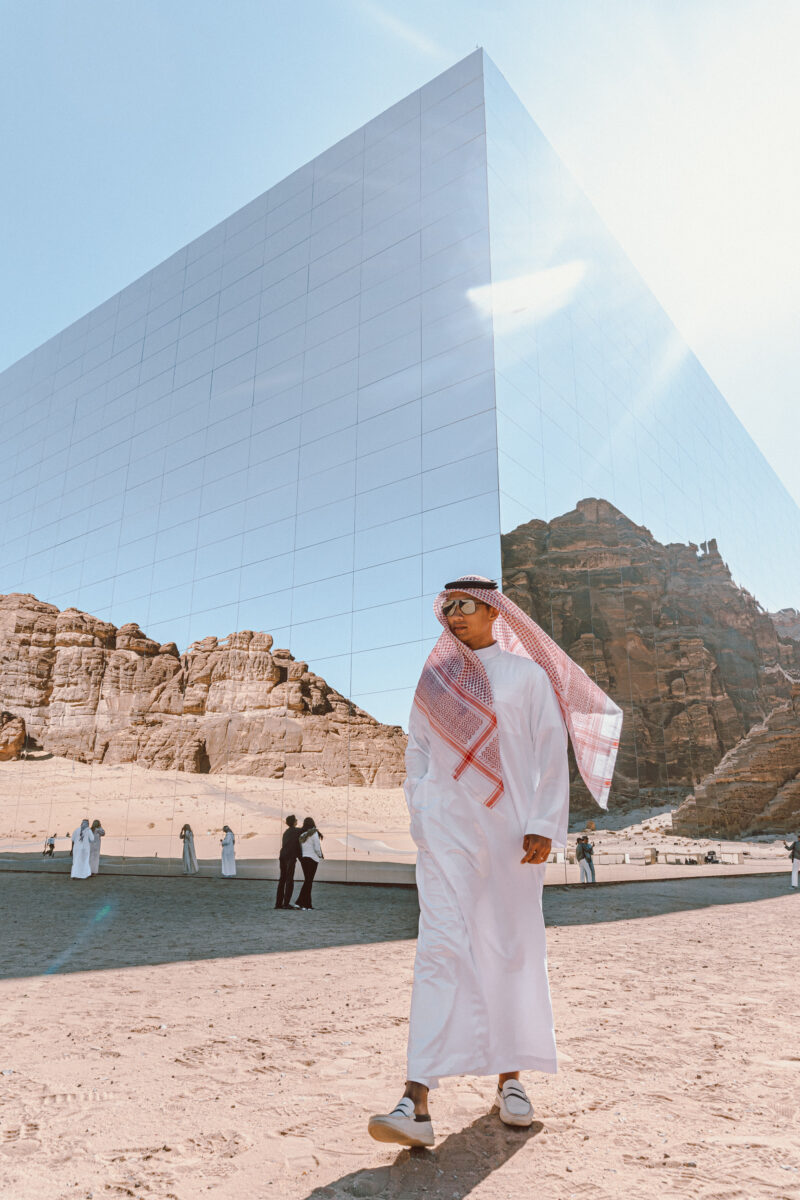
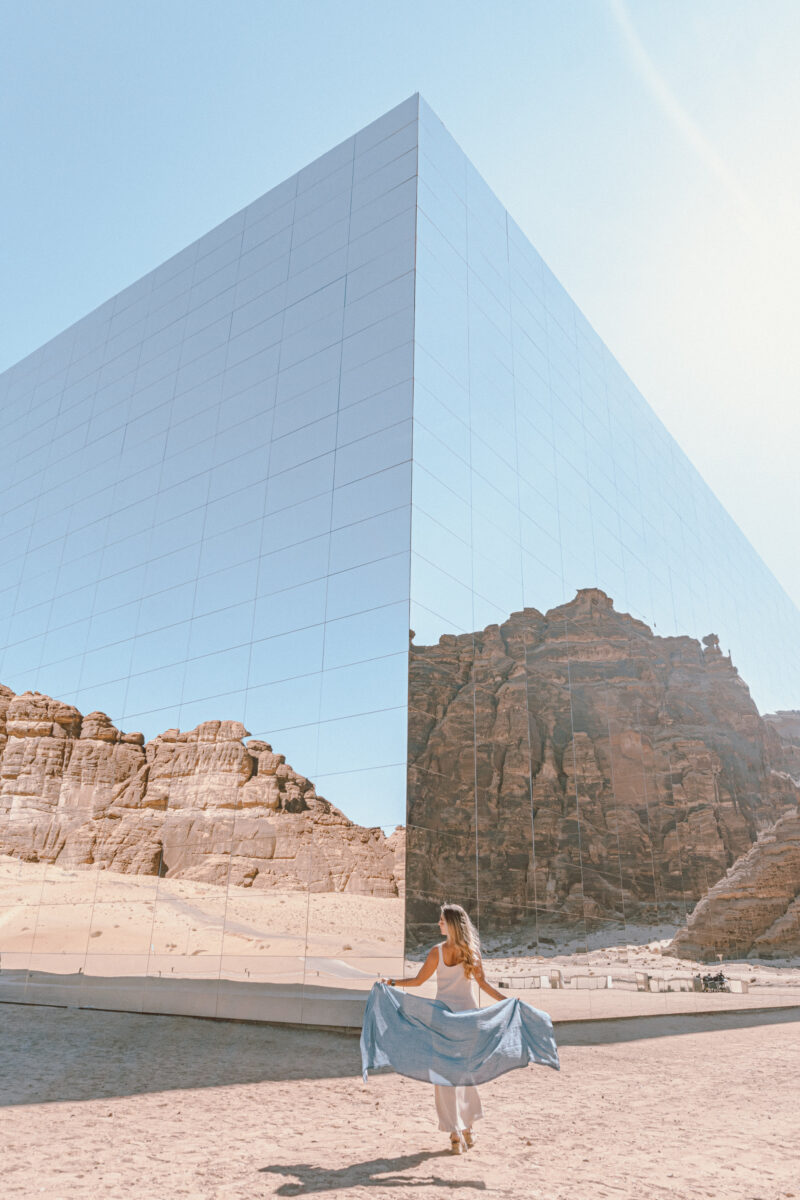
Al’Ula isn’t only about ancient history. The Maraya Concert Hall is a striking modern addition, a mirrored building that reflects the desert and cliffs around it so seamlessly that it almost disappears into the landscape. I visited during the day and couldn’t stop marveling at how the architects had played with light and reflection. At night, it transforms into a glowing jewel, hosting concerts, exhibitions, and cultural events that feel as grand as the desert itself.
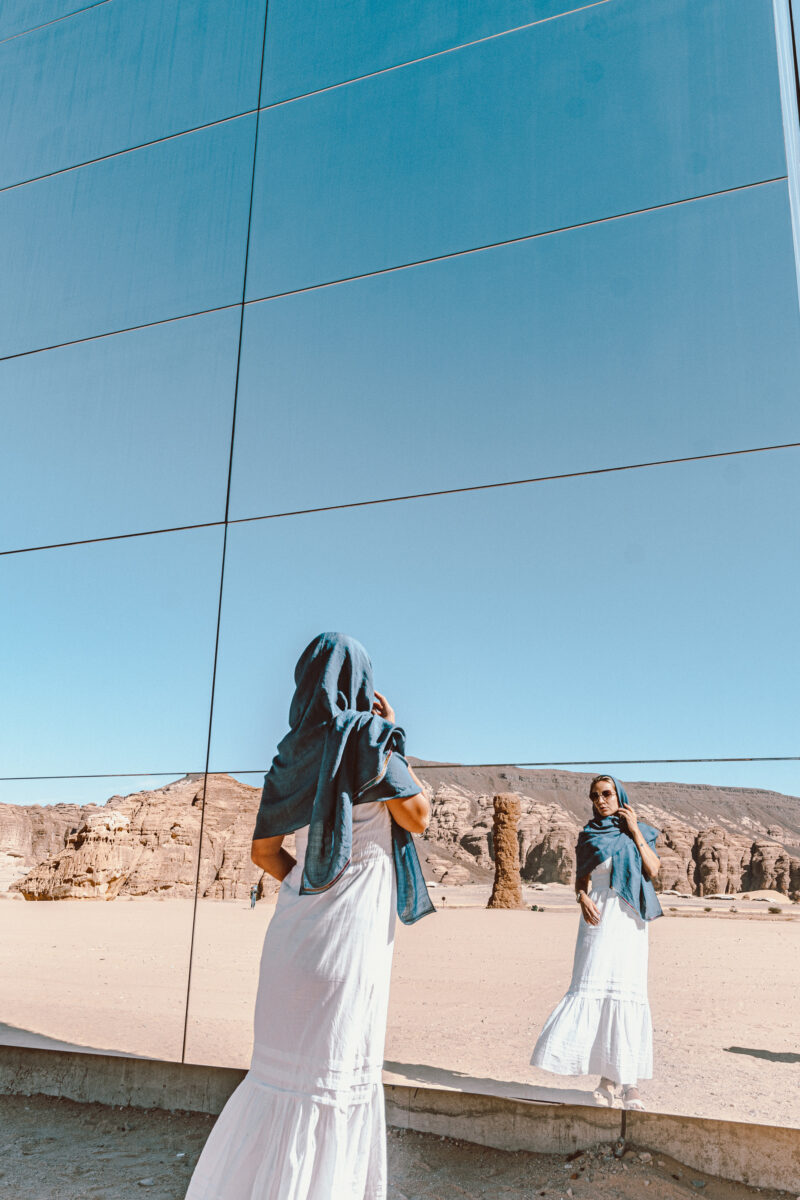
The Maraya is the perfect place to take stunning photos. As it is the largest mirrored building in the world, you can play with some beautiful angles and get stunning photos with the Ashar valley in the backdrop.
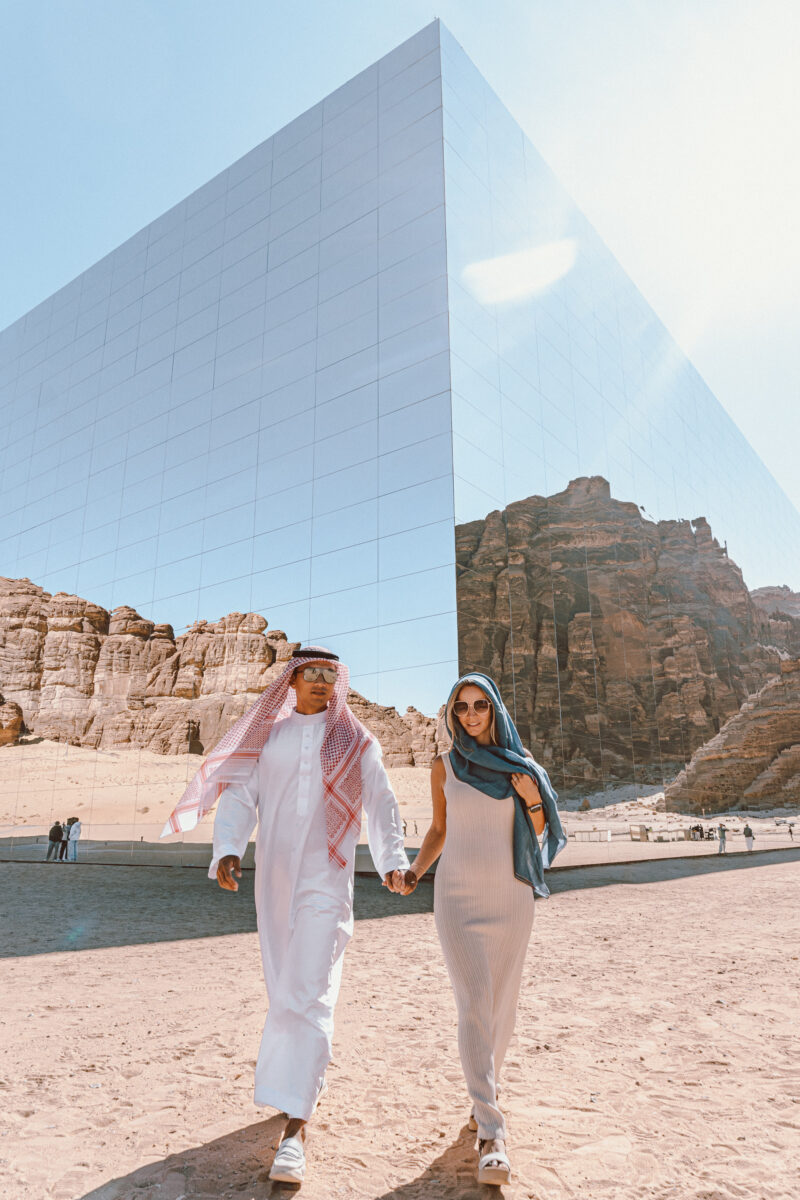
The best time of day to visit the Maraya is in the middle of the day when the sun is at its highest. That way, the entire building is lit up and you get the brightest reflection from all sides. I preferred the northwest corner of the building which is covered with sand on all sides. It highlights the desert vibe and makes you feel like you’re alone in the desert.
Where to eat in AlUla
The AlUla area is full of great places to eat.
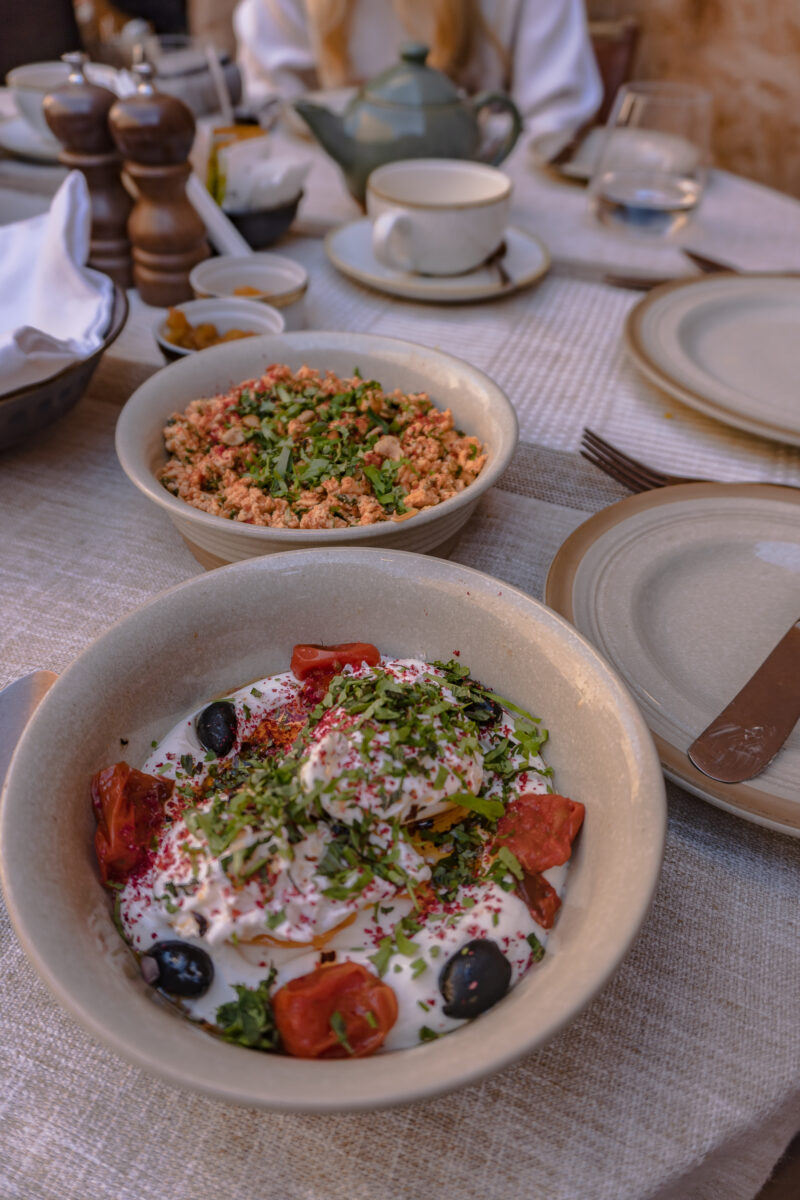
For breakfast, the best restaurant we could find was Joontos Restaurant at the Dar Tantora hotel. It was one of the few restaurants open in the morning and served a great local style breakfast.
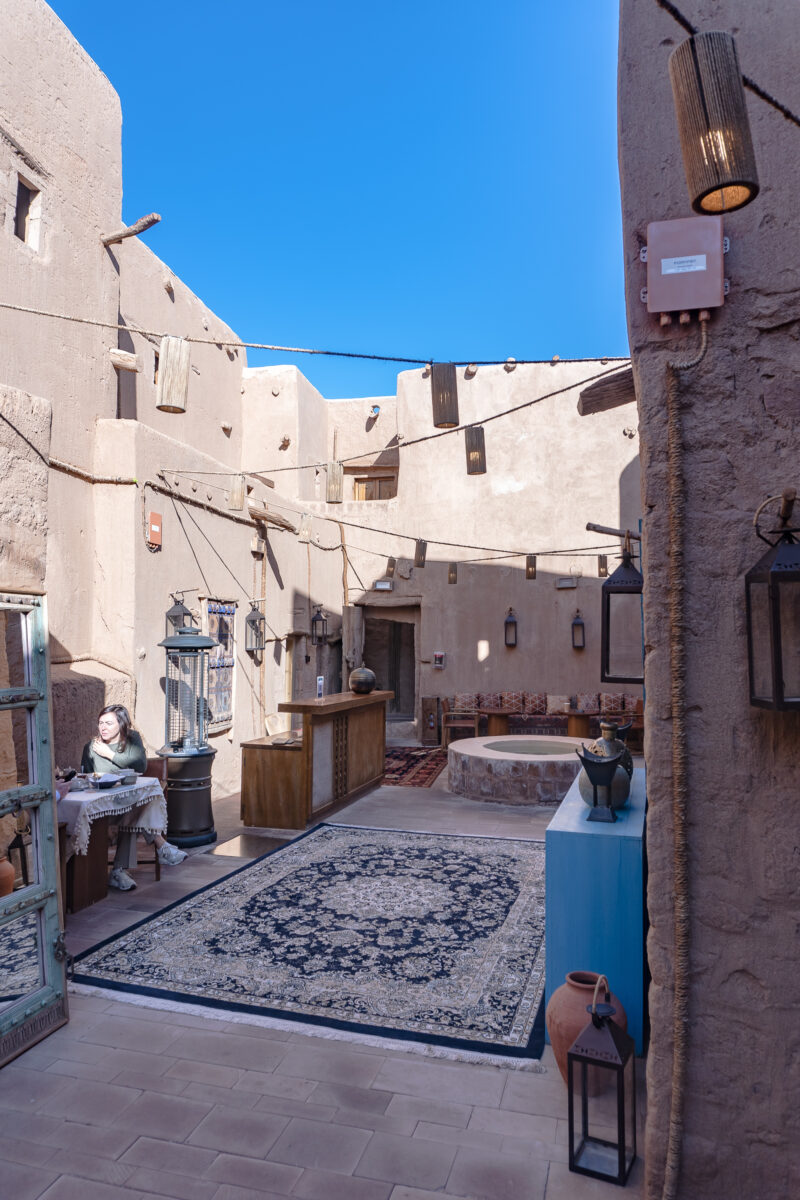
For lunch and dinner, there are many options in AlUla old town including:
- Somewhere restaurant
- Shrimp Nation
- Fish Face
Where to stay in AlUla
Alula is still a relatively new tourist destination but there are already plenty of hotel and Airbnb style options. While the Saudi Government wants to make AlUla and Saudi Arabia as a whole a more upscale travel destination, there are plenty of cheaper accommodations available outside of the main town.
Overall, the main tourist draw for the area is the Old Town AlUla. This is located one kilometer north of the main AlUla town. If you’re not staying at a luxury hotel in the Ashar Valley or closer to the tourist sights like Hegra, I would choose something close to the Old Town as that is where you’ll spend most of your time anyhow. The new AlUla town has many shops and restaurants but it’s unlikely you’ll be impressed by it.
Here are my recommondations for places to stay:
Luxury: $300+
- Banyan Tree AlUla
- Our Habitas
- Caravan at Habitas
- Chedi Hegra
- Dar Tantora
Staying at the Banyan Tree Al’Ula
Al’Ula is home to a collection of luxury resorts including the Banyan Tree, Our Habitas, Chedi, and Dar Tantora. We ultimately settled on Banyan Tree which appeared to be the most luxurious from our research.
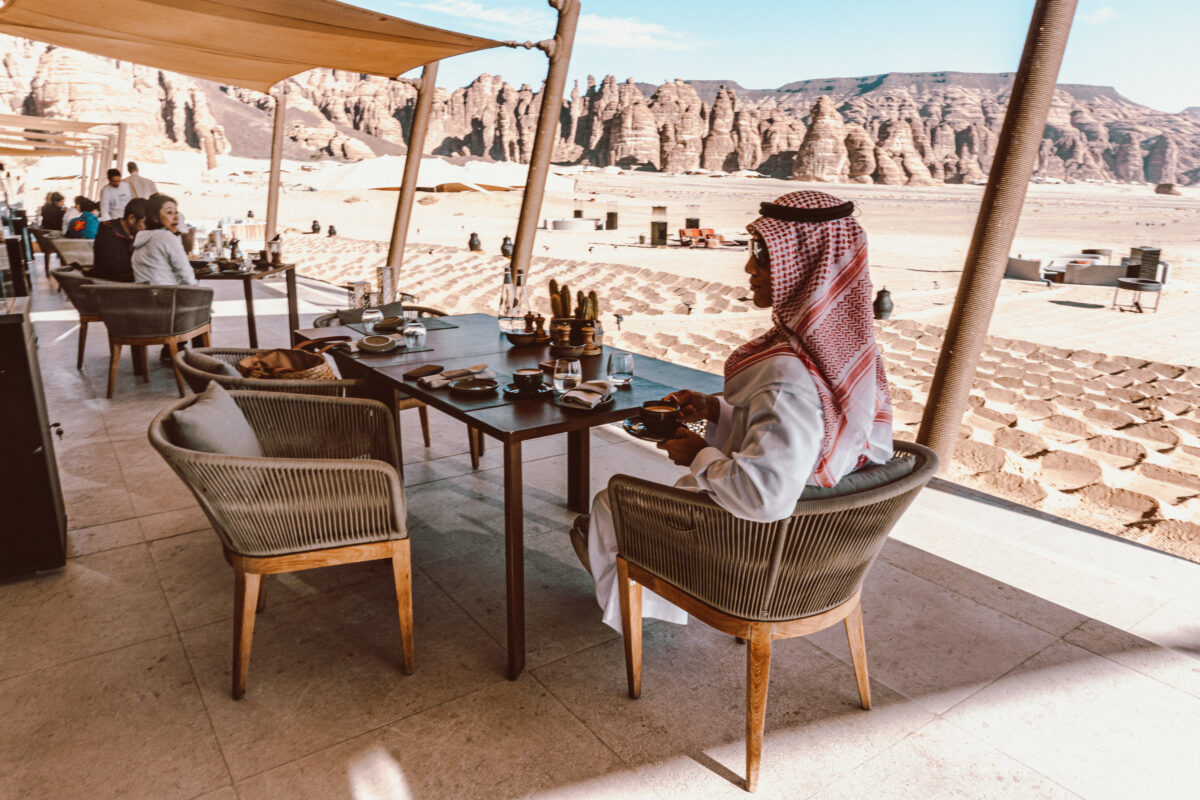
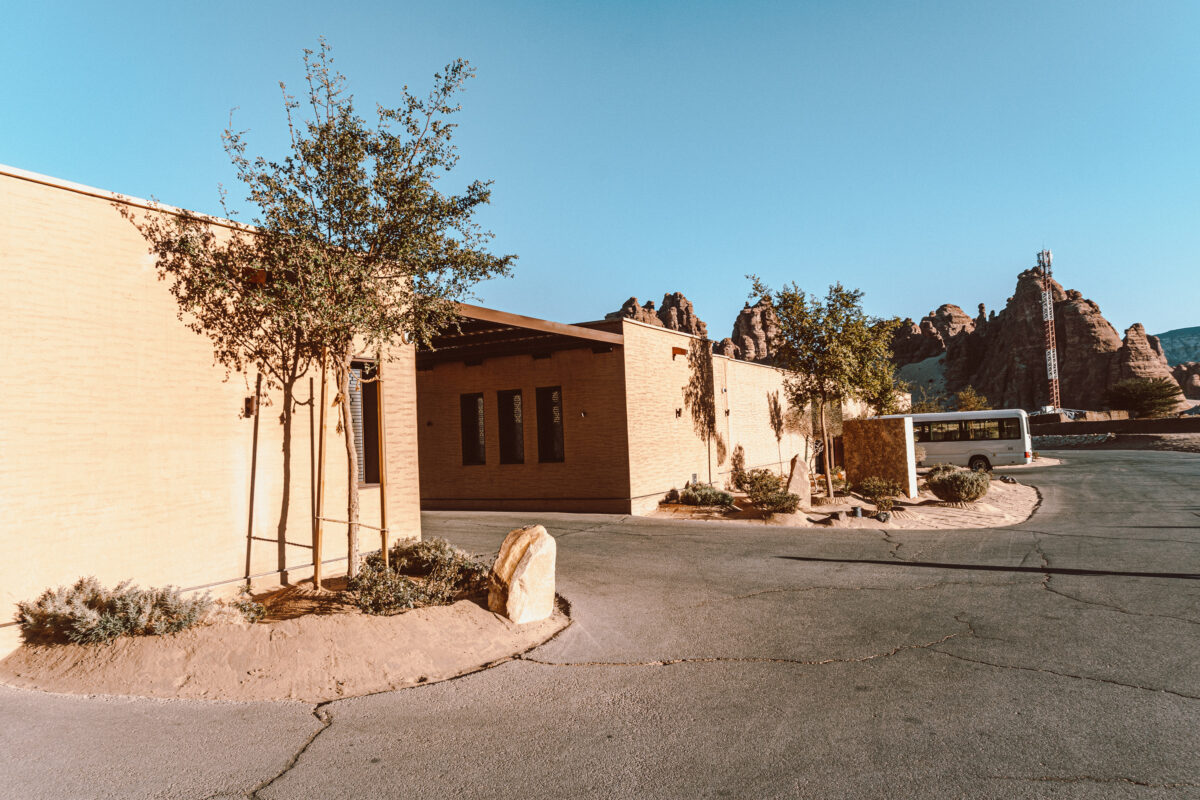
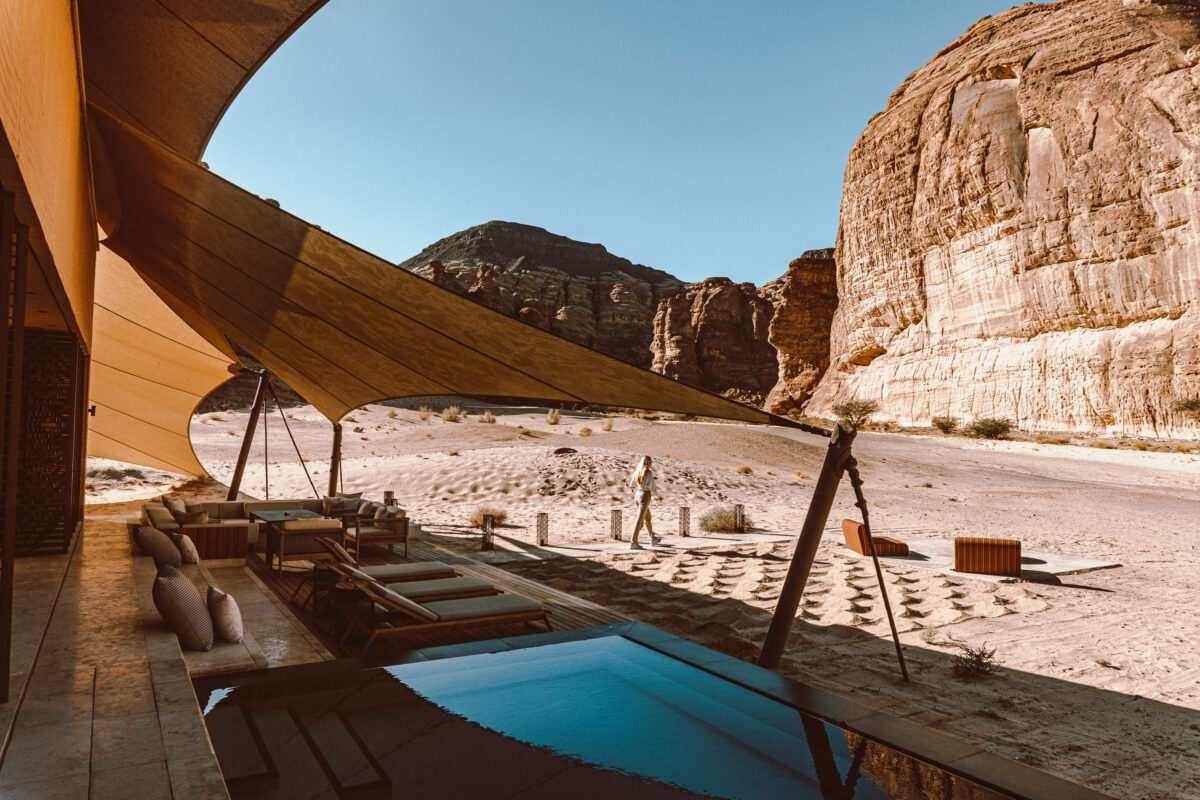
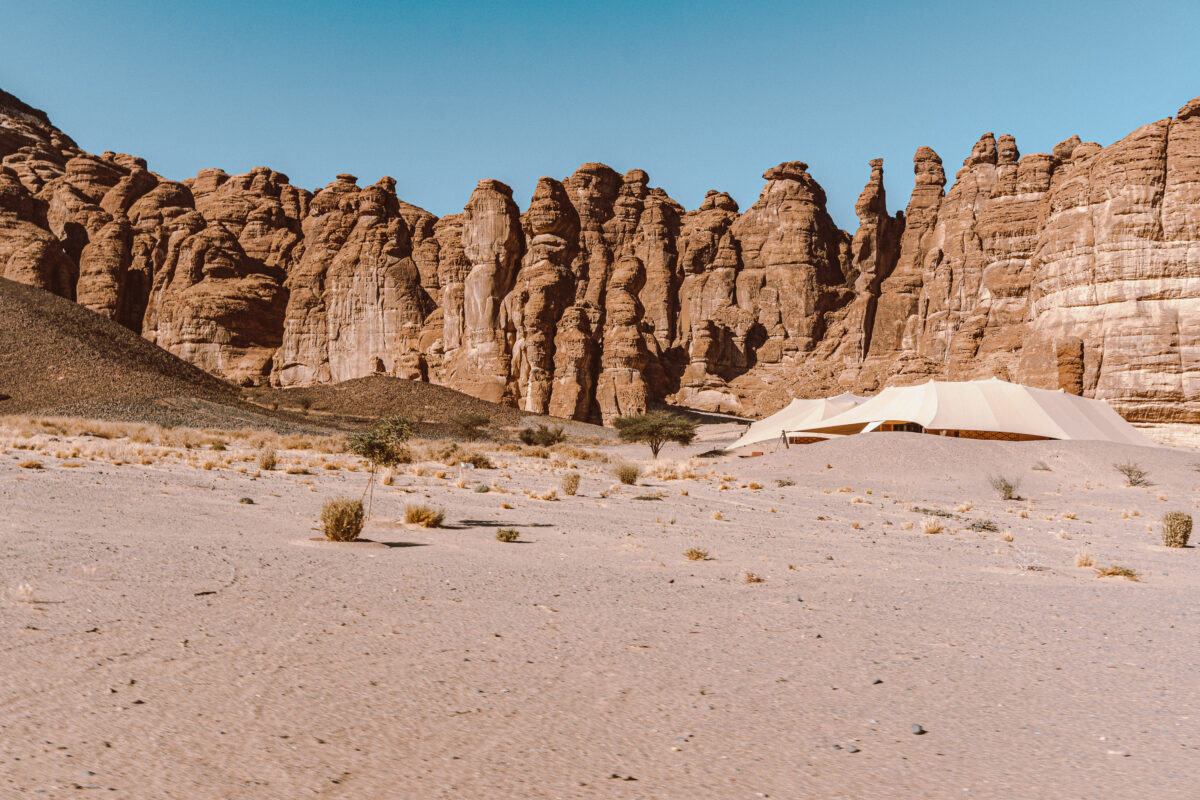
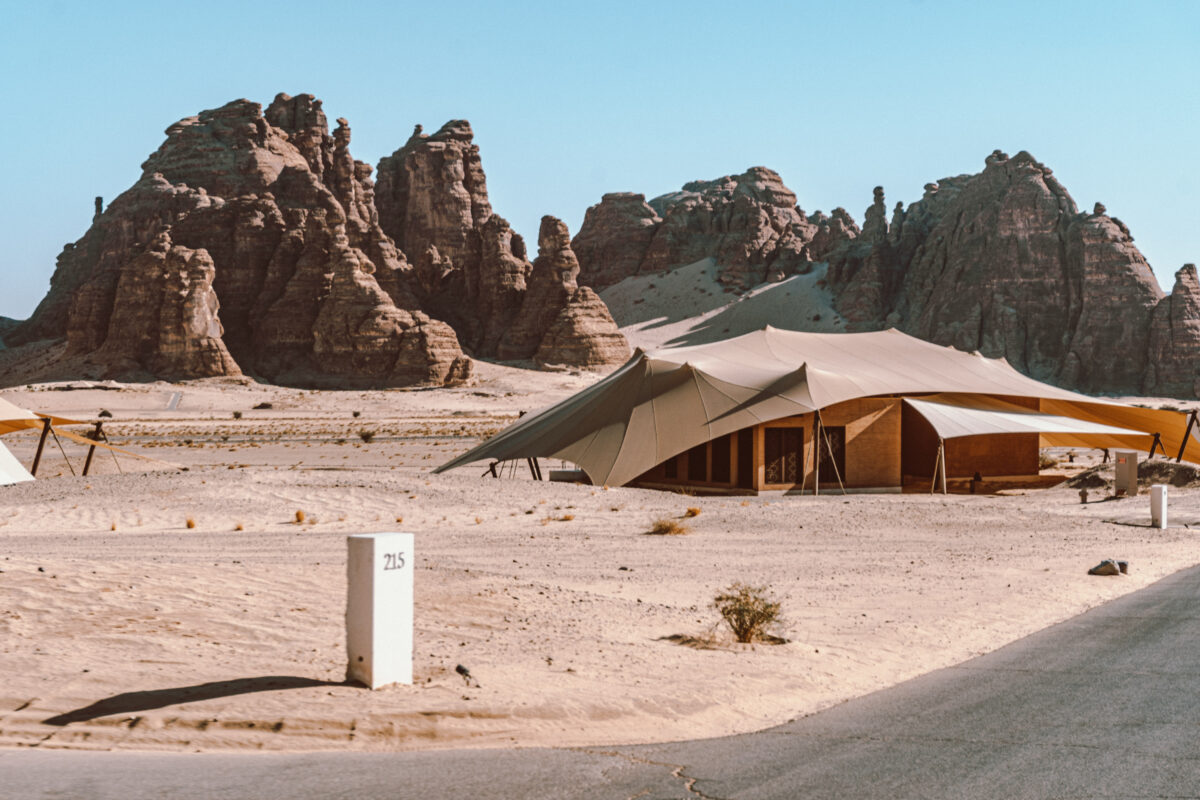
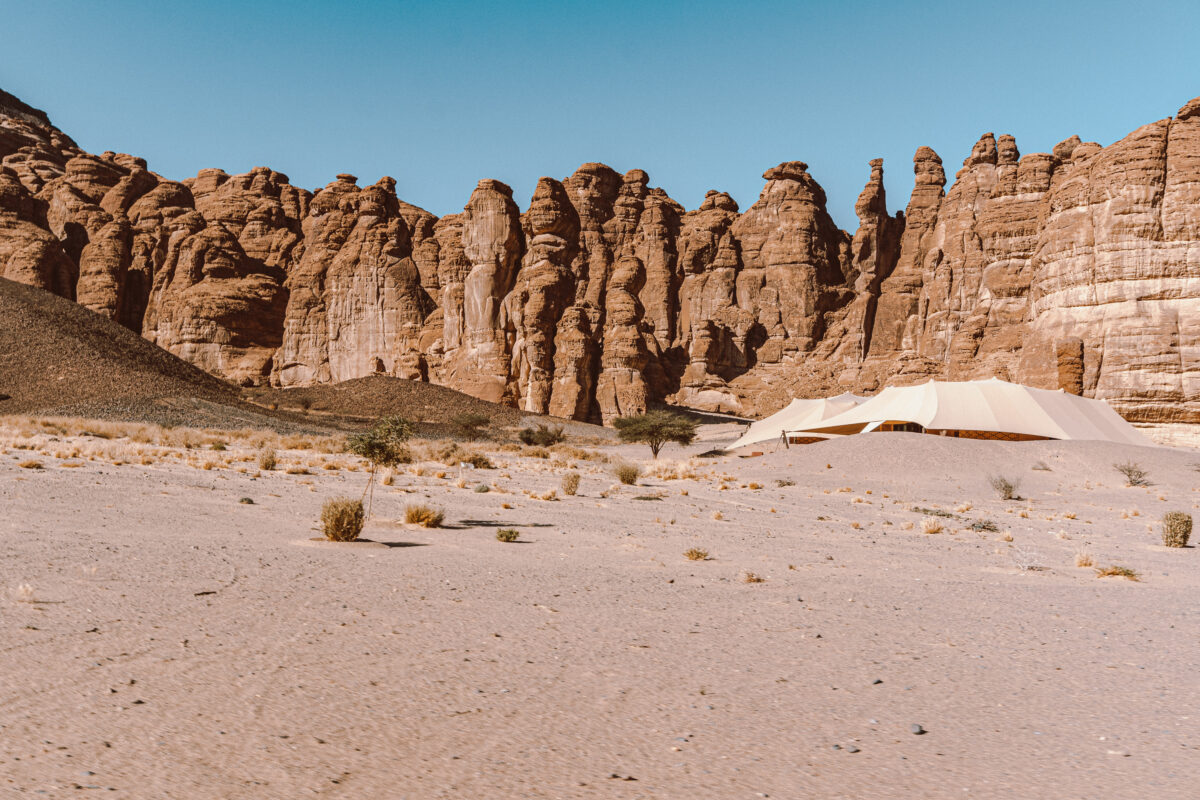
We were not mistaken and definitely picked the most luxurious resort after visiting all the other properties. The Banyan Tree picked one of the most picturesque spots in the Ashar Valley. Its 50 luxury villas are perfectly located to take advantage of the stunning Wadi-rum like views.
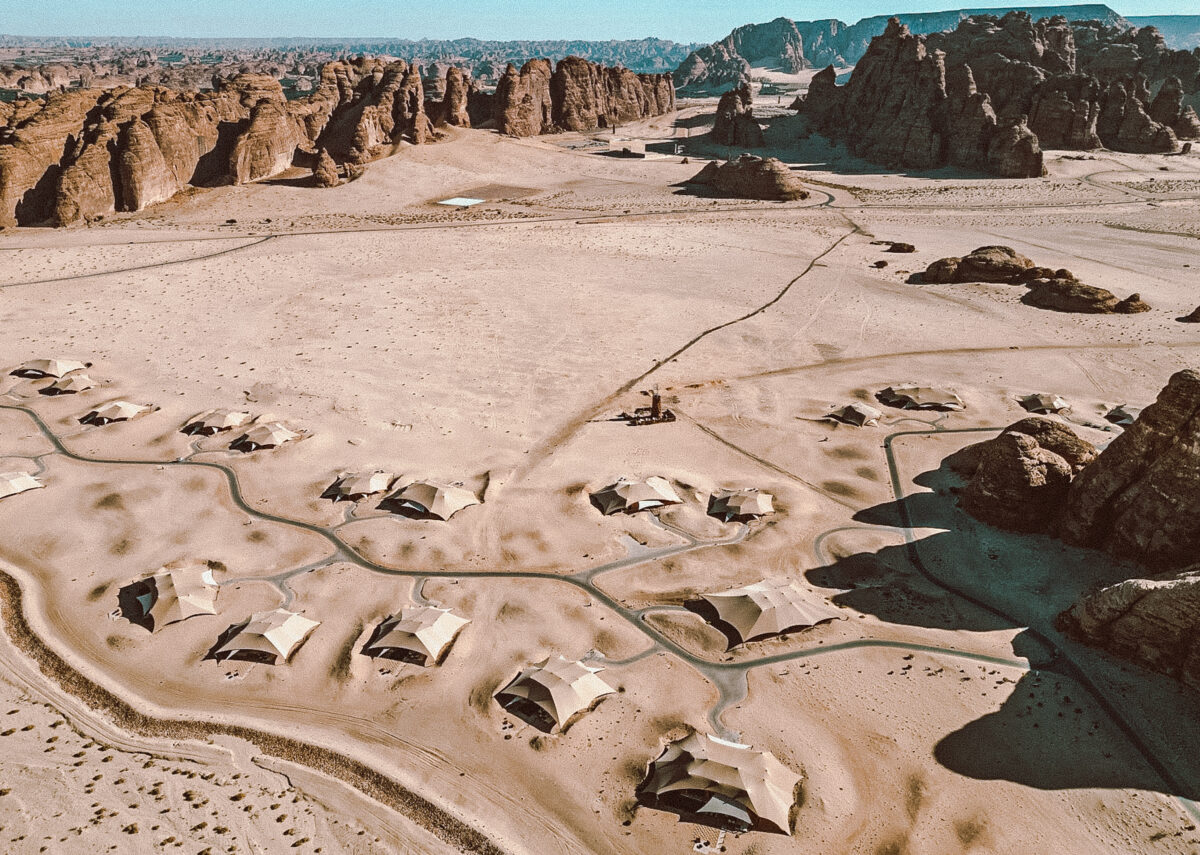
We stayed here for two nights and absolutely loved the location and stunning natural beauty. The service was slightly lacking for a place of this price range but ultimately we loved our stay as it was pure luxury.
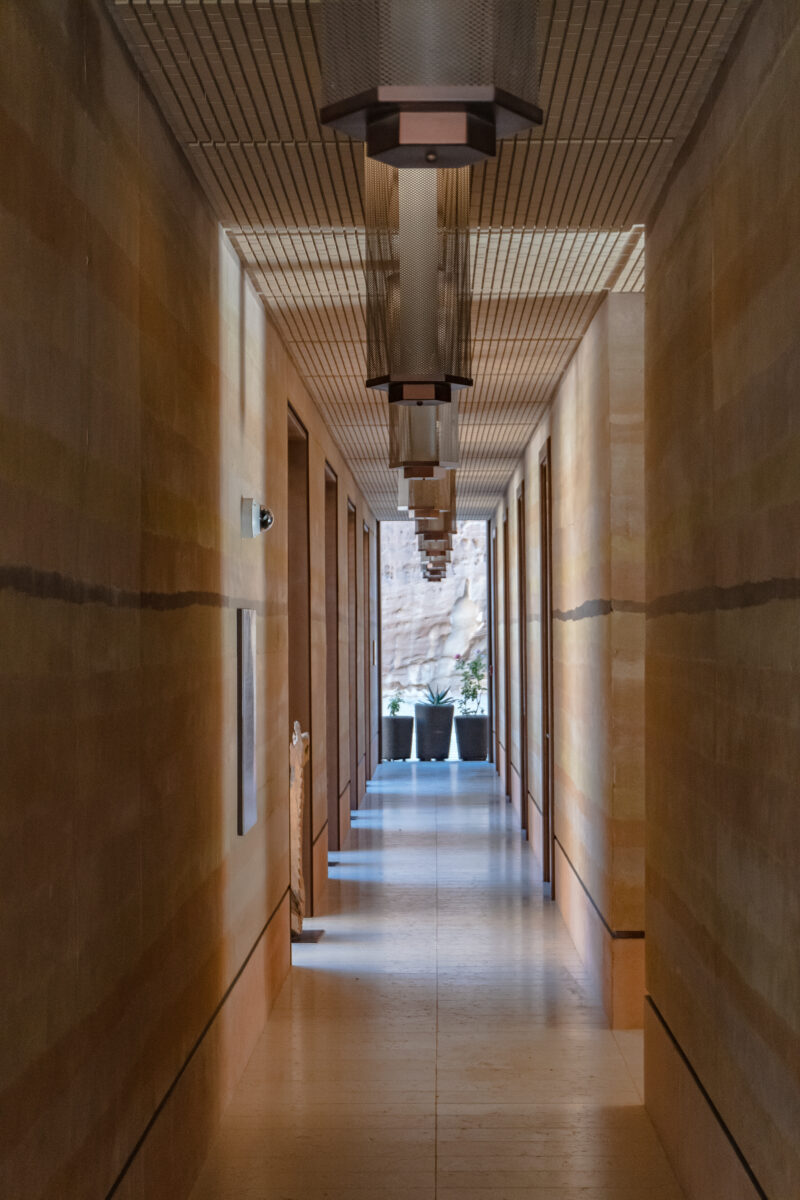
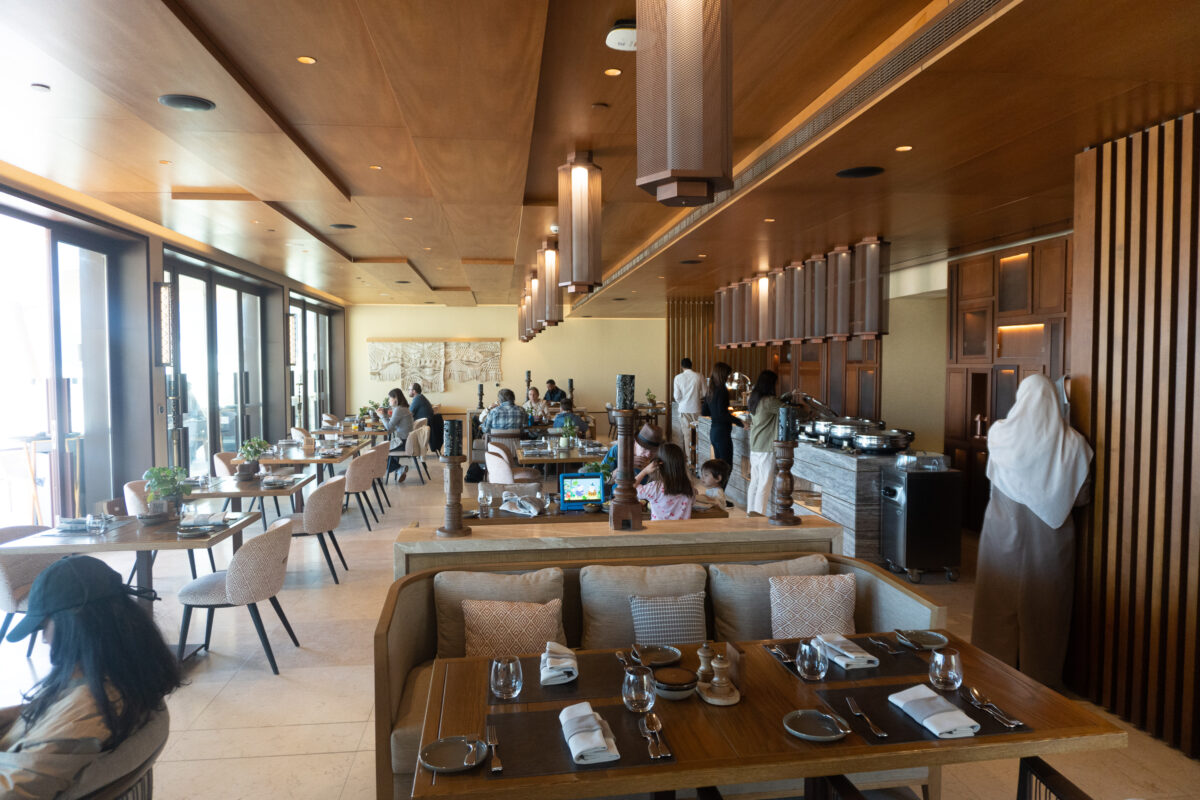
The Rooms
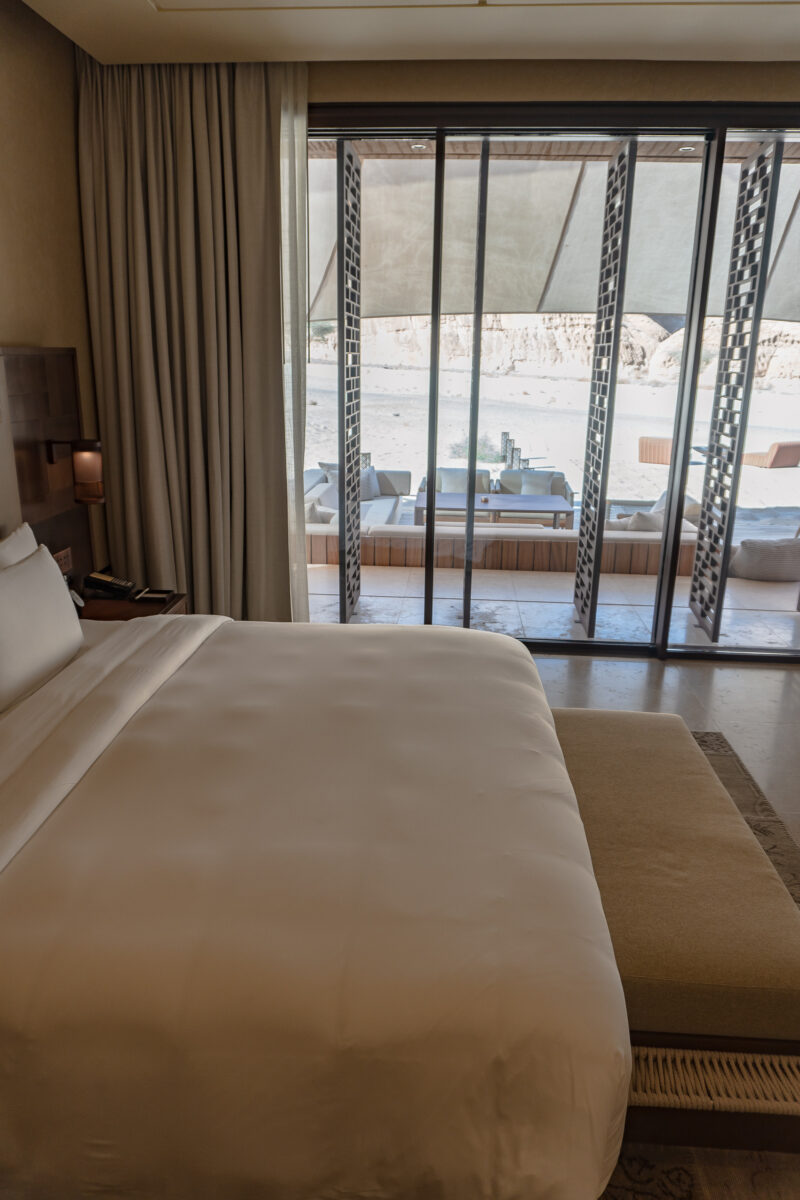
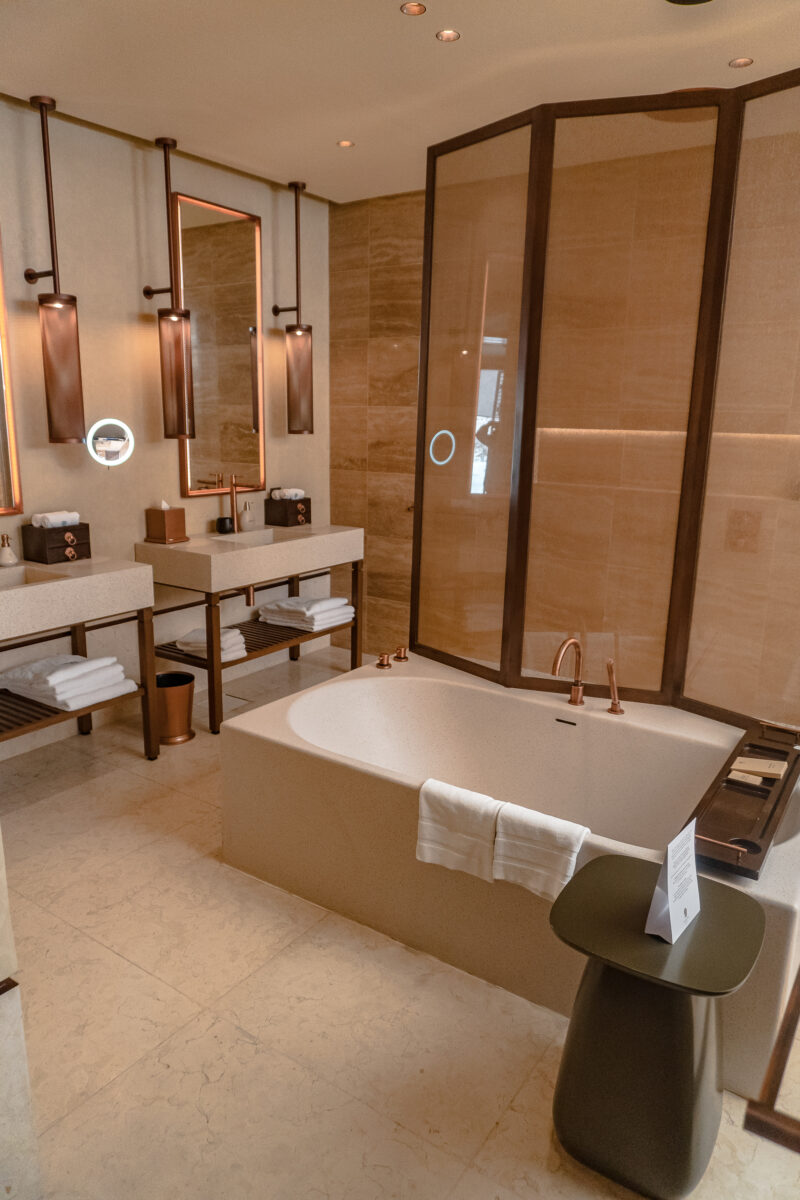
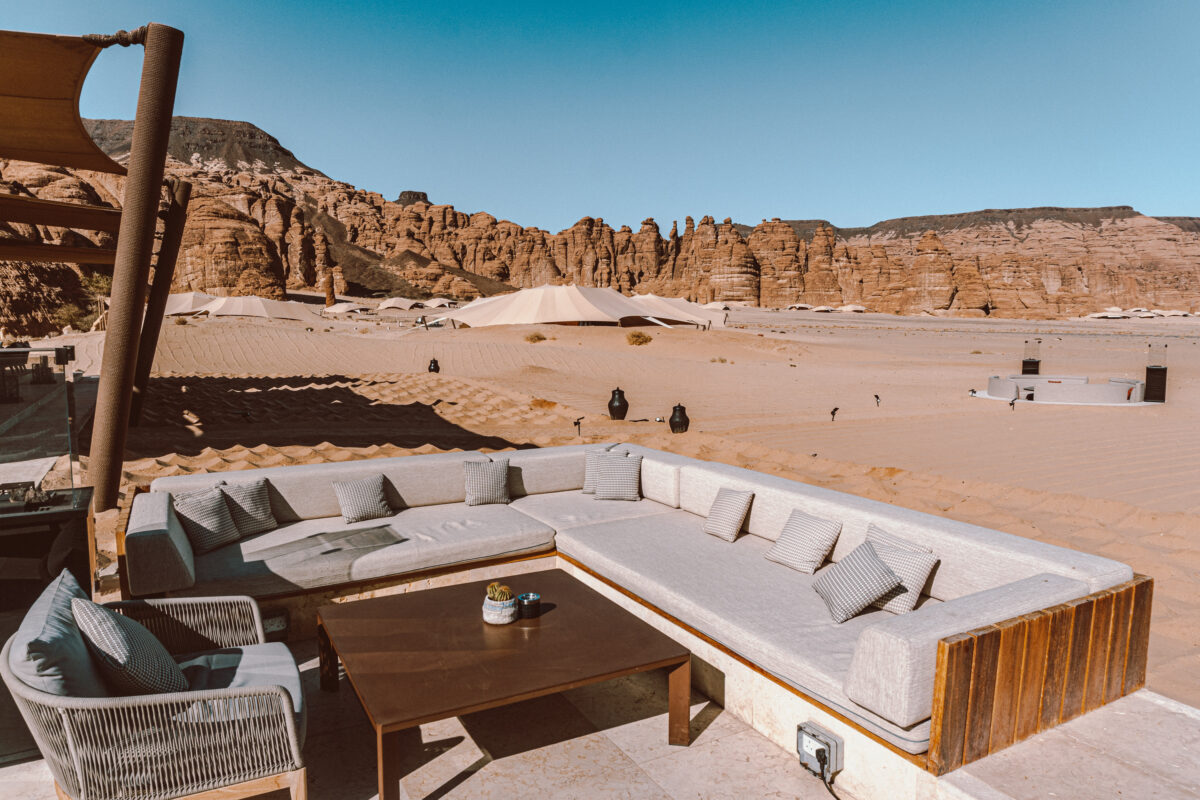
The villas are spacious, private, and beautifully designed with natural tones that reflect the surrounding desert. Canvas walls, stone textures, and carefully chosen furnishings create a refined but relaxed atmosphere. Floor to ceiling windows frame the rock formations and sand dunes beyond, making the landscape feel like an extension of the room itself. The bed was exceptionally comfortable, and the overall layout encouraged rest and privacy. Many villas include private plunge pools and outdoor terraces, which further elevate the sense of seclusion. Attention to detail was evident throughout, from lighting to bathroom amenities, making the villa feel both luxurious and functional.
Common Areas, Spa, and Rock Pool
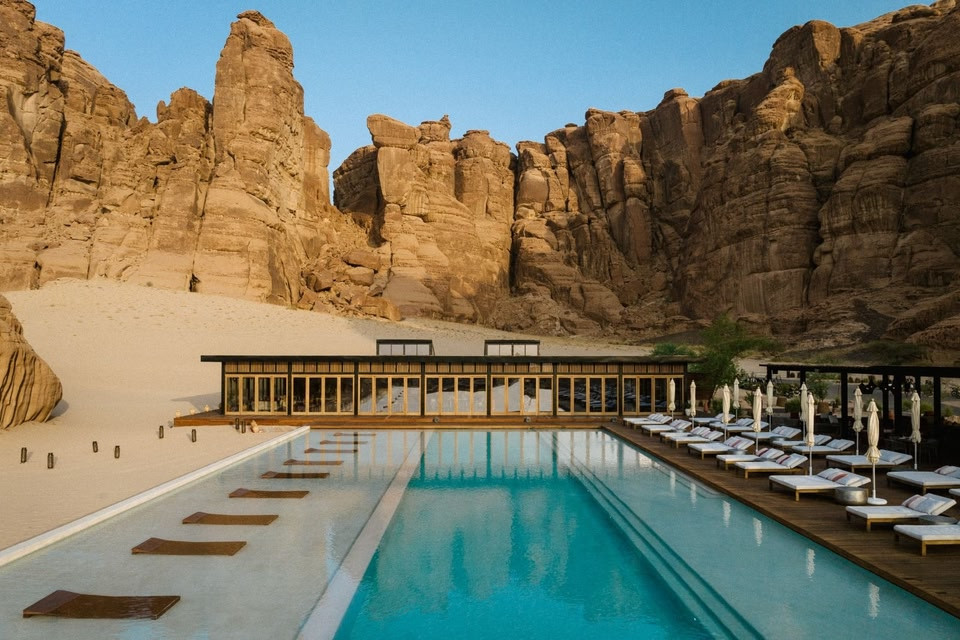
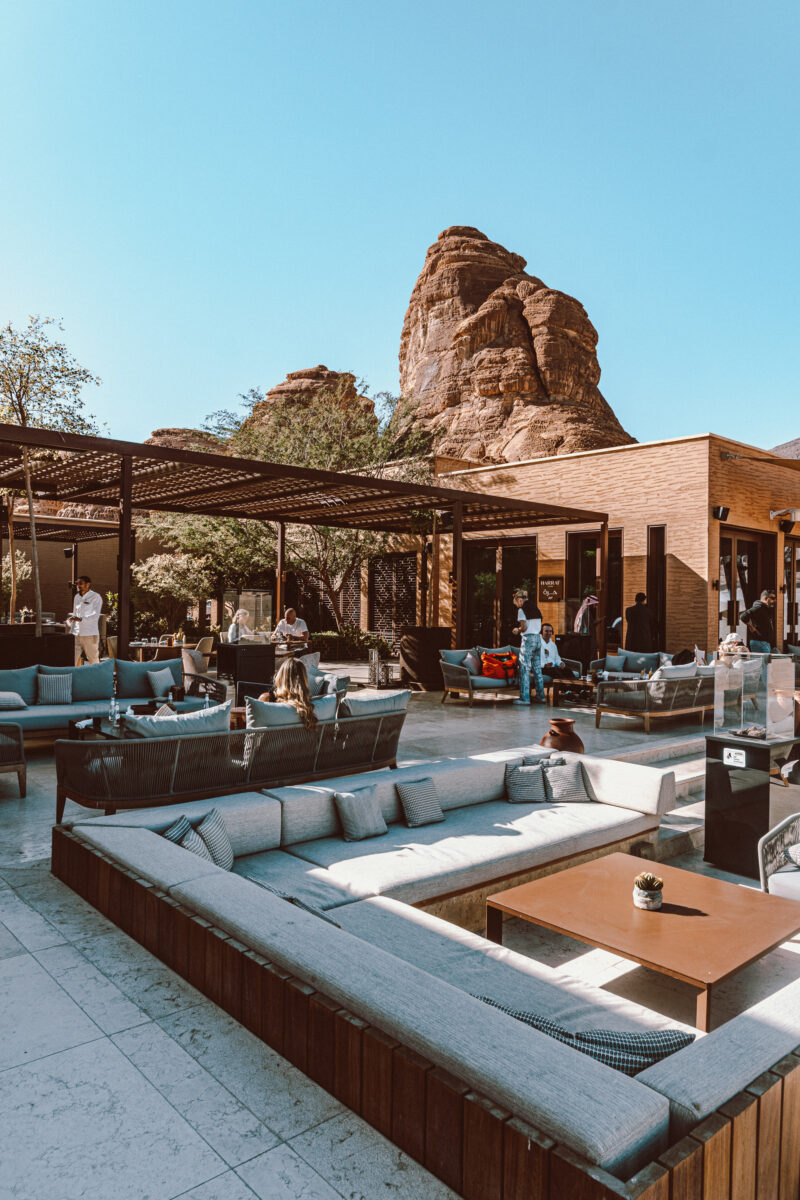
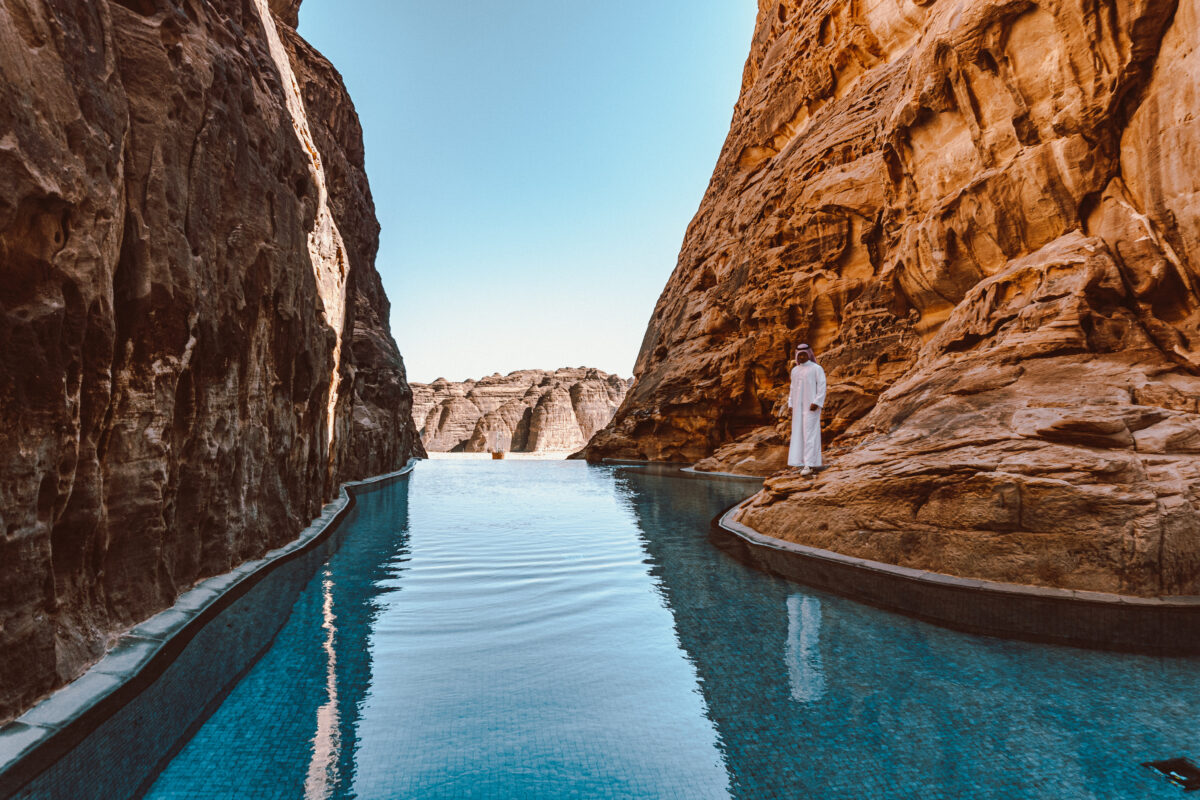
The common areas are understated yet elegant, allowing the landscape to remain the focal point. The spa is a standout feature, offering a serene environment with treatments that emphasize wellness and relaxation. One of the most iconic areas of the property is the rock pool, carved into the surrounding canyon. This adults only pool is both visually striking and deeply tranquil, offering sweeping views of the valley while providing a peaceful space to unwind. It is one of the defining experiences of the resort and a highlight of the stay.
The Views
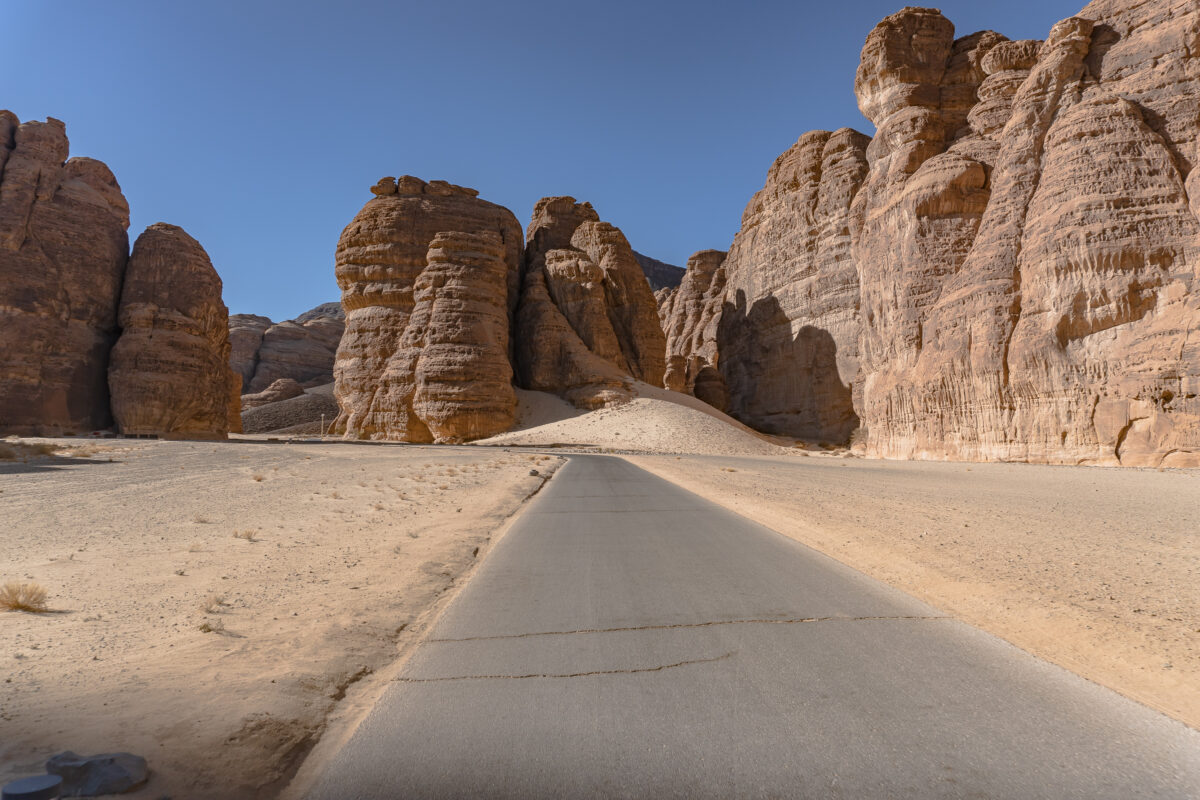
The views at Banyan Tree AlUla are nothing short of spectacular. From nearly every corner of the property, you are surrounded by towering sandstone formations and open desert skies. Sunrise and sunset are particularly striking, with shifting light and color transforming the valley throughout the day. Whether viewed from the villa, the pool, or the dining areas, the scenery consistently reinforces the sense of being somewhere truly special.
The Restaurant and Dining
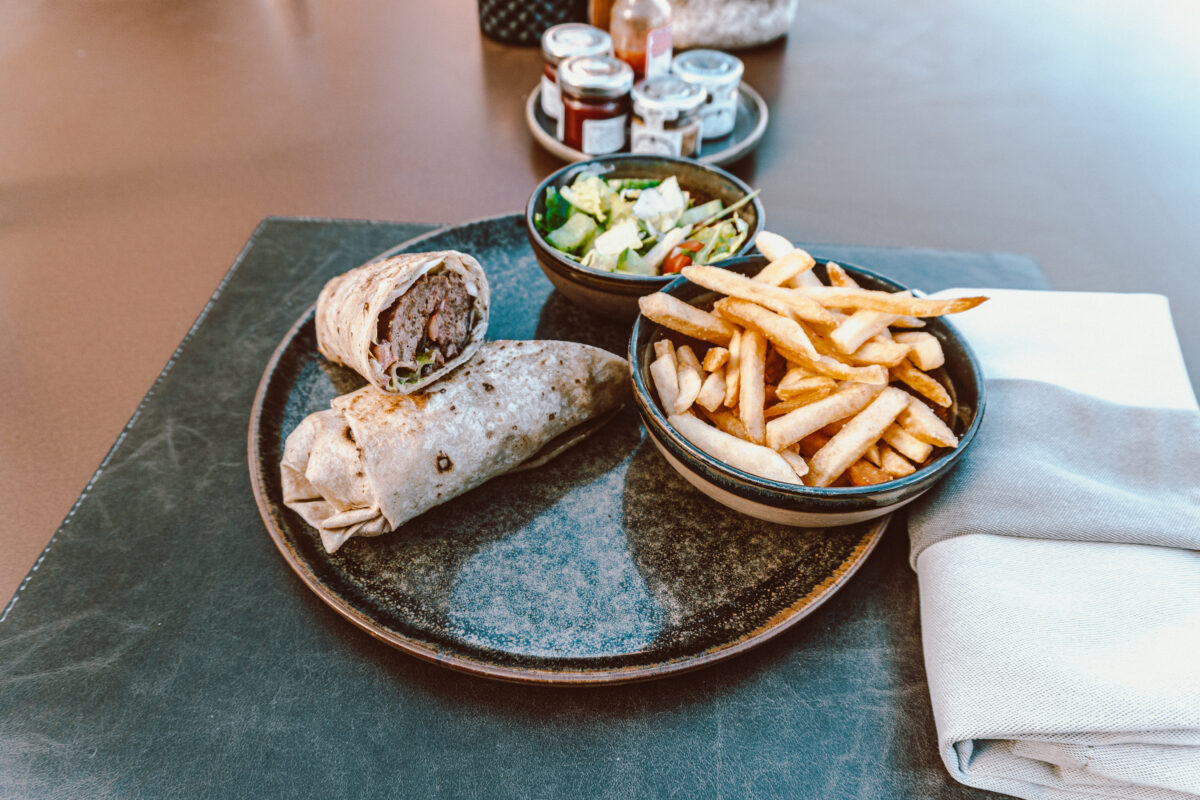
Dining at the resort is refined and thoughtfully executed. Breakfast is included in the room rate, which is a welcome inclusion given the overall pricing level. The breakfast offering is generous and well curated, with a mix of international and regional options served in a relaxed setting overlooking the valley. For lunch and dinner, prices are on the higher end, as expected for a luxury resort of this caliber. Main dishes are typically priced around 200 SAR, reflecting both the setting and the quality of ingredients. While alcohol is not served, the selection of mocktails and fresh juices is creative and well presented.
Our Habitas vs Banyan Tree
Neighboring 5* resort Our Habitas is another popular option. They both share the same location in the Ashar Valley and the Habitas has their famous pool overlooking the valley. Overall, I felt like Banyan Tree was more luxurious especially given the similar price points.
Banyan Tree is at a higher price point than Our Habitas and it shows. I felt that Banyan Tree felt like true luxury whereas Our Habitas was more boutique luxury. Our Habitas is located in a canyon whereas Banyan Tree is located in the open desert with the entire Ashar valley in front.
The villas at the Banyan are also twice the size of Our Habitas and overall felt more luxurious. We did spend one evening eating at the Habitas restaurant which is located right next to their famous pool. The rock pool at the Banyan tree is equally as stunning but only receives sun during the summer months as it is located between two cliffs.
How long should I spend in AlUla
I was pleasantly surprised with my visit to AlUla. In total, I spent 4 nights there broken down as such:
Day 1: Land in AlUla, go to Elephant Rock for sunset and then dinner in the old town. Stay near to AlUla old town.
Day 2: Morning breakfast in AlUla old town, check into Banyan Tree hotel. Visit the Maraya for photos.
Day 3: Full day in Banyan Tree hotel to enjoy the amenities. Visit to Our Habitas to see the famous pool
Day 4: Check out of Banyan Tree. Drive to Shalal Cafe followed by Hegra tour. Dinner in AlUla old town. Stay the night near the old town.
Day 5: Fly out in the morning to Riyadh
Because I stayed two nights at the Banyan tree, I wanted to spend those two nights enjoying that luxury hotel without being rushed to the sights. If I did not plan my trip around such an expensive stay, I think 3 nights is enough. I actually enjoyed going to the old town on numerous occasion.