



Japan stretches more than 3,000 kilometers, from Hokkaido’s snow-covered peaks to Okinawa’s turquoise reefs. Across this long, beautiful arc lie 34 national parks — each offering an experience that feels both wild and deeply harmonious.

For families, these parks are not just scenic stops but immersive adventures where children can explore volcanoes, splash in hot springs, meet wildlife, and feel Japan’s unique bond with nature. Here are seven parks that combine accessibility, comfort, and breathtaking scenery — perfect for unforgettable family journeys.
Keramashoto National Park — Okinawa’s Coral Wonderland
Just forty minutes by ferry from capital of Okinawa – Naha, Keramashoto (慶良間諸島) is a paradise for families who love the sea. The water here, known as “Kerama Blue,” is among the clearest in Japan. Snorkeling reveals clownfish and sea turtles, and from January to March, whale-watching cruises give visitors the chance to spot humpbacks and their calves.
Practical details:
Ferries run several times daily, costing around ¥3,200–¥4,000 one way. Beaches are open year-round, with lifeguards on duty in summer. Accommodations on Tokashiki or Zamami Islands are limited, so booking early is essential.
Tip from the Itinerary Expert:
Bring your own snorkeling masks for children — rental options can be basic. The best time to visit is between April and October, when the sea is warm and calm.
Downside:
Wi-Fi and mobile signals can be weak — an excellent excuse to unplug and enjoy the moment.
Fuji-Hakone-Izu National Park — Where the Family Meets Mount Fuji
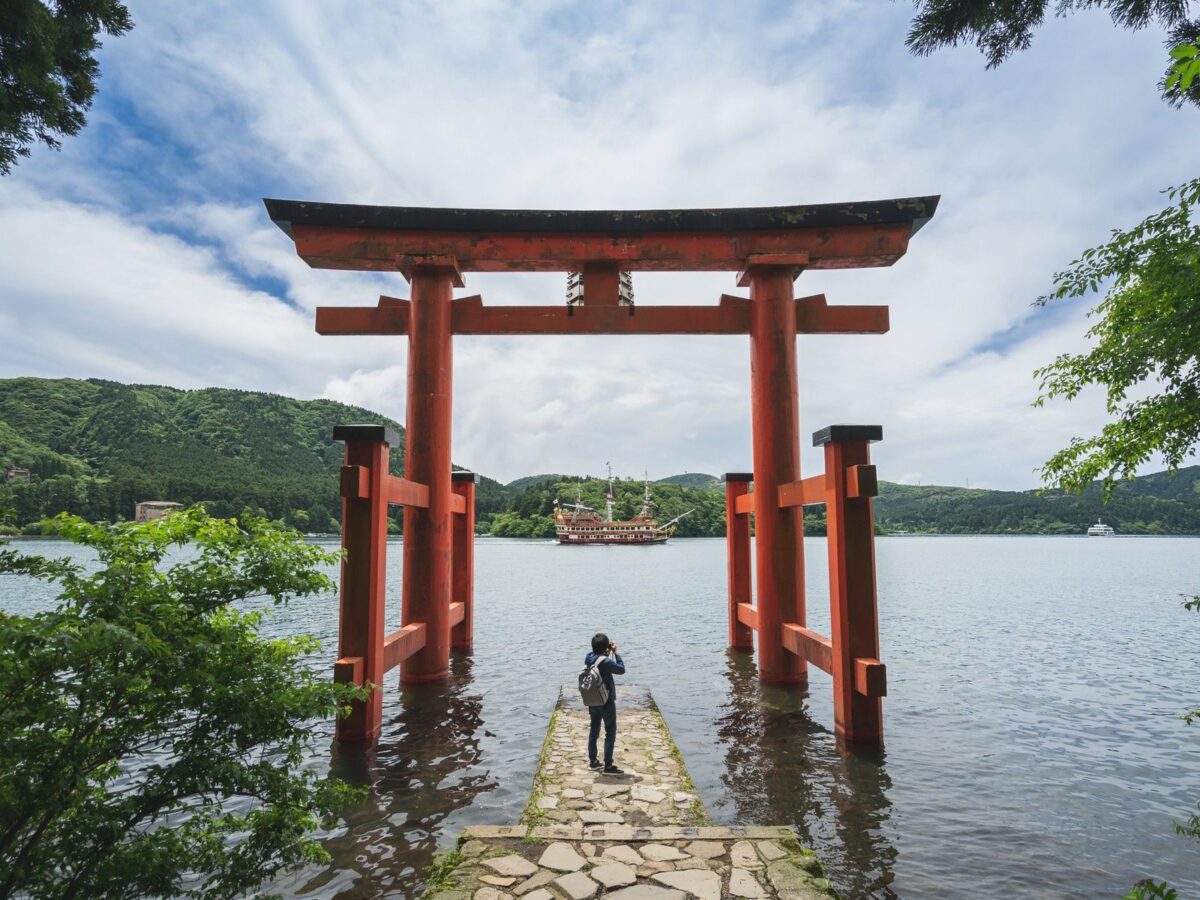
Few sights captivate children and adults alike quite like the perfect cone of Mount Fuji (富士山). For families exploring Japan with kids, this vast national park offers a perfect blend of adventure and relaxation — with volcanoes, lakes, and coastlines all within a two-hour drive from Tokyo. Ride a ropeway over Lake Ashinoko, explore steaming volcanic valleys, or unwind in Hakone’s famed hot springs while admiring Fuji mirrored on the water.

Practical details:
The park spans Shizuoka, Kanagawa, Yamanashi, and Tokyo Prefectures. Entry is free, while ropeways and onsen visits typically cost around ¥1,500–¥2,500 per person. The Fuji Five Lakes area is about two hours from Tokyo by train or 1.5 hours by car.
Tip from the Itinerary Expert:
Stay overnight near Lake Kawaguchiko. Sunrise views of Mount Fuji are unforgettable, and many family-friendly ryokans offer private hot-spring baths — a perfect treat after a full day outdoors.
Downside:
Summer traffic can be heavy. Renting a car helps you reach quieter shores like Saiko and Shojiko for calmer views and fewer crowds.
Daisetsuzan National Park — The Roof of Hokkaido
For families who love hiking and fresh mountain air, Daisetsuzan (大雪山) is pure magic. It’s Japan’s largest national park — a wilderness of volcanoes, alpine meadows, and steaming valleys. The Asahidake Ropeway lifts visitors above the clouds, where kids can stroll along easy trails lined with wildflowers in summer or glowing autumn leaves in October.

Practical details:
Located about 2.5 hours from Tokyo by flight and car (via Asahikawa Airport). Accommodation in Asahidake Onsen ranges from simple lodges to family resorts. Entrance is free. Even in August, temperatures stay cool — bring warm clothes.
Tip from the Itinerary Expert:
Visit between July and September for comfortable hikes, or in October for breathtaking autumn colors. Always pack rain gear — Hokkaido’s weather can shift quickly.
Downside:
Dining options in mountain areas are limited. Stock up on snacks and drinks before entering the park.
Nikko National Park — Where Nature Meets Culture
Just two hours north of Tokyo, Nikkō (日光) blends sacred architecture with mountain beauty. While its ornate Toshogu Shrine is a must-see, families will find the surrounding nature equally rewarding — stroll along Lake Chuzenji (中禅寺湖), admire the 97-meter-high Kegon Falls (華厳滝), or relax in the hot springs of Kinugawa. In autumn, Nikko’s forests blaze with red and gold leaves, creating the perfect setting for family photos.
Practical details:
Accessible by train from Tokyo’s Asakusa Station in around two hours. Entry to Toshogu Shrine costs ¥1,300; the national park itself is free.
Tip from the Itinerary Expert:
If traveling with kids, spend one night in a ryokan with an onsen bath — children usually love the experience. Visit early in the morning to avoid weekend crowds.
Downside:
Parking near Kegon Falls and Lake Chuzenji is limited. It’s better to arrive by public transport or before 9 AM if driving.
Aso-Kuju National Park — Japan’s Living Volcano
In the heart of Kyushu lies Aso-Kuju (阿蘇くじゅう), home to the world’s largest volcanic caldera and one of Japan’s most active craters. The landscape feels otherworldly — vast green plains framed by smoking peaks. Families can ride horses across the grasslands or take the ropeway up to the Nakadake Crater (中岳火口) for dramatic views, depending on volcanic activity.
Practical details:
Easily reached from Kumamoto or Beppu by train and bus (2–3 hours). The ropeway to the crater costs about ¥1,200 per person. Entry to the park is free.
Tip from the Itinerary Expert:
Bring masks or scarves — the wind sometimes carries volcanic dust. Spend a night near Aso Onsen, where many hotels include dinner featuring local beef and other regional dishes.
Downside:
Crater access occasionally closes for safety reasons. Always check current conditions before your visit.