


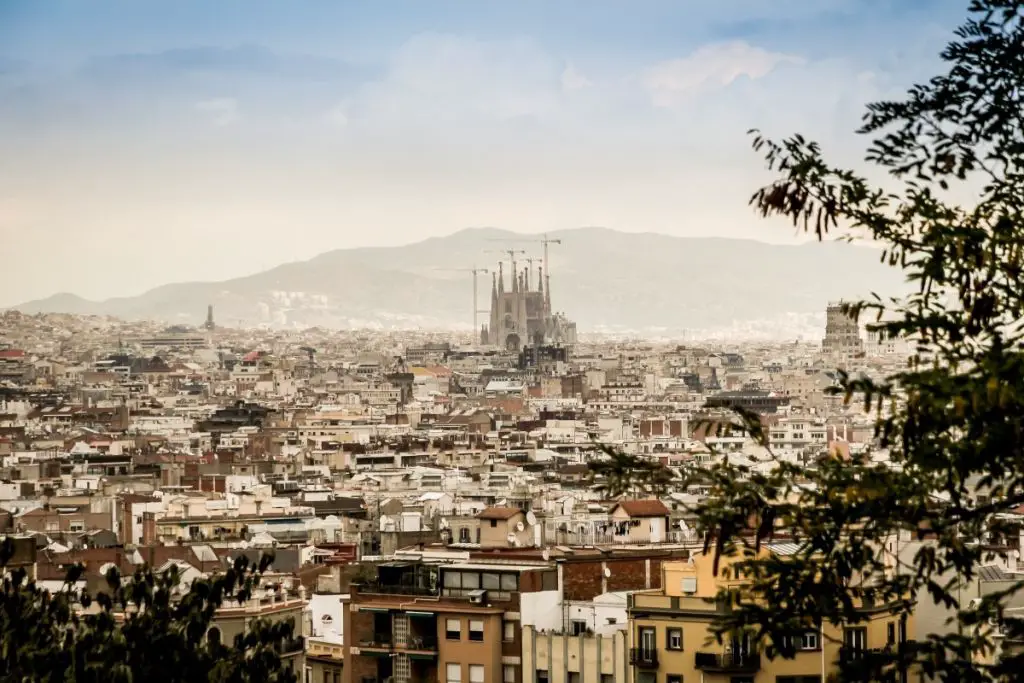

Spain doesn’t advertise itself loudly as a big game destination—and that’s exactly why seasoned hunters pay attention. This is a country where ancient migration routes cut through limestone mountains, where red deer move through oak forests shaped by centuries of stewardship, and where hunting is regulated with a seriousness that reflects deep cultural roots.
For international hunters, hunting in Spain offers something rare: wild landscapes paired with precise logistics, strong conservation frameworks, and access to species found nowhere else on earth. But Spain hunting isn’t a casual undertaking. Success here depends on preparation, local knowledge, and a clear understanding of how the system works.
This guide lays out what experienced hunters should know before planning a big game hunting trip to Spain—from species and terrain to permits, seasons, and ethical expectations.
Why Spain Belongs on the Serious Hunter’s Map
Spain sits at the crossroads of Europe, Africa, and the Atlantic, and that geography shows in its wildlife. Mountain ranges isolate subspecies. Climate zones shift dramatically within a few hours’ drive. Hunting concessions range from vast private estates to rugged public mountain ground where access is earned step by step.
Unlike destinations built around volume, Spain emphasizes selective, regulated harvest. Quotas are strict. Game management plans are enforced. Outfitters work closely with biologists and regional authorities to maintain balance between habitat, herd health, and hunting pressure.
For international sportsmen, this creates a hunt that feels intentional. You’re not just passing through—you’re stepping into a system that’s been refined over generations.
Spain’s Iconic Big Game Species
Spanish Ibex: The Crown of the Mountains
The Spanish ibex is Spain’s most iconic big game animal and one of Europe’s most challenging mountain hunts. Endemic to the Iberian Peninsula, the ibex occupies steep, broken terrain where footing matters as much as marksmanship.
There are four recognized subspecies:
- Gredos ibex
- Beceite ibex
- Southeastern ibex
- Ronda ibex
Each lives in distinct regions, often separated by significant geography. Pursuing multiple ibex types means traveling across Spain’s mountain systems—from granite massifs to Mediterranean limestone cliffs.
Ibex hunting is spot-and-stalk by necessity. Long glassing sessions, aggressive elevation changes, and unpredictable wind are part of the day. This is a wild hunt in the truest sense—earned step by step.
Red Deer: Spain’s Ancient Stag
Spain’s Iberian red deer are genetically distinct from their northern European cousins. Heavier-bodied with dark, sweeping antlers, they thrive in dehesa landscapes—open oak woodlands managed for centuries through low-impact agriculture and hunting.
The autumn montería tradition is famous, but international hunters should understand that Spain offers multiple formats:
- Fully guided spot-and-stalk
- Selective management hunts
- Traditional driven hunts (highly regulated and invitation-based)
For hunters focused on ethics and experience, selective stalking offers a quieter, more deliberate way to engage with Spain’s red deer culture.
Fallow Deer, Roe Deer, and Mouflon
Beyond headline species, Spain supports healthy populations of:
- Fallow deer in wooded lowlands
- Roe deer in northern regions
- Mouflon in select mountainous areas
Each species requires different tactics and timing. Roe deer, for example, demand patience and precise shot placement, while mouflon often test a hunter’s endurance and navigation skills in exposed terrain.
Together, they make Spain hunting surprisingly diverse within a compact geography.
Terrain: What the Ground Really Demands
Spain’s hunting terrain is not uniform—and that’s where preparation matters.
You’ll encounter:
- Alpine ridges above 7,000 feet
- Mediterranean scrub that limits visibility
- Rolling oak savannas with long shooting lanes
- Deep ravines that trap wind and scent
Footwear, optics, and physical conditioning aren’t optional details here. A Spanish mountain hunt can feel closer to Central Asia than Western Europe. Hunters who arrive expecting a managed park experience are often caught off guard.
Global Hunting Solutions approaches Spain as it should be approached: terrain-first planning. Every hunt is built around where the animals live, not where it’s easiest to walk.
Seasons and Timing: Precision Matters
Spain’s hunting seasons are set regionally, not nationally. This means dates can shift depending on species and location.
General timing looks like this:
- Spanish ibex: Late fall through spring (varies by subspecies)
- Red deer: Autumn rut months
- Roe deer: Spring and summer windows
Because quotas are limited, high-demand periods book early—often a year or more in advance. Hunters serious about Spain hunting should plan well ahead, especially if pursuing specific ibex subspecies.
Licenses, Firearms, and Import Rules
Spain is meticulous about firearms—and that’s a good thing.
International hunters must:
- Obtain a temporary Spanish hunting license
- Secure a firearms import permit in advance
- Travel with properly documented rifles and ammunition
The process isn’t difficult, but it must be handled correctly. Mistakes cause delays, confiscations, or missed hunting days.
Many hunters choose to use outfitter-provided rifles to simplify travel. High-quality European rifles and optics are widely available and well-maintained.
Conservation and Ethics: How Spain Does It Differently
Spain’s hunting model is rooted in conservation funding and land stewardship. Revenue from hunting supports:
- Habitat restoration
- Anti-poaching enforcement
- Population monitoring
- Rural economies that depend on wildlife
Animals are harvested under strict age and health criteria. This isn’t about excess—it’s about balance.
For hunters who care about legacy, Spain offers reassurance. The system works because it respects the resource. Ethical big game hunting here is not a slogan; it’s enforced.
Travel Logistics: What International Hunters Should Expect
Spain is one of Europe’s easiest countries to navigate, but hunting travel still requires planning.
Expect:
- International flights into Madrid, Barcelona, or Málaga
- Several hours of ground transport to hunting areas
- Comfortable rural lodges or historic estates
- Local cuisine built around game, olive oil, and regional wines
Spain’s infrastructure allows hunters to move efficiently without sacrificing immersion. You’re close to civilization—but once you step into the mountains, the hunt feels far removed.
Why Spain Works for Experienced Hunters
Spain doesn’t need to be sold. It reveals itself to hunters who value:
- Skill over spectacle
- Preparation over impulse
- Conservation over excess
A wild hunt here tests judgment, patience, and physical readiness. The reward isn’t just an animal—it’s walking ground shaped by history, guided by people who know it intimately.
Choosing the Right Partner Matters
Spain’s regulations, regional differences, and terrain complexity mean this isn’t a destination to navigate alone.
A qualified outfitter ensures:
- Legal compliance across regions
- Ethical animal selection
- Safety in demanding terrain
- Seamless coordination from airport to field
Final Thoughts
Big game hunting in Spain rewards hunters who arrive prepared, informed, and respectful of the land. It’s a destination that doesn’t rush you—and doesn’t forgive shortcuts.
For international hunters seeking depth, challenge, and authenticity, Spain stands quietly among the world’s most compelling hunting landscapes.
Choose the right season. Choose the right ground. Choose partners who understand the difference between a hunt and an experience.